
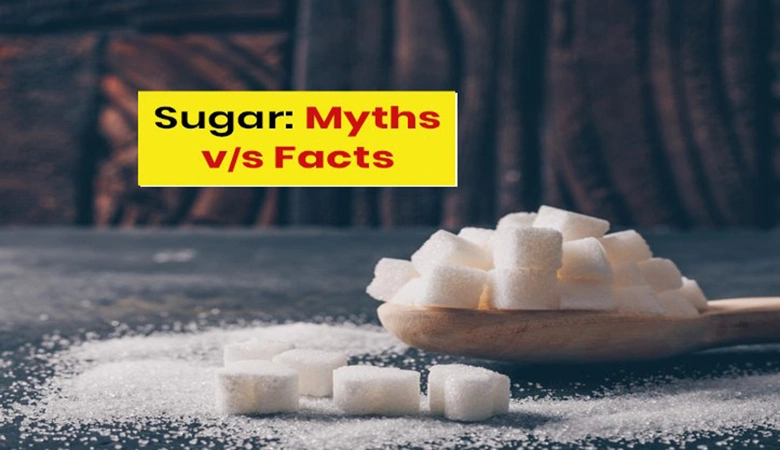

Myth: All Sugar Is Bad for You
Fact: Sugar isn’t inherently evil. In fact, naturally occurring sugars—like those in fruits, vegetables, and dairy—come packed with fiber, vitamins, and minerals that support overall health. The real problem lies in added sugars, which are introduced during processing to enhance flavor and shelf life. These offer calories with little to no nutritional value and can contribute to health issues when consumed in excess.
Myth: You Have to Cut Out Sugar Completely
Fact: Total elimination isn’t necessary for most people. The key is moderation. Your body actually needs glucose (a simple sugar) as its primary energy source. Rather than obsessing over avoiding sugar completely, aim to minimize added sugars and prioritize whole food sources that offer natural sweetness and nutrition.

Myth: Natural Sugars Like Honey or Coconut Sugar Are Healthier
Fact: While honey, maple syrup, and coconut sugar may sound more wholesome, your body processes them much like regular sugar. These options do contain small amounts of antioxidants or minerals, but they still raise blood sugar and should be used in moderation. Don’t let “natural” fool you into thinking it’s a free pass.

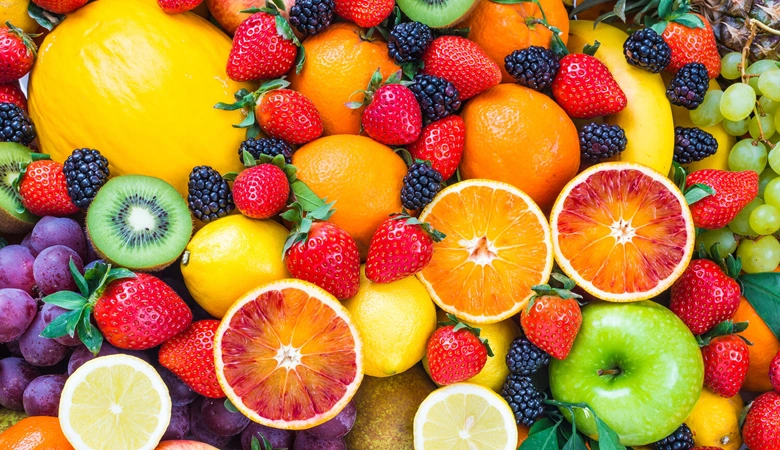
Myth: Fruit Has Too Much Sugar
Fact: Yes, fruit contains sugar, but it also comes with fiber, water, and essential nutrients, which slow the absorption of sugar and keep your blood sugar more stable. Whole fruits are vastly different from fruit juices or dried fruits with added sugars. So unless you’re on a specific medical diet, there’s no need to fear fruit.
Myth: “Sugar-Free” Means Healthy
Fact: Many products labeled “sugar-free” rely on artificial sweeteners or sugar alcohols, which can sometimes cause digestive issues or alter your taste preferences. While these alternatives may help reduce sugar intake, they don't automatically make a food healthy—especially if it's still processed or full of unhealthy fats and additives.

Myth: You Can Spot Sugar Easily on Labels
Fact: Sugar hides behind dozens of different names on ingredient lists. Terms like sucrose, high-fructose corn syrup, dextrose, cane juice, maltose, and agave nectar are all forms of sugar. To make healthier choices, it’s important to read nutrition labels and check the amount of added sugars—which is now a required line item on most packaged foods.
Myth: Sugar Is as Addictive as Drugs
Fact: The idea that sugar is “addictive like cocaine” is often exaggerated. While sugar does activate pleasure centers in the brain, it doesn't create a true dependency in the same way drugs do. That said, consistently consuming high levels of sugar can form habits that are hard to break and may lead to overeating or cravings.

Myth: Carbs Are the Same as Sugar
Fact: All sugars are carbohydrates, but not all carbs are sugars. Whole grains, legumes, and vegetables are also carbs, but they contain complex carbohydrates that break down slowly and provide sustained energy. Confusing the two can lead to unnecessary restriction of healthy, fiber-rich foods.
The Real Takeaway: It’s About Balance
Understanding sugar means letting go of extremes. You don’t have to banish it from your life, but you should be mindful of how much added sugar you’re consuming. Focus on whole foods, cook more meals at home, and treat sugar like a guest—not a daily resident. When you’re informed, you’re empowered to make better decisions without guilt or fear.