
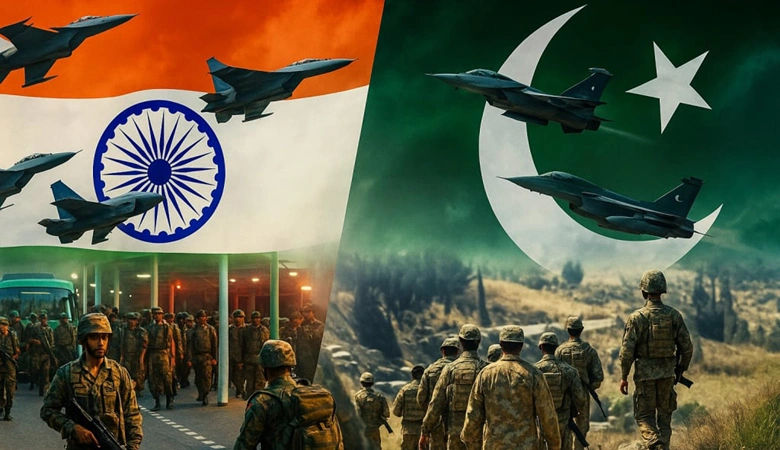

Nationalism Ignited on Both Sides
In both New Delhi and Islamabad, the war has triggered a surge in nationalist sentiment. Political leaders, facing internal pressures, have seized the conflict as a moment to galvanize support. For India's ruling party, the war presents an opportunity to reinforce a tough-on-security image. In Pakistan, the military establishment has reasserted its central role, portraying itself as the nation’s guardian against external aggression.
This nationalistic fervor has short-term political advantages but risks undermining long-term stability. Leaders who frame the war as a matter of national honor may find it politically difficult to de-escalate, even when diplomacy becomes necessary.
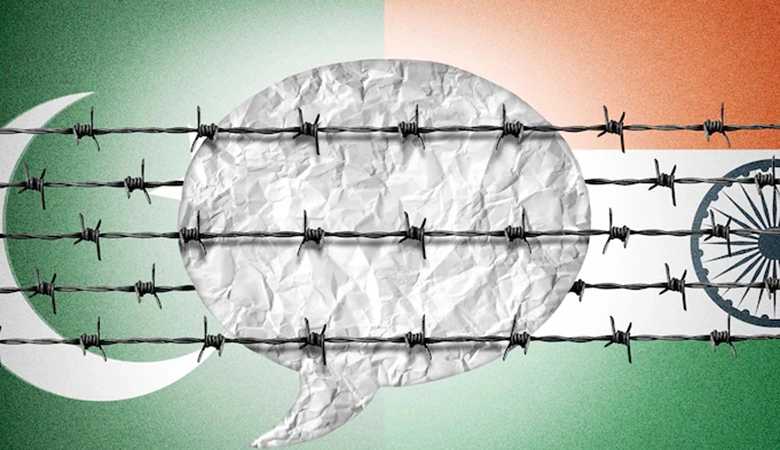
Political Dividends and Democratic Strain
Wartime typically rallies citizens around their governments, and this case is no exception. In India, public discourse has grown increasingly polarized, with criticism of the war effort labeled unpatriotic. In Pakistan, the civilian government has ceded much of the strategic decision-making to the military, reinforcing patterns of civilian-military imbalance.
Both democracies are experiencing strain under the pressure of conflict. Freedom of the press, dissent, and parliamentary debate have narrowed. The war has provided political capital to ruling factions—but at the cost of institutional health.
Regional Repercussions and Strategic Realignments
Beyond the immediate combat zone, the war has reshaped regional alliances and strategic calculations. Neighboring countries such as China, Afghanistan, and Iran are recalibrating their foreign policies in response to the destabilization of South Asia. China, an ally of Pakistan and a trading partner of India, faces a delicate balancing act.
Meanwhile, regional organizations like SAARC (South Asian Association for Regional Cooperation), already weakened, now face further paralysis. The war has pushed South Asia further away from regional integration and deeper into fragmentation.
Global Diplomacy Under Pressure
The international community has been quick to call for restraint, but global diplomacy remains reactive rather than proactive. The United Nations has issued appeals, while global powers like the United States, Russia, and the European Union are working behind the scenes to contain the fallout.
However, with both India and Pakistan being nuclear-armed states, the diplomatic stakes are higher than ever. Even a limited war carries the potential for catastrophic escalation, placing immense pressure on global mediators to intervene before events spiral further out of control.
Economic Consequences and Strategic Costs
The political fallout includes significant economic risks. Investor confidence in both countries has plummeted, cross-border trade is suspended, and infrastructure near the conflict zone has suffered damage. Defense spending is surging, diverting funds from critical sectors like healthcare, education, and development.
Kashmir: Still the Unresolved Core This economic disruption compounds political challenges. Leaders now face the dual burden of justifying war while managing the social consequences of inflation, job losses, and disrupted livelihoods.
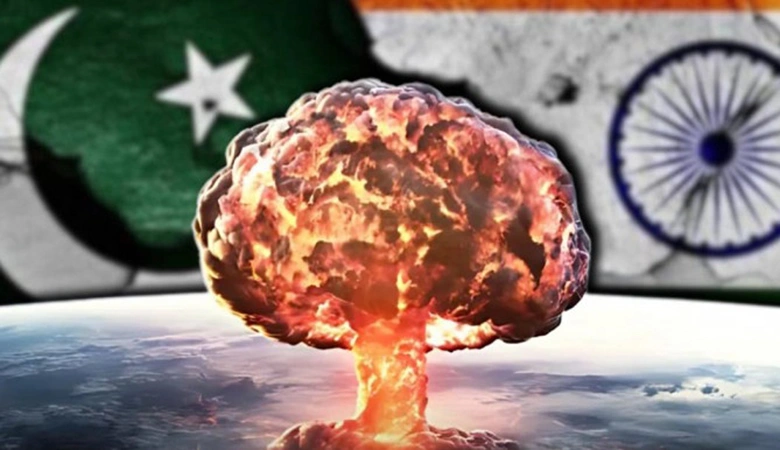
Kashmir: Still the Unresolved Core
The heart of the political conflict remains Kashmir. Neither war nor diplomacy over the decades has yielded a permanent solution. For many Kashmiris, the latest war is yet another chapter in a history of marginalization, violence, and political manipulation.
Until a genuine, inclusive political dialogue is established that centers the voices of Kashmiris themselves, the region will continue to act as a spark for future conflicts and a symbol of unresolved colonial legacies.
The Path Forward: Diplomacy or Prolonged Tension?
With casualties mounting and the region on edge, the war’s trajectory is uncertain. While ceasefire negotiations may eventually take hold, the underlying political divisions show no signs of healing. The fallout of this war will continue to shape elections, policy agendas, and diplomatic relations for years to come.
The ultimate question remains: Will the war serve as a catalyst for deeper dialogue, or will it become another tragic repetition in a cycle of conflict?
Conclusion
Borders may be ablaze, but beyond the smoke lies an opportunity—however faint—for transformation. The political fallout from this war is significant, but not yet irreversible. It is a moment that demands courageous leadership, not just on the battlefield but in the halls of diplomacy, civil society, and public discourse. What happens next will determine not just the future of India and Pakistan, but the stability of an entire region and the credibility of global peacekeeping efforts.