


Understanding the Nature of Tech Addiction
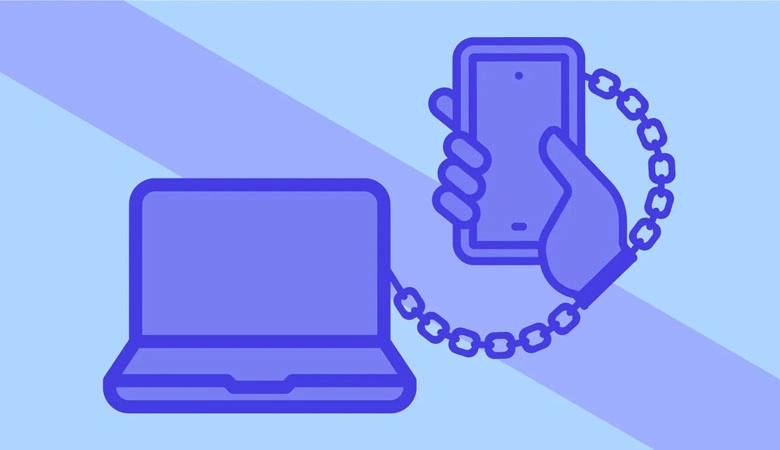
Tech addiction goes beyond mere frequent use of devices. It refers to a compulsive need to engage with technology, often at the expense of real-life interactions, responsibilities, and personal well-being. Whether it’s endless scrolling through social media, binge-watching content, or compulsively checking notifications, these habits can create a cycle of dependency that is difficult to break.

The Psychological Triggers Behind Tech Dependency
One reason tech addiction is so widespread is that digital platforms are designed to capture and hold attention. Features like infinite scrolling, personalized notifications, and instant feedback trigger dopamine responses in the brain, similar to other forms of addiction. These psychological hooks encourage repeated engagement, making it easy to lose track of time and difficult to disconnect, even when we intend to.
The Impact on Mental and Physical Health
Excessive technology use has been linked to various health issues, including anxiety, depression, and sleep disturbances. Constant exposure to screens can also lead to eye strain and physical discomfort. Moreover, the pressure to remain constantly available online can heighten stress levels, as the boundaries between work, social life, and personal time become increasingly blurred.
Recognizing the Signs of Digital Overload
Acknowledging tech addiction is the first step toward balance. Warning signs include feeling anxious when separated from devices, neglecting responsibilities, experiencing relationship strain due to excessive screen time, and losing interest in offline activities. Becoming aware of these patterns can empower individuals to take proactive steps toward healthier habits.

Strategies for Reclaiming Balance
Finding balance doesn’t require abandoning technology altogether. Instead, it’s about mindful usage and creating intentional boundaries. Setting specific times to disconnect, using apps to monitor screen time, and prioritizing face-to-face interactions are practical steps. Creating tech-free zones at home, like the dining table or bedroom, can also help reclaim spaces for relaxation and genuine connection.
The Role of Digital Well-being Tools
Interestingly, the same technology that contributes to digital overload can also help manage it. Many devices and apps now offer features to track usage, set reminders for breaks, and limit access to certain platforms after designated periods. Leveraging these tools can encourage healthier habits and support conscious consumption of digital content.
Cultivating Mindfulness in a Digital World
Mindfulness plays a crucial role in overcoming tech addiction. By paying attention to our tech habits and recognizing triggers for overuse, we can make more deliberate choices. Practices like meditation, journaling, and spending time in nature foster a deeper connection with the present moment, helping to balance online engagement with offline fulfillment.

Conclusion: Embracing a Healthier Digital Life
In our connected world, technology is an indispensable part of life—but it shouldn’t dominate it. By understanding the roots of tech addiction and adopting mindful strategies, we can enjoy the benefits of technology without compromising our well-being. Striking this balance empowers us to live more intentional, fulfilling lives, where technology serves as a tool rather than a trap.