

Step 1: Understanding the Basics of Periodization
Periodization is simply the structured planning of your workouts over a period of time. Instead of doing the same routine day after day, periodization involves changing the intensity, volume, and type of exercises at specific intervals. The goal is to challenge your body in different ways, giving it time to recover and adapt. This strategy helps avoid plateaus, reduces injury risk, and keeps you mentally engaged with your training.

Step 2: The Phases of Periodization
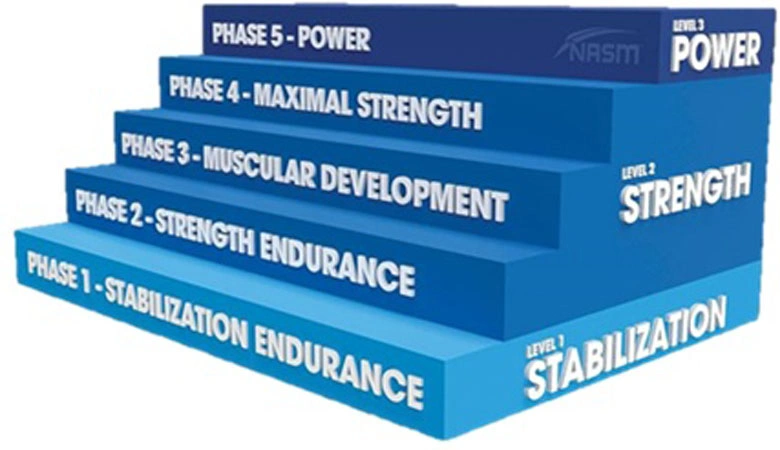
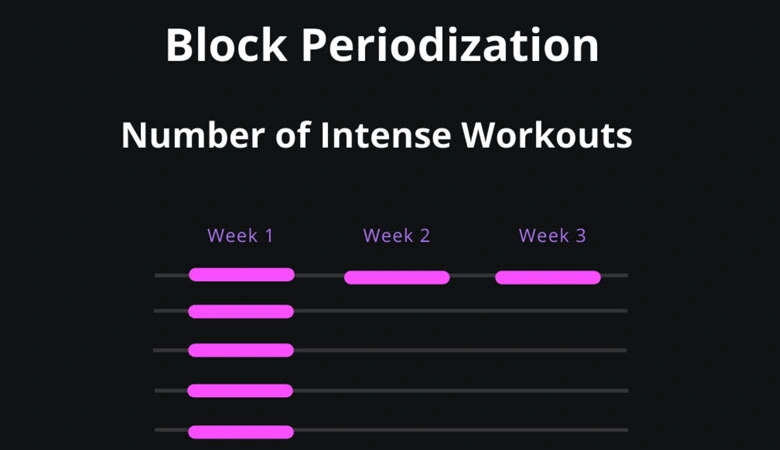
Most periodized training programs are divided into phases, each with a specific focus. Typically, these include: • Preparation Phase: Building a solid foundation with moderate intensity and higher volume exercises. • Build or Strength Phase: Increasing intensity to develop strength and power. • Peak Phase: Maximizing performance with high-intensity, low-volume workouts. • Recovery Phase: Allowing your body to rest and rebuild, preparing for the next cycle. Each phase can last anywhere from a few weeks to several months, depending on your goals.
Step 3: Why Periodization Matters for Progress
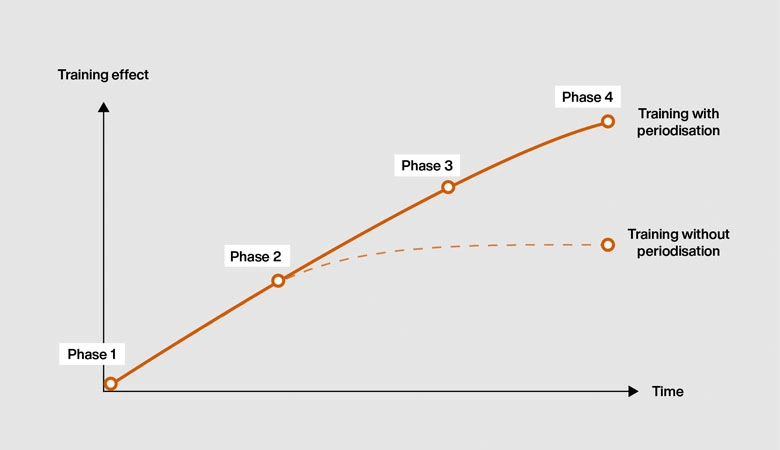
Your body adapts to stress over time. If you keep doing the same exercises at the same intensity, progress eventually stalls. Periodization keeps your body guessing, stimulating new growth and improvements. By strategically cycling through phases, you allow muscles to grow, energy systems to develop, and avoid burnout. It's a smarter way to train, especially if you have long-term fitness goals.
Step 4: Reducing the Risk of Overtraining
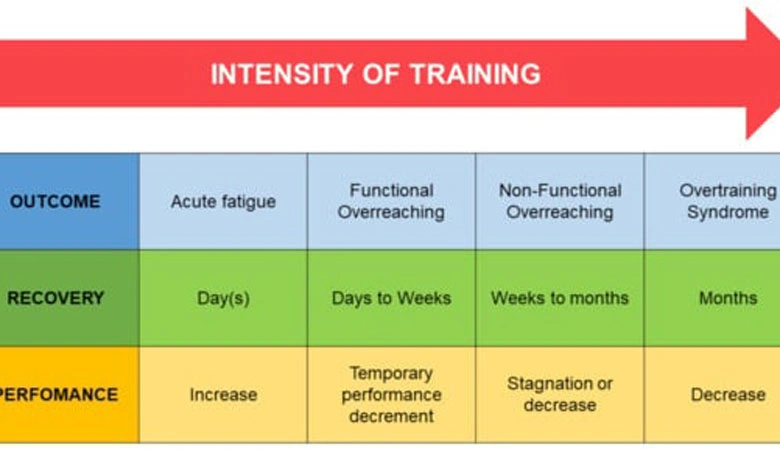
One of the hidden dangers of intense, non-stop training is overtraining syndrome. It happens when your body doesn’t have enough time to recover between workouts. Periodization builds recovery into your plan, ensuring you stay healthy and energized. The lower-intensity phases act as active rest, helping muscles and joints to repair while still keeping you moving
Step 5: Adapting Periodization to Your Goals
Whether you're training for a marathon, building muscle, or simply staying fit, periodization can be tailored to fit your needs.
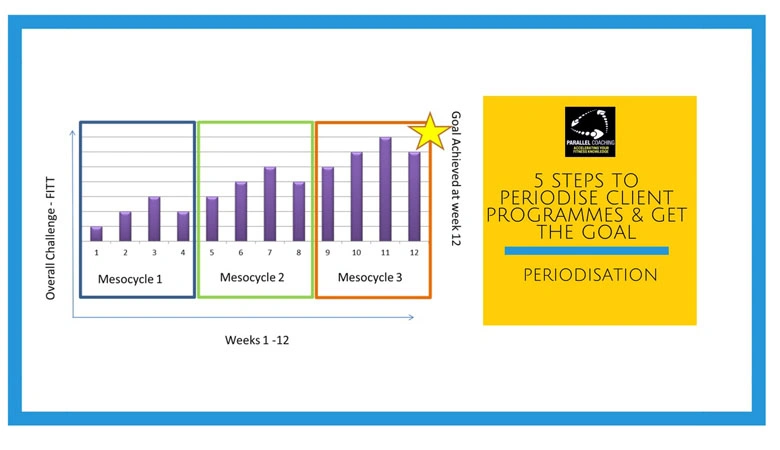
For endurance athletes, periodization might involve gradually increasing mileage. For strength training, it means cycling between heavier weights and lighter recovery weeks. The beauty of this method is its flexibility — it works for everyone, regardless of experience level.
Step 6: Staying Motivated Through Variety
Let’s face it, repeating the same workouts can get boring. Periodization keeps things fresh. With new focuses every few weeks, you’re less likely to lose interest.
This variety isn’t just good for your body — it’s great for your mind, too. Staying mentally engaged boosts consistency, which is the ultimate key to long-term fitness success.
Step 7: Getting Started with Periodization
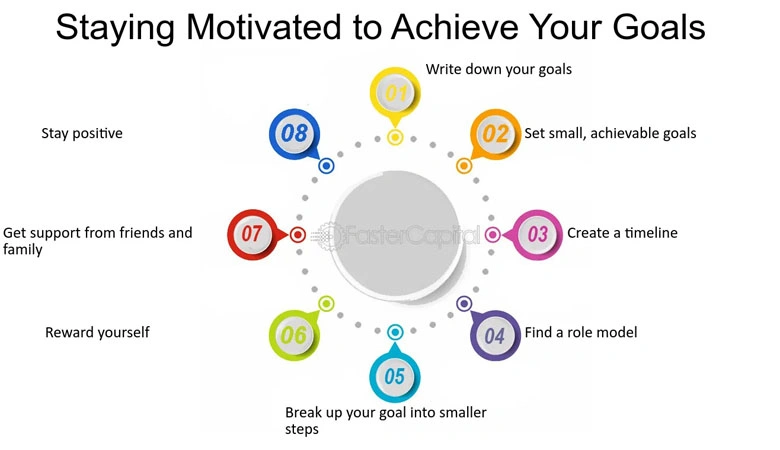
You don’t need to be an elite athlete to use periodization. Start by looking at your calendar and setting clear goals. Break your training into phases, decide what to focus on during each, and track your progress along the way.
Consider working with a trainer for a personalized plan, or use periodization templates designed for beginners. The important thing is to stay flexible and listen to your body throughout the process.
Conclusion: Train Smarter, Not Just Harder
Periodization transforms your workouts from random efforts into a smart, strategic plan. By cycling through training phases, you optimize performance, prevent burnout, and make steady progress toward your goals. If you’re serious about making your fitness journey more effective, it’s time to embrace periodization and train smarter — not just harder.