

The United Nations: Urging Peace, Stuck in Paralysis
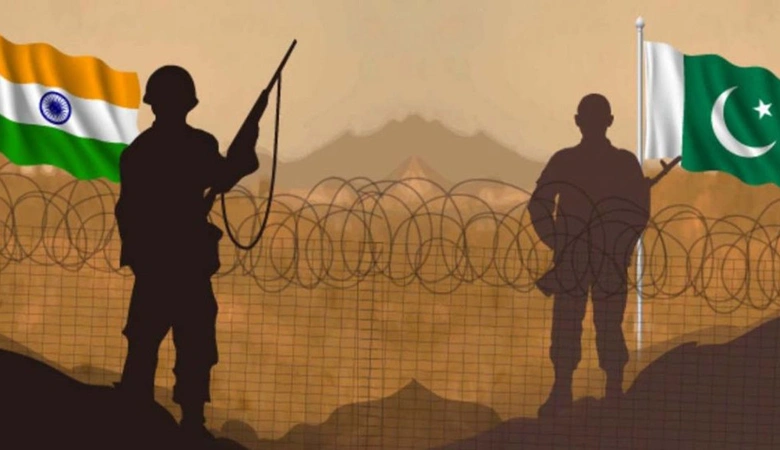
The United Nations was among the first to call for de-escalation, with the Secretary-General appealing for “maximum restraint.” However, the UN Security Council, hamstrung by the conflicting interests of permanent members, has been unable to issue a unified resolution. With China leaning toward Pakistan and the U.S. backing India, consensus remains elusive. The situation reveals once more the UN’s limited power when major powers are aligned on opposite sides of a regional conflict.
The United States: A Delicate Diplomatic Dance
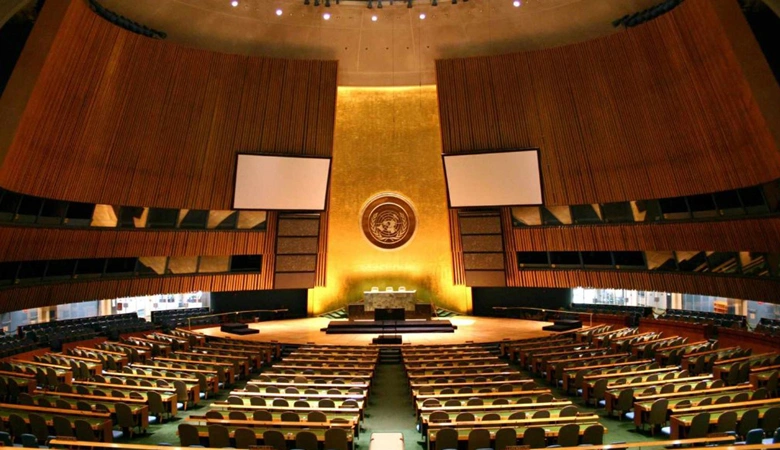
The United States has walked a careful line. While reaffirming its strategic partnership with India, Washington has also called for immediate dialogue and cessation of hostilities. Behind the scenes, American diplomats are reportedly pressuring both nations to return to the negotiating table, fearing that continued conflict could destabilize not only South Asia but global markets and supply chains. Moreover, the U.S. has concerns about nuclear escalation and the potential impact on its own military posture in the Indo-Pacific. The White House has engaged both New Delhi and Islamabad through backchannels, aiming to contain the crisis without appearing to favor one side too heavily.
China: Strategic Interests Take Center Stage
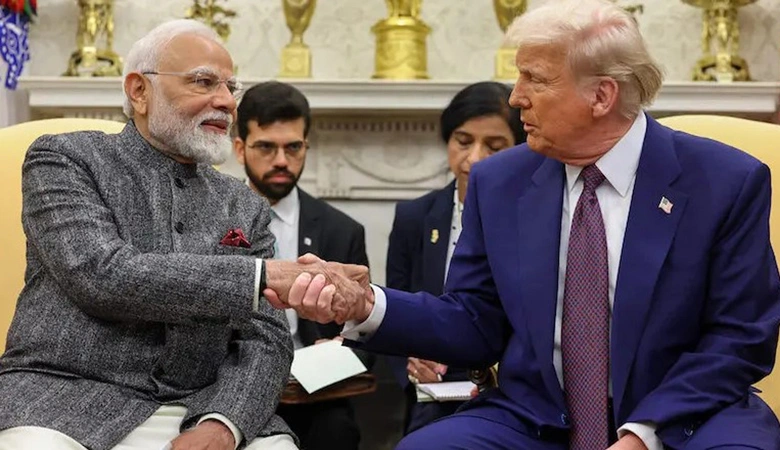
China's response is rooted in its own regional ambitions. As Pakistan's close ally and economic partner—especially through the China-Pakistan Economic Corridor—Beijing has expressed “deep concern” over the violence and blamed India for the provocation. At the same time, China is cautious not to trigger an open confrontation with India, with whom it shares a tense and militarized border. In forums like BRICS and the Shanghai Cooperation Organisation, China is advocating for multilateral de-escalation talks. But critics argue Beijing’s approach is more about maintaining influence than promoting genuine peace.
Russia: Offering Mediation but Guarding Its Interests
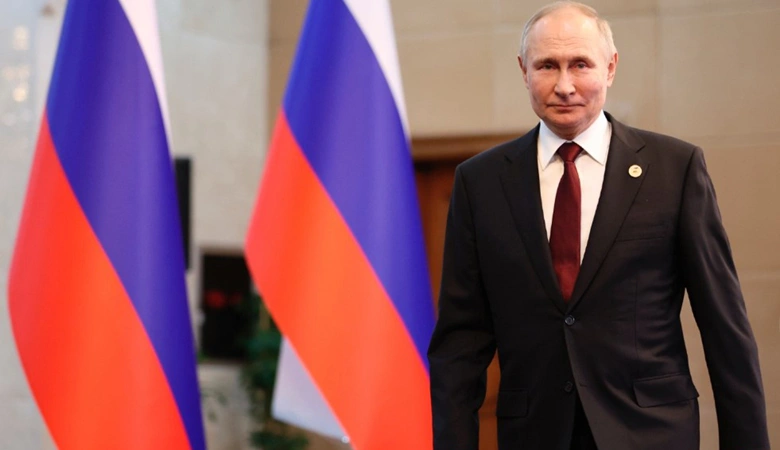
Russia has offered to mediate, citing its longstanding relationships with both India and Pakistan. Historically, Moscow has been India’s top defense supplier, but in recent years it has also warmed ties with Islamabad. The Kremlin's statement urged “calm and dialogue,” and Russian diplomats have suggested hosting a peace summit. However, Russia’s own geopolitical entanglements and its reliance on China limit its room to maneuver. While offering the language of neutrality, Moscow remains cautious, preferring to maintain bilateral leverage rather than fully engage in the crisis.
Europe: Wary Observers with Strategic Concerns
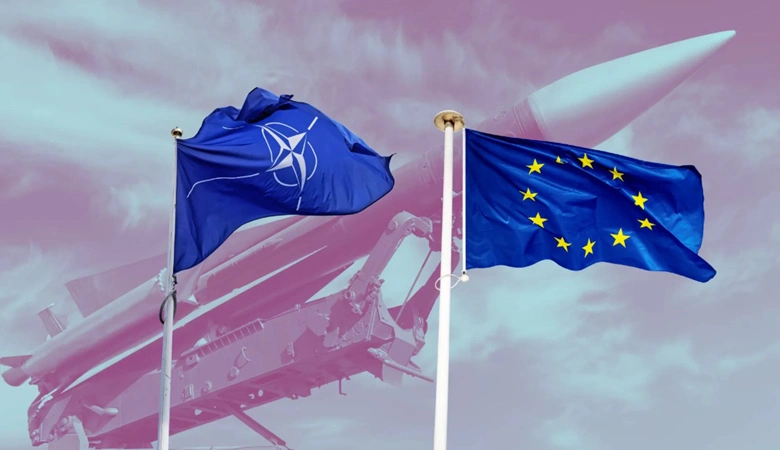
European nations have responded with unified concern but limited influence. The European Union and individual states like France and Germany have called for an immediate ceasefire and the protection of civilians. France, in particular, has military ties with India, while the UK is juggling its historical links to both countries. For the EU, the crisis highlights broader fears about nuclear conflict and humanitarian fallout. Refugee flows, economic instability, and disrupted trade routes are top concerns in Brussels and beyond. But beyond diplomatic statements and calls for mediation, Europe’s tangible influence remains modest.
Middle East: Economic Interests and Diplomatic Nuance
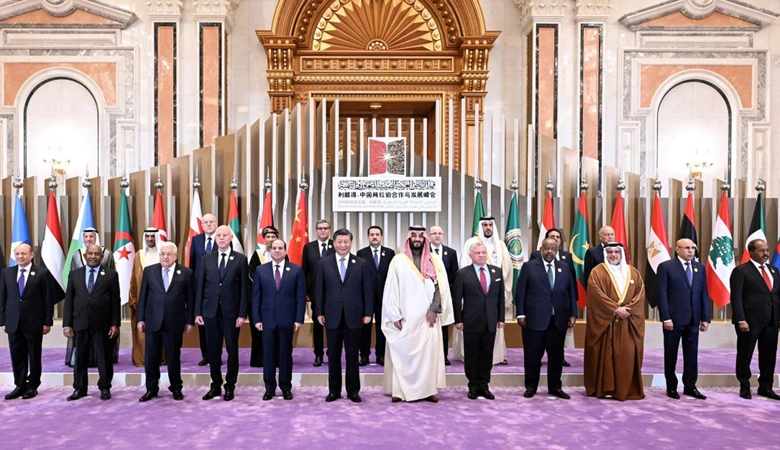
Countries in the Gulf, especially Saudi Arabia and the United Arab Emirates, have urged both India and Pakistan to de-escalate. These nations maintain close economic ties with both sides—India is a major trade partner, and millions of Pakistanis work in Gulf states. The UAE has proposed a neutral venue for dialogue, attempting to revive its past role as a peace broker. Meanwhile, Turkey has taken a stronger pro-Pakistan stance, criticizing India’s actions and offering moral support to Islamabad. These differing responses underscore a fragmented regional approach within the broader Muslim world.
Global Media and Civil Society: The People’s Pressure
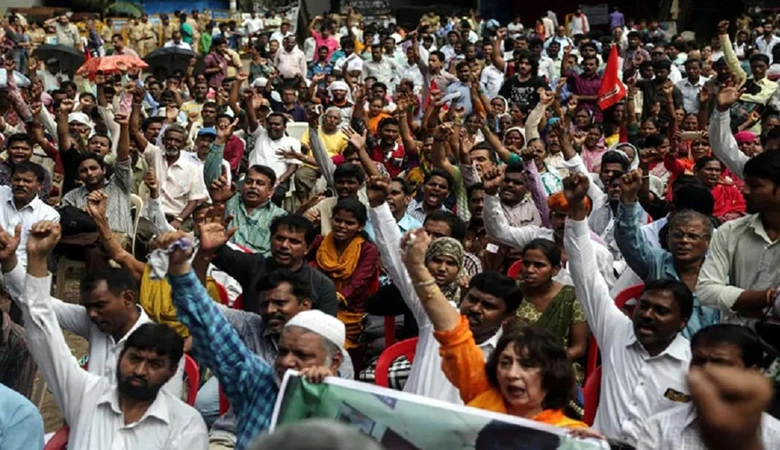
Beyond governments, international media and civil society organizations have played a critical role in shaping the narrative and pressing for peace. Human rights groups have highlighted the civilian toll on both sides, calling for access to humanitarian corridors and protection for displaced populations. Activists from the global South Asian diaspora have organized campaigns urging leaders to prioritize dialogue over war. On social media, hashtags promoting peace have trended across countries, reflecting a growing public demand for de-escalation.
Economic Markets and Global Trade: Tensions Ripple Outward
Financial markets have responded nervously to the conflict. Stock exchanges in both India and Pakistan have seen volatility, while global energy and commodity markets are reacting to the instability in the region. South Asia is a vital part of global supply chains, especially in pharmaceuticals, textiles, and IT services. Any prolonged conflict could disrupt trade routes and manufacturing hubs, prompting broader economic ripples. Additionally, insurance premiums for shipping through the Indian Ocean are rising, and investors are reevaluating risk in South Asian markets. For multinational corporations, the conflict poses both logistical and reputational risks.

Conclusion: A Regional Conflict in a Global Arena
What makes the current India-Pakistan conflict especially dangerous is its potential to pull in a web of international actors—some directly, others through economic and strategic interests. The world is no longer a bystander. As alliances shift and global responses evolve, the fate of South Asia hangs not just on the actions of New Delhi and Islamabad, but on how the international community chooses to engage. Peace, if it is to be achieved, will require not only bilateral diplomacy but a coordinated and committed global response. In a world increasingly shaped by complex interdependence, the crisis in South Asia is a stark reminder: regional wars have global consequences.