


How Street Style Became High Fashion
Once considered the rebellious sibling of couture, street style has risen from the sidewalks to the most prestigious runways in the world. What began as a grassroots expression of individuality has now become a central pillar of luxury fashion. Let’s take a closer look at the journey of street style and how it transformed the industry.
Step 1: The Birth of Street Style in Urban Culture
Street style found its roots in the bustling neighborhoods of New York, London, Tokyo, and Paris. In the late 20th century, subcultures like hip-hop, punk, skateboarding, and graffiti art shaped a unique visual language. These movements valued authenticity and community over mainstream trends, setting the foundation for what would later captivate the fashion elite.
Step 2: The Power of Personal Expression
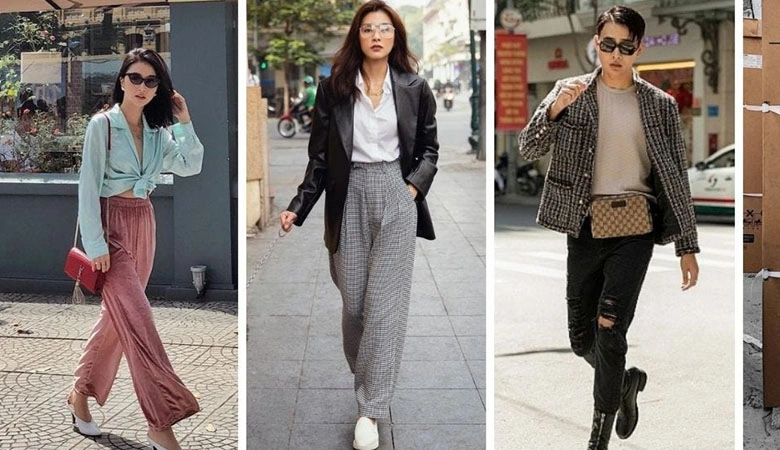
What set street style apart was its fearless embrace of personal expression. Individuals mixed vintage finds, sportswear, DIY customizations, and bold accessories to create looks that were entirely their own. Unlike the curated world of designer fashion, street style was raw, real, and constantly evolving on the city streets.

Step 3: Media and the Rise of Street Style Photography
The explosion of street style photography in the early 2000s, led by pioneers like Scott Schuman of The Sartorialist, gave this grassroots movement global visibility. Bloggers and photographers began documenting real people with striking style, turning everyday fashion into front-page inspiration.

Step 4: Luxury Brands Take Notice
It wasn’t long before luxury designers started to see the potential of street style. Brands like Louis Vuitton, Balenciaga, and Gucci began to incorporate elements of urban wear — from sneakers to oversized hoodies — into their collections. The high-low blend created an exciting tension that felt fresh and modern.

Step 5: Collaborations That Shook the Industry
The collaboration between streetwear brands and luxury houses marked a major turning point. Supreme x Louis Vuitton in 2017 is perhaps the most iconic example, seamlessly merging skate culture with luxury craftsmanship. These partnerships legitimized street style in the eyes of traditional fashion connoisseurs.

Step 6: Celebrities and Influencers Drive the Movement
Street style’s ascent was fueled by celebrities and influencers who embraced casual yet statement-making looks. Stars like Rihanna, A$AP Rocky, and Hailey Bieber made streetwear synonymous with star power, while social media amplified their impact worldwide.

Step 7: Runways Redefined by Urban Aesthetics
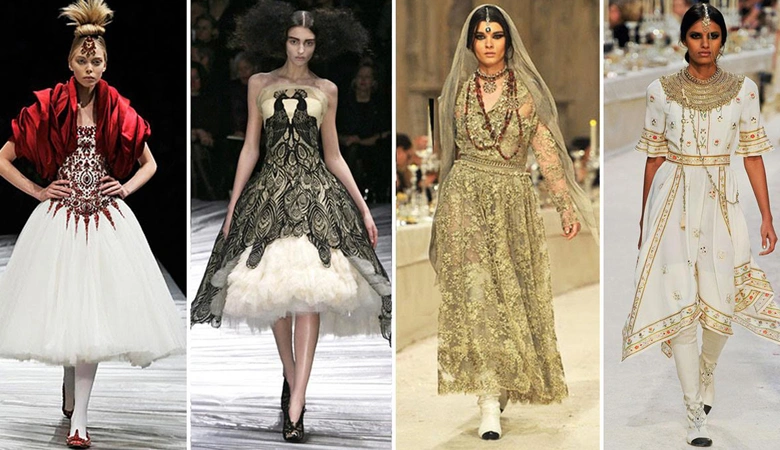
Designers began to craft entire collections inspired by street culture. Shows were no longer restricted to grand ballrooms — they spilled into city streets and urban backdrops, blurring the lines between everyday life and high fashion spectacles.
Step 8: Street Style as a Symbol of Inclusivity
Perhaps the most transformative aspect of street style’s rise is its inherent inclusivity. Unlike traditional fashion that often felt exclusive, street style celebrates diversity in age, body type, gender, and background. It invites everyone to be part of the fashion conversation.

Step 9: Sustainability and DIY Culture Reinforce Street Cred
The emphasis on vintage, upcycled, and DIY pieces within street style naturally aligned with the growing sustainability movement. Thrifted treasures, custom patches, and reworked garments give new life to old clothes, reinforcing the authenticity and eco-conscious spirit of street fashion.

Step 10: The Future of Street Style in High Fashion
Today, street style isn’t just a trend — it’s a force shaping the future of the fashion industry. As designers continue to draw inspiration from the streets, expect to see even bolder experiments, deeper cultural storytelling, and a continued celebration of individuality.

Conclusion
The rise of street style from underground culture to high fashion dominance is a testament to the power of self-expression and cultural fusion. What started as an everyday rebellion against the norm is now driving some of the most exciting innovations in fashion. The streets have become the new catwalk, and everyone is invited to take a stride.