
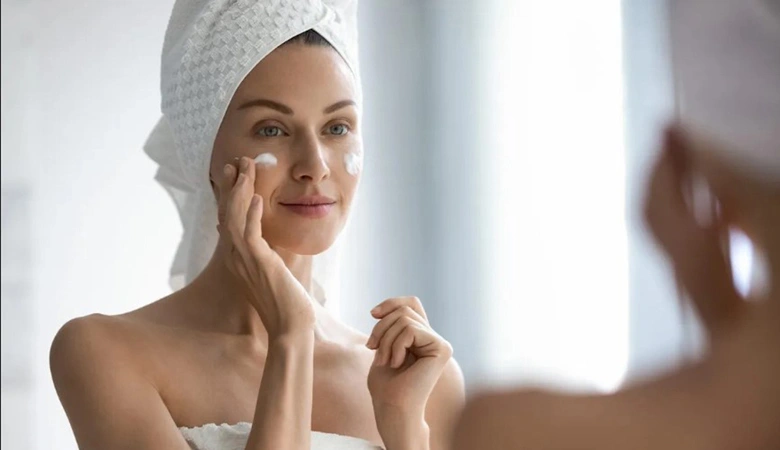

Understanding What "Clean Beauty" Really Means
The first step is understanding that "clean beauty" does not have a universal definition. Unlike terms such as "organic" or "certified cruelty-free," clean beauty is largely unregulated. Brands use it to signal products that are free from certain controversial ingredients, but these ingredient lists vary widely. Generally, clean beauty aims to avoid harsh chemicals like parabens, sulfates, phthalates, and synthetic fragrances. However, not all synthetic ingredients are harmful, and not all natural ones are safe. The key is balance and informed choice.
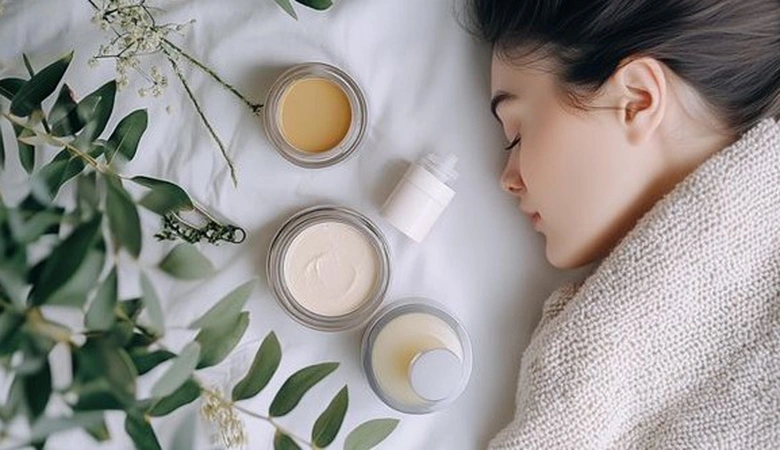
Decoding Ingredient Lists
Learning to read and understand product labels is crucial in navigating clean beauty. Ingredient lists can seem overwhelming, but taking time to familiarize yourself with common terms makes a huge difference. Focus on understanding what the active ingredients do and whether they align with your skin’s needs. Just because something is hard to pronounce doesn’t automatically make it harmful, and just because it’s plant-derived doesn’t guarantee it's gentle.
Recognizing Marketing Hype
Clean beauty has become a powerful marketing tool, and brands are quick to highlight the "clean" aspect of their products to attract conscientious consumers. Phrases like "chemical-free" or "non-toxic" are often more about marketing than science. In reality, everything, including water, is a chemical. The goal isn’t to avoid chemicals altogether but to choose those that are proven safe and effective. Being aware of these tactics helps you see past the buzzwords and make choices based on facts, not fear.

Trusting Certifications and Transparency
While the term "clean" is not officially regulated, some third-party certifications can provide guidance. Look for reputable seals like EWG Verified, COSMOS Organic, or Leaping Bunny for cruelty-free assurance. Brands that are transparent about their sourcing, manufacturing processes, and ingredient testing are often more trustworthy. Transparency is a good indicator that a company is genuinely committed to clean beauty principles rather than simply following a trend.

Balancing Clean Beauty with Performance
One common misconception is that clean beauty products are less effective than traditional ones. Fortunately, this is no longer the case. Advances in cosmetic science have created powerful, high-performance clean beauty options that deliver real results. From potent plant-based serums to innovative sunscreens and long-lasting makeup, clean formulations can compete with their conventional counterparts. It’s about finding the products that work for you, without compromising your health or values.
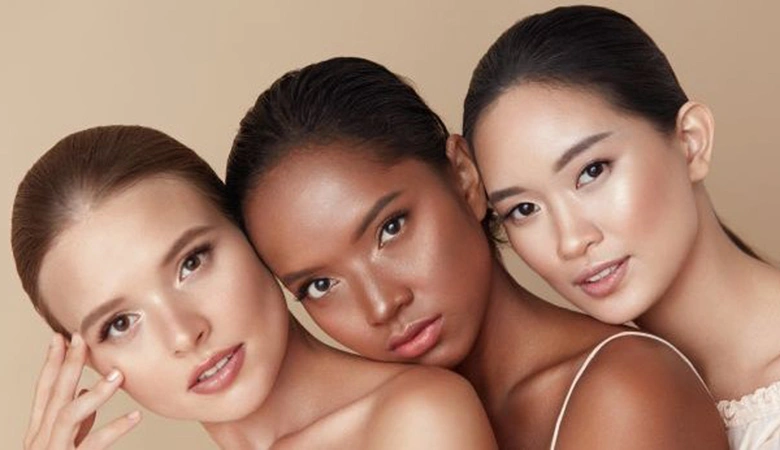
Embracing Progress, Not Perfection
Perhaps the most important truth about clean beauty is that it’s a journey, not an all-or-nothing approach. It’s perfectly okay to mix clean products with traditional ones, or to make gradual swaps as you learn more. The aim is progress, not perfection. Small changes, like choosing a refillable moisturizer or a sulfate-free shampoo, can collectively make a meaningful impact on your wellbeing and the environment.

Conclusion: Make Informed, Empowered Choices
Clean beauty is more than just a trend—it’s a growing movement towards more thoughtful, responsible choices in our beauty routines. While marketing hype does exist, so do honest, effective, and ethical products that align with the values of safety, transparency, and sustainability. By educating yourself, reading labels carefully, and trusting brands that prioritize integrity, you can embrace clean beauty in a way that feels authentic and empowering. Remember, the ultimate goal is not to chase perfection but to make choices that make you feel good, inside and out.