
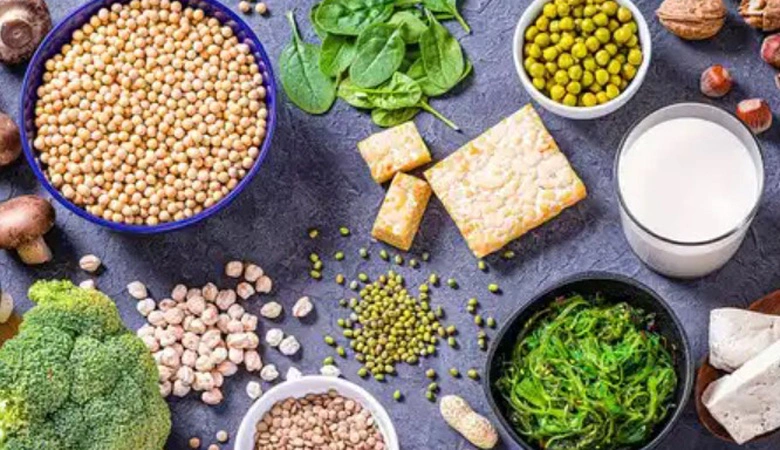

Understanding Plant-Based Proteins
Proteins are made up of amino acids, essential for bodily functions such as muscle repair, immune defense, and hormone production. While animal-based proteins typically offer all nine essential amino acids, many plant-based options can provide similar benefits when consumed in a balanced variety. Let’s explore some of the best plant-based protein sources:
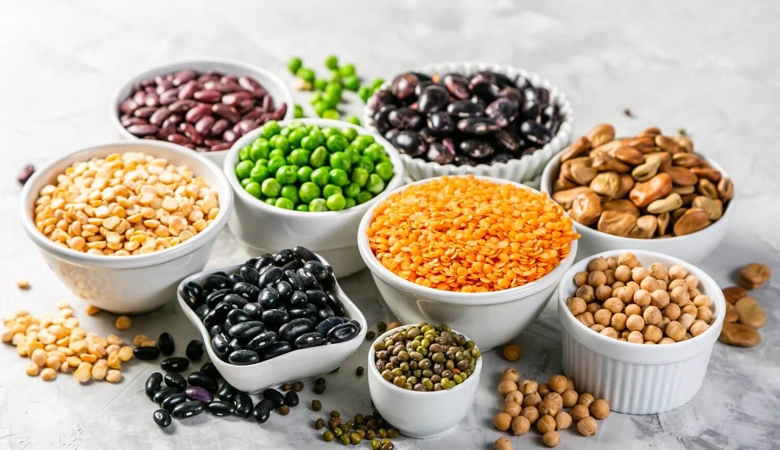
Legumes: The Powerhouse of Plant Protein
Legumes such as lentils, chickpeas, and beans are some of the best sources of plant-based protein. Not only are they rich in protein, but they are also packed with fiber, which aids digestion and helps maintain stable blood sugar levels.
Protein Content: A cup of cooked lentils provides approximately 18 grams of protein.
Versatility: Add them to salads, soups, curries, or blend them into veggie burgers for a protein-packed meal!.
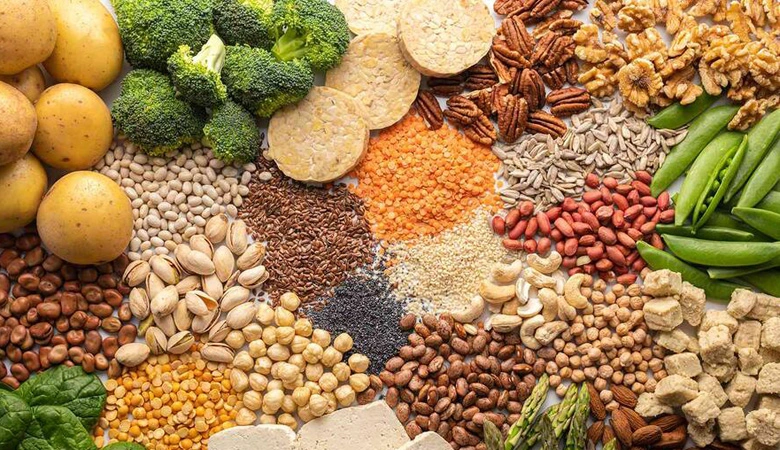
Tofu and Tempeh: Versatile Soy-Based Options
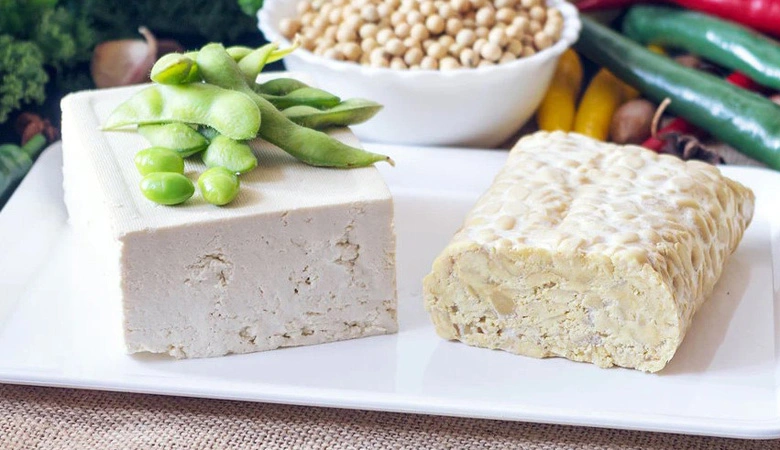
Both tofu and tempeh, derived from soybeans, are highly regarded for their high protein content. Plus, they’re incredibly versatile in the kitchen!
Tofu: With its smooth texture, tofu is great for smoothies, stir-fries, or even desserts. It’s a blank canvas that soaks up the flavors of whatever you cook it with.
Tempeh: Tempeh is firmer and has a nutty flavor, making it perfect for sandwiches, salads, or grilled dishes.
Protein Content: Tempeh offers about 21 grams of protein per 4-ounce serving.
Quinoa: A Complete Protein
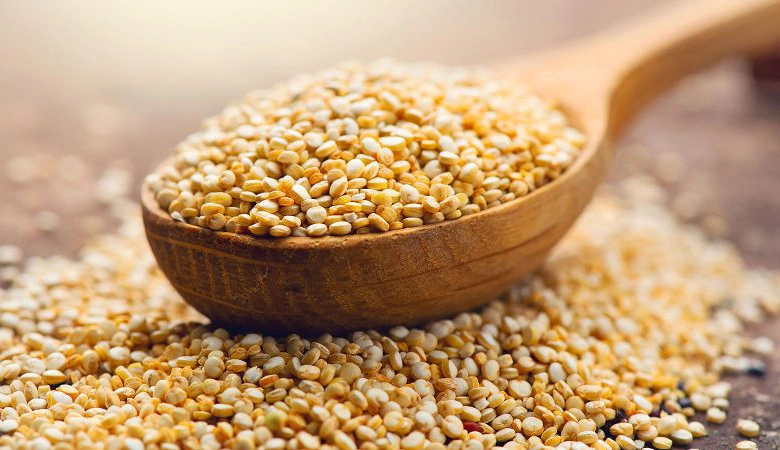
Quinoa is one of the few plant-based foods considered a complete protein, meaning it contains all nine essential amino acids. This ancient grain is not just a protein powerhouse but also loaded with fiber, magnesium, and antioxidants.
Protein Content: A cup of quinoa contains about 8 grams of protein.
How to Use: Quinoa works as a perfect base for salads, grain bowls, or as a side dish to any meal.
Nuts and Seeds: Protein and Healthy Fats
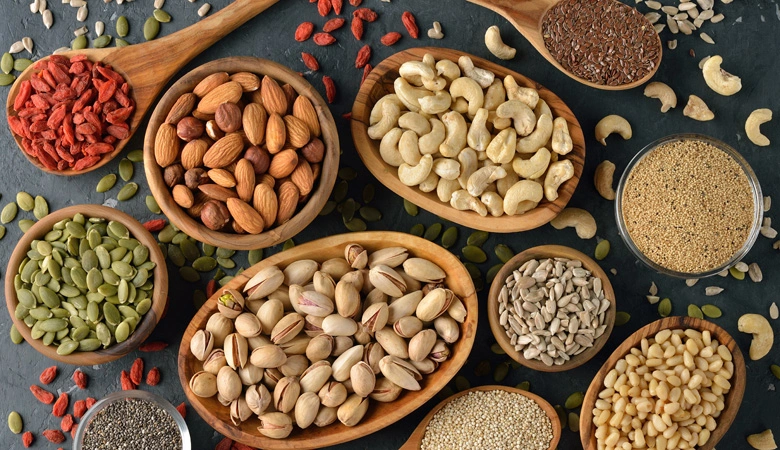
Nuts and seeds are not only rich in protein but also packed with healthy fats, essential omega-3 fatty acids, and vitamin E. These bite-sized powerhouses are great as snacks or toppings for your meals.
Protein Content: A quarter-cup of almonds contains about 7 grams of protein.
Ideas for Use: Sprinkle chia seeds over smoothies, add flaxseeds to your oatmeal, or munch on sunflower seeds as a snack.
Seitan: A Wheat-Based Protein
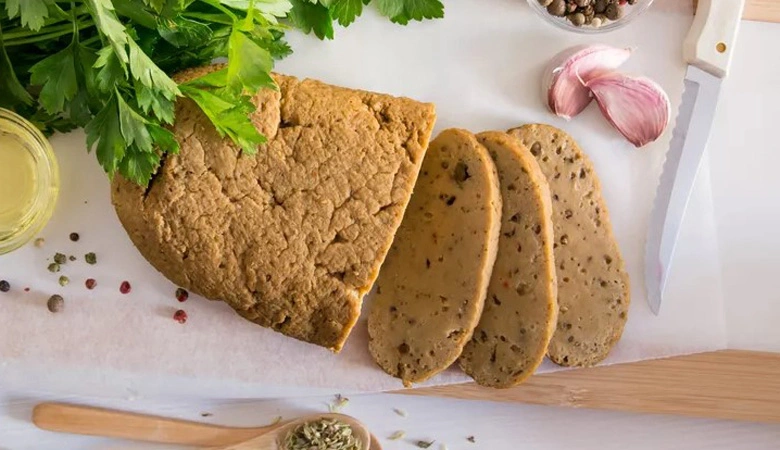
Seitan, made from gluten (the protein found in wheat), is one of the richest plant-based protein sources available. It’s known for its meat-like texture, making it an ideal meat substitute for plant-based eaters.
Protein Content: Seitan offers around 25 grams of protein per 3.5 ounces.
How to Use: Seitan can be sautéed, grilled, or used in stir-fries to replicate the texture of chicken or beef.
Plant-Based Protein Powders: Convenient and Effective
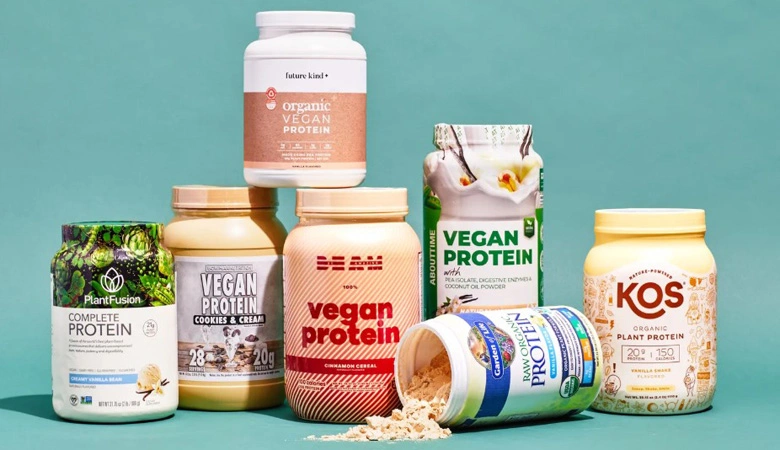
For those with a busy lifestyle or athletes looking for a protein boost, plant-based protein powders are a convenient solution. These powders are typically derived from peas, rice, hemp, and soy.
Protein Content: A serving of protein powder can provide anywhere from 15 to 25 grams of protein.
How to Use: Add them to smoothies, shakes, or even baked goods for an easy way to boost your protein intake.
Conclusion
Incorporating a variety of plant-based protein sources into your diet is a great way to meet your nutritional needs while supporting a healthier and more sustainable lifestyle. From legumes and soy-based products to seeds, nuts, and grains, plant-based proteins are both diverse and delicious. By combining these protein-rich foods, you can ensure you're getting all the essential amino acids your body needs to thrive. Whether you're fully plant-based or just looking to add more plant-centered meals to your diet, these protein-packed options will keep you satisfied, energized, and on track for a healthier lifestyle!