

Physical Health Benefits
Engaging in consistent physical activity strengthens the body in multiple ways. It enhances cardiovascular health, reducing the risk of heart disease, high blood pressure, and stroke. Strength training and weight-bearing exercises promote bone density, preventing conditions like osteoporosis. Moreover, regular exercise improves muscle strength and flexibility, which helps in reducing the likelihood of injuries.
Physical fitness also plays a vital role in managing body weight. Exercise helps burn calories and regulates metabolism, preventing obesity and its associated complications like diabetes. Beyond weight management, it boosts the immune system, enhancing your body’s ability to fend off illnesses.

Mental and Emotional Well-being
The connection between physical fitness and mental health is profound. Exercise stimulates the release of endorphins, often referred to as “happy hormones,” which elevate mood and reduce stress. It can alleviate symptoms of anxiety and depression, offering a natural and accessible way to manage mental health.
Regular exercise also improves cognitive function. Activities like running, swimming, or yoga enhance focus, memory, and problem-solving skills. Over time, these benefits contribute to sharper mental acuity and better productivity.
Long-Term Impact on Quality of Life
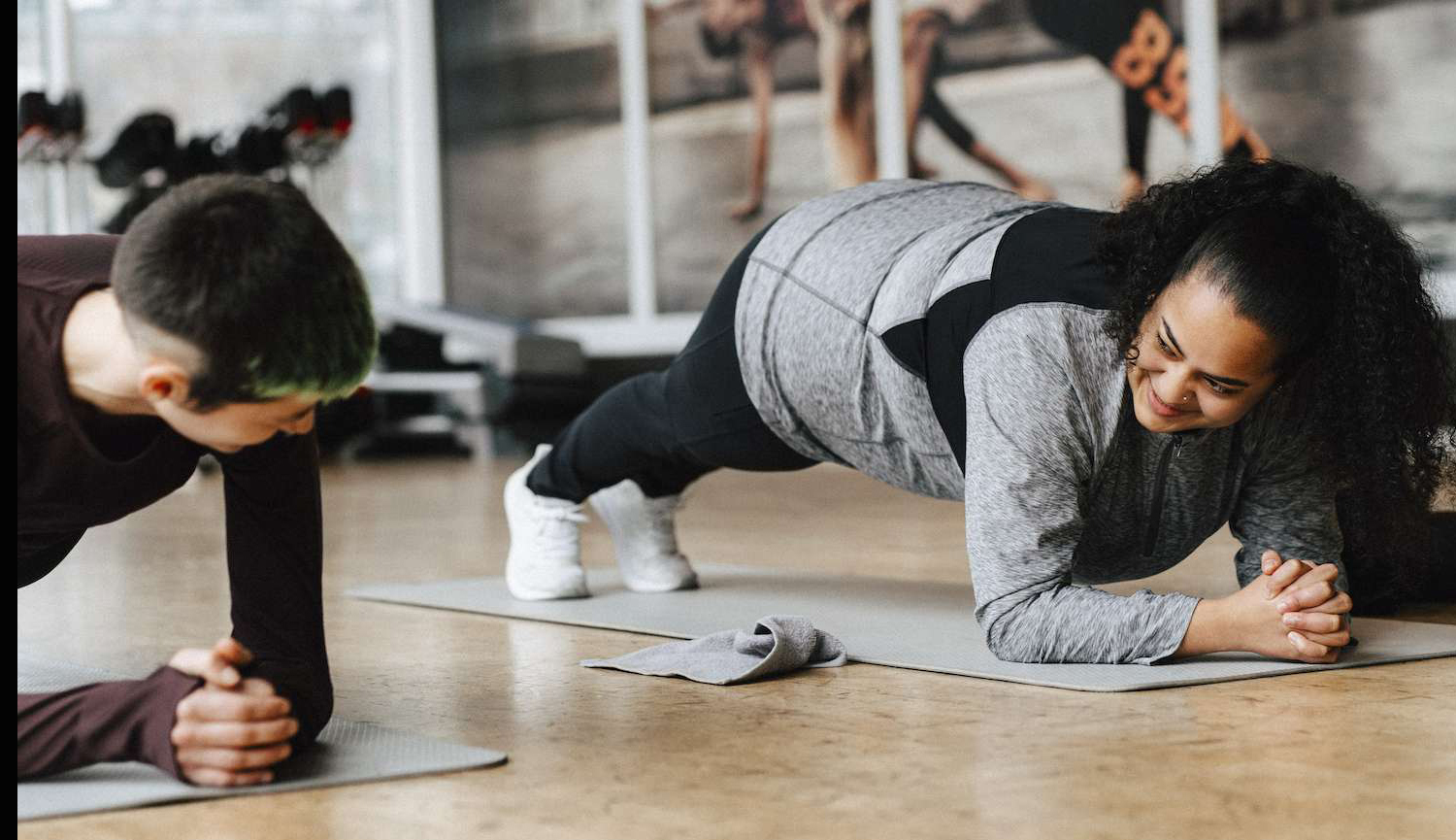
Adopting a fitness routine isn’t just about short-term gains; it’s an investment in your future. Active individuals tend to age gracefully, maintaining mobility, independence, and vitality well into their later years. Exercise reduces the risk of chronic diseases and fosters longevity by keeping the body’s systems functioning efficiently.
In addition to the physical and mental benefits, staying fit cultivates a sense of discipline and resilience. Overcoming challenges in workouts can mirror life’s obstacles, building confidence and determination.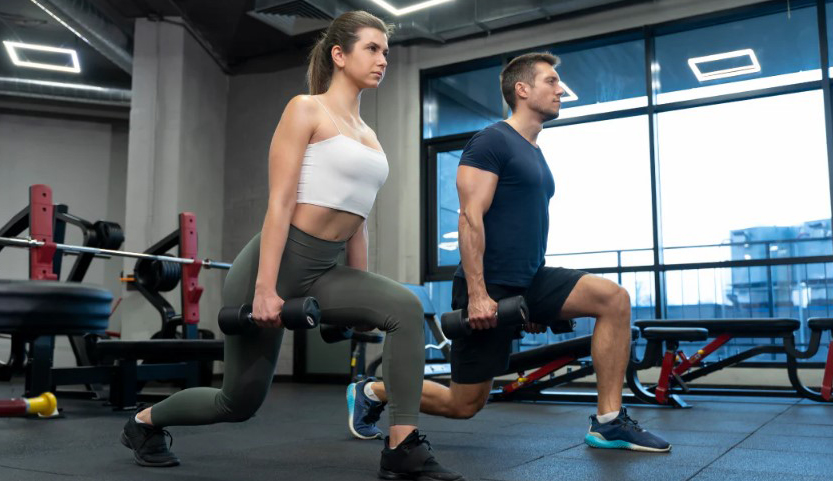
Integrating Fitness Into Daily Life
Incorporating fitness doesn’t mean you need a gym membership or hours of free time. Simple changes like walking or cycling instead of driving, taking the stairs, or practicing yoga at home can make a significant difference. Finding activities you enjoy, such as dancing, swimming, or playing sports, makes staying active more sustainable.

Conclusion
Physical fitness is an indispensable part of holistic well-being. It empowers you to lead a healthier, happier, and more balanced life. By making fitness a priority, you’re not just transforming your body; you’re nurturing your mind and soul. Start small, stay consistent, and enjoy the profound benefits that come with being active.