
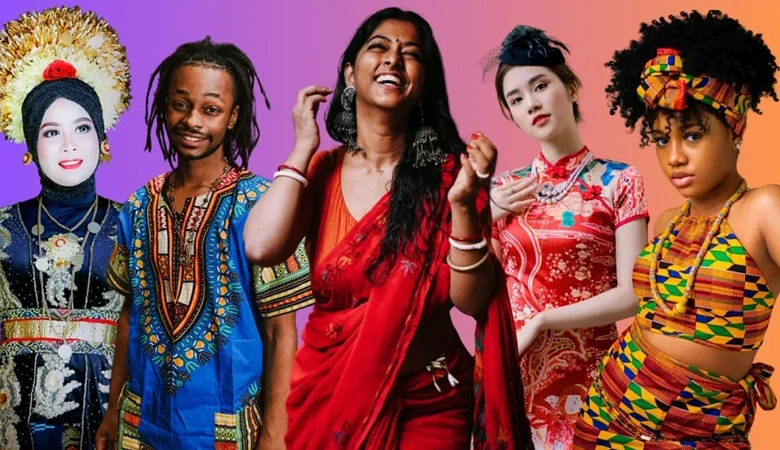

The Roots of Heritage — Understanding Traditional Fashion
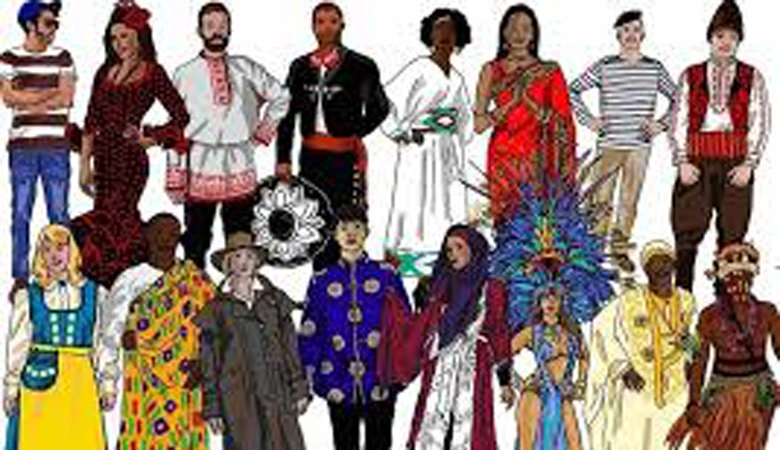
Traditional fashion is born from history, rituals, and regional craftsmanship. Whether it’s the intricate embroidery of Eastern Europe, the bold patterns of African textiles, or the delicate silks of Asia, these garments reflect centuries of culture.
What makes them timeless is not just their beauty, but the stories they carry — each stitch often symbolizing something meaningful.
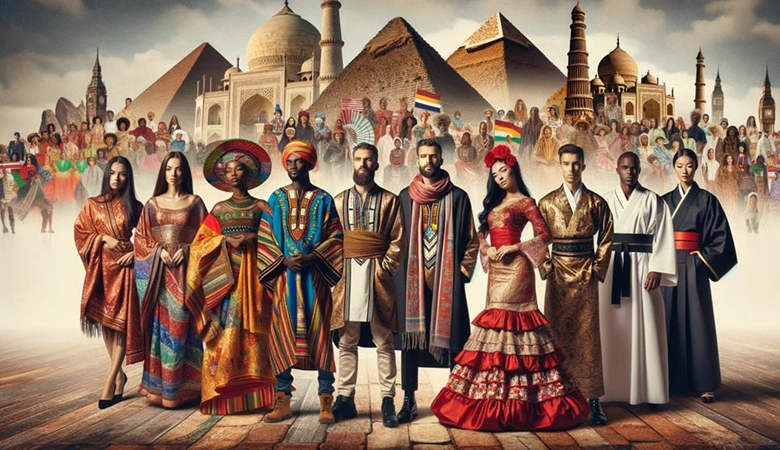
East Meets West — The Rise of Fusion Fashion
Modern designers are increasingly blending traditional elements with contemporary styles. Think kimono-inspired jackets on city streets, or Indian block prints featured in Western silhouettes.
This cultural fusion honors tradition while making it accessible to a wider audience. It proves that heritage and modernity can coexist beautifully in everyday wear.
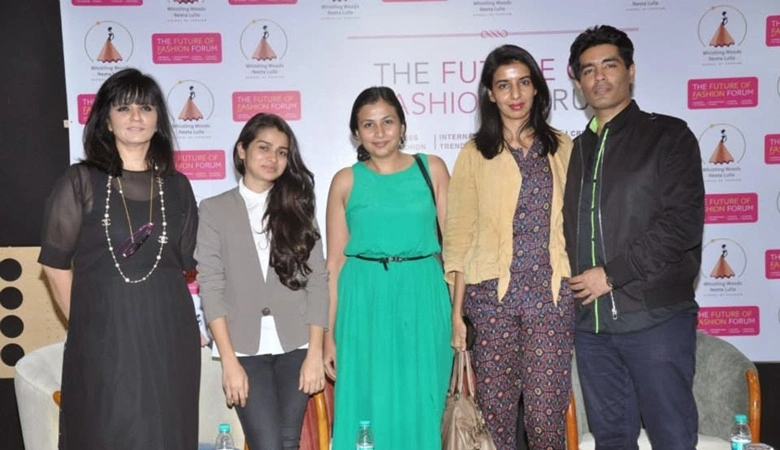
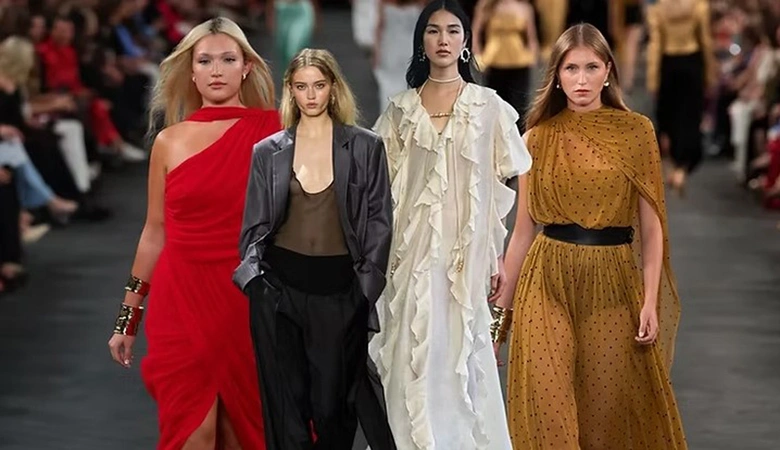
Runways Embrace Global Inspirations
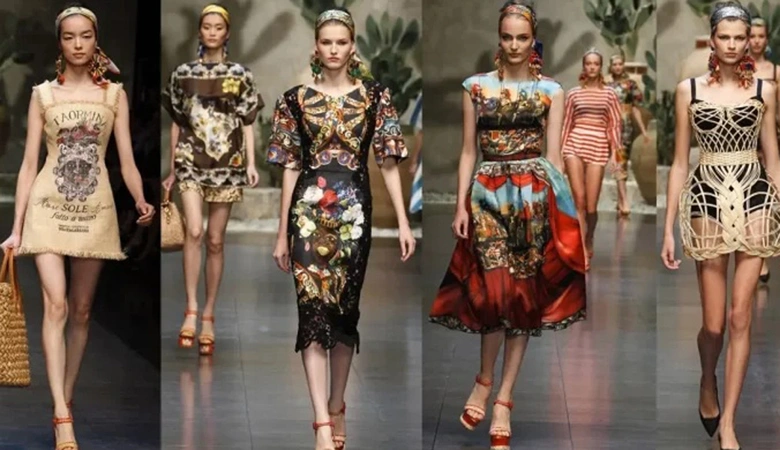
International fashion weeks have become platforms for showcasing global influences. Designers proudly incorporate native fabrics, traditional cuts, and ancestral motifs into high fashion collections.
By doing so, they elevate local craftsmanship to the global stage, ensuring that cultural narratives remain vibrant and relevant in luxury fashion.
Artisan Craftsmanship Finds New Audiences
There’s a growing appreciation for handmade, artisanal fashion. Whether it’s handwoven textiles from Guatemala or beadwork from Maasai communities, fashion lovers are seeking authenticity and skill over mass production.
Supporting artisans preserves these techniques and empowers communities, giving traditional fashion a sustainable future.

Symbolism in Patterns and Textures
Traditional fashion often carries symbolism woven into its design. African wax prints tell stories through their vibrant motifs, while Indigenous beadwork can represent family history, nature, or spiritual beliefs.
Modern designers are respectfully integrating these patterns into their collections, keeping the symbolism alive while reimagining it for contemporary wearers.
Cultural Pride and Personal Style
Wearing traditional fashion or its modern interpretations is also a statement of pride. Many people around the world are embracing their heritage by incorporating cultural elements into their daily wardrobes.
It’s not just about fashion — it’s about identity, representation, and feeling connected to one’s roots while expressing personal style.
Global Fashion Icons Champion Tradition
Celebrities and influencers are increasingly spotlighting traditional garments on global stages. Whether it’s red carpet moments in African couture or influencers styling traditional fabrics with modern twists, these public figures play a crucial role in celebrating and popularizing cultural fashion worldwide.
Their visibility helps to normalize and appreciate cultural diversity in style.
The Path Toward Ethical Appreciation
As traditional fashion gains global popularity, there’s also a conversation about cultural appreciation versus appropriation. The key lies in understanding, respecting, and giving credit to the origins of these styles.
When designers collaborate with artisans and acknowledge cultural significance, it becomes a respectful celebration rather than exploitation.
Conclusion
The global influence of traditional fashion is a beautiful testament to our shared humanity. It reminds us that style is more than just trends — it’s heritage, craftsmanship, and culture wrapped into wearable art. As we continue to explore the world through fashion, let’s celebrate these traditions with the respect and admiration they deserve.