

Understanding the Rise of Automation
Automation has been steadily making its way into our daily lives, from smart appliances at home to automated systems in factories and warehouses. However, it’s not limited to physical tasks anymore. Intelligent software is now capable of performing data analysis, customer service interactions, and even financial forecasting. The future workforce will need to focus on tasks that require human creativity, emotional intelligence, and critical thinking — areas where machines still lag behind.
The Expanding Role of AI in the Workplace
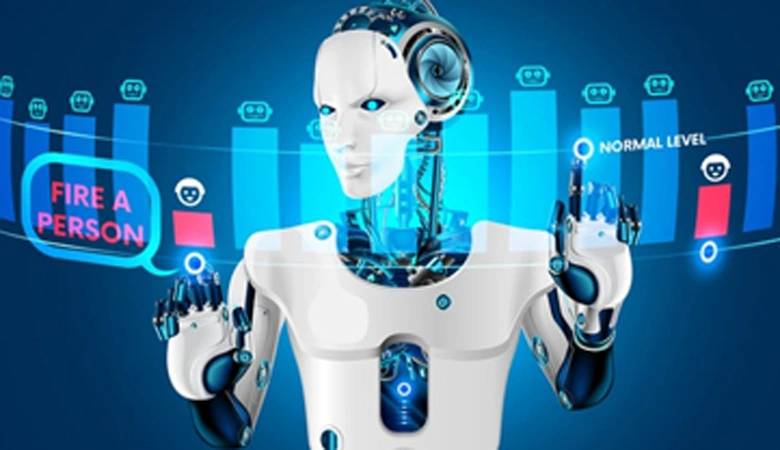
AI is becoming a powerful collaborator in the modern workspace. Rather than acting as a replacement, AI systems enhance human abilities by processing vast amounts of data and providing insights in real time. In fields like healthcare, AI supports doctors with faster diagnoses, while in marketing, it helps predict consumer behavior with precision. The future of work will be defined by humans and AI working hand in hand to achieve greater outcomes.
New Careers Emerging from Innovation
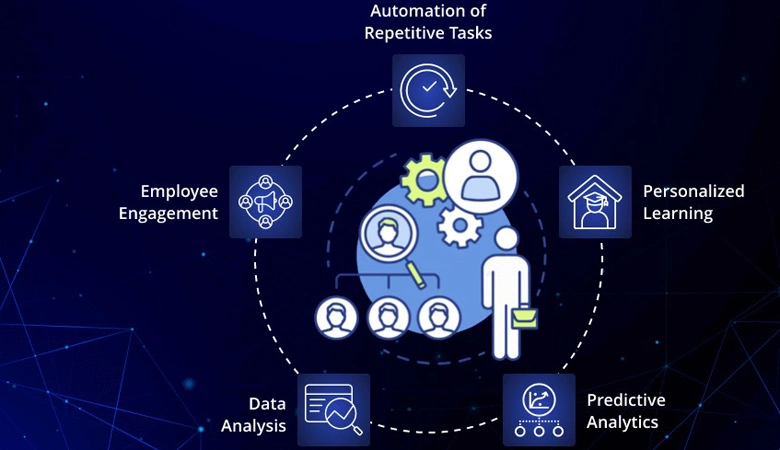
As traditional roles evolve, new job opportunities are on the rise. Careers in AI development, data science, cybersecurity, and human-AI interaction design are growing rapidly. Additionally, roles focused on ethical technology development and digital wellbeing are becoming crucial. These emerging fields highlight the need for continuous learning and adaptability in the face of change.

Reskilling and Upskilling: Staying Ahead
The most successful workers of the future will be those who embrace lifelong learning. Upskilling — learning new competencies to stay relevant in your current role — and reskilling — training for an entirely new career — are essential strategies. Educational institutions and employers alike are increasingly offering flexible learning paths to help individuals navigate the shifting landscape.

Embracing Remote and Hybrid Work Models
The global shift towards remote work, accelerated by recent events, has redefined workplace dynamics. Flexibility is now a top priority for many employees and organizations. Hybrid models that combine remote and in-office work are becoming the norm, allowing greater work-life balance while maintaining productivity and collaboration.

Prioritizing Human Skills
In a world dominated by technology, human-centric skills will gain even more value. Communication, leadership, empathy, and creative problem-solving are irreplaceable traits that will set individuals apart. Cultivating these abilities ensures you remain indispensable in an automated environment.

Ethical Considerations and the Human Touch
With great technological power comes great responsibility. Ethical challenges surrounding data privacy, algorithmic bias, and job displacement must be addressed thoughtfully. As we integrate AI and automation, maintaining a human-centric approach that prioritizes fairness, transparency, and inclusion will be critical for building a future workforce that benefits everyone.
Conclusion
The future of work is not something to fear — it’s something to prepare for with enthusiasm and resilience. Automation and AI are reshaping our professional lives, but they also open doors to new possibilities and purposeful careers. By embracing change, continuously learning, and focusing on our uniquely human strengths, we can not only survive but thrive in this exciting new era of work.