


Military Momentum and Short-Term Strategic Gains
When war breaks out—whether in the form of a brief skirmish or a prolonged campaign—nations often pursue immediate military objectives. For India and Pakistan, these typically include asserting control over contested territory, sending signals of strength, or neutralizing what each side defines as terrorist threats.
In the latest rounds of conflict, India has demonstrated air superiority and intelligence capabilities, while Pakistan has emphasized its rapid mobilization and defensive preparedness. These displays yield short-term advantages: securing tactical ground, boosting morale at home, and projecting deterrence to rivals.
Yet these gains come with a price that often outweighs the benefits. Tactical victories do not necessarily translate into strategic progress, especially when they deepen mistrust and stall long-term peace initiatives.

Diplomatic Isolation and International Repercussions
One of the most significant consequences of sustained conflict in South Asia is diplomatic fallout. Military aggression, even when domestically justified, often isolates a nation on the global stage. Human rights concerns, refugee crises, and civilian casualties quickly attract international scrutiny.
India and Pakistan have both faced diplomatic backlash following escalations. Pakistan has been repeatedly urged to clamp down on extremist groups, while India has faced criticism over its handling of Kashmir. In both cases, alliances with countries like the United States, Russia, China, and Gulf nations are tested, strained, or recalibrated depending on global interests.
Diplomatic credibility—once damaged—is difficult to recover. South Asia’s leaders are learning that in a hyper-connected world, military actions are judged not just by their outcomes but by their optics.
Economic Trade-offs and Domestic Strain
Conflict diverts attention and resources from development. Defense spending increases, foreign investment slows, and markets react nervously to instability. Tourism and trade—two key pillars for regional prosperity—are among the first casualties.
In India, conflict places pressure on economic reforms and job creation. In Pakistan, the military’s dominant role during wartime further marginalizes civilian governance and disrupts fiscal priorities. Both nations suffer losses in human capital and infrastructure while their populations grow weary of war’s economic toll.

The China Factor and Shifting Alliances
South Asia does not operate in isolation. China’s presence—both economically and militarily—adds another dimension to every conflict. Whether through infrastructure investments like the China-Pakistan Economic Corridor (CPEC) or through growing tensions with India in the Himalayas, Beijing’s strategic calculus influences regional outcomes.
In response, India seeks deeper ties with the United States, Japan, and Australia through platforms like the Quad. Pakistan, meanwhile, doubles down on its relationship with China and strengthens its outreach to the Middle East.
These shifting alliances are not without friction. Each conflict resets the regional chessboard, causing trust deficits and reshaping foreign policy strategies for years to come.
The Kashmir Question: A Perpetual Flashpoint
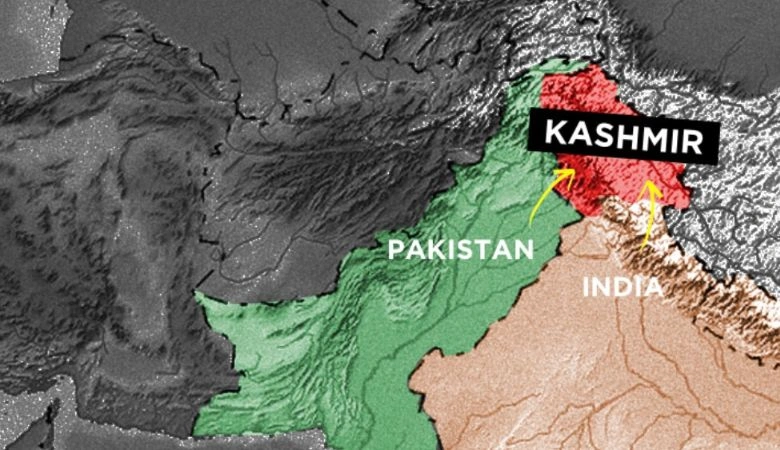
No discussion on South Asian conflict is complete without addressing Kashmir. This contested region remains the heart of India-Pakistan hostilities. While both countries assert sovereign claims, the people of Kashmir often pay the heaviest price—caught in crossfire, subjected to curfews, and suffering from political neglect.
Kashmir is not just a territorial issue; it is a humanitarian and diplomatic crisis that neither military dominance nor temporary ceasefires can resolve. Any hope for lasting peace must pass through honest, inclusive dialogue about its future.
Media, Misinformation, and Public Sentiment
Modern warfare is waged not only on the battlefield but also across social media platforms and national newsrooms. In South Asia, state-backed narratives dominate public discourse, with media often serving national interests.
This environment limits critical debate and fuels public polarization. Misinformation spreads rapidly, turning diplomatic complexities into binary narratives of patriotism versus betrayal. Such sentiment makes de-escalation politically risky and perpetuates cycles of tension.
Looking Forward: Diplomacy as a Strategic Asset
While war offers quick symbolic victories, diplomacy builds lasting stability. South Asia’s future depends not on how battles are fought but on how peace is pursued. Confidence-building measures, regional dialogues, and economic interdependence are crucial.
Both India and Pakistan stand to gain more from stability than from conflict. Peace would enable South Asia to fulfill its promise as an economic powerhouse, a cultural hub, and a geopolitical leader in the Global South.

Conclusion: Reckoning with the Real Costs
The cost of conflict in South Asia is far greater than territory or political points. It is measured in lost opportunities, diplomatic setbacks, regional instability, and human suffering. Strategic gains achieved through war are fleeting; real power comes from the ability to lead nations toward peace.
South Asia stands at a critical juncture. Whether it continues to burn in the fires of rivalry or rises through reconciliation depends on the vision and courage of its leaders—and the will of its people.