


Performance: Power Beneath the Surface
When it comes to raw performance, modern flagship smartphones are essentially pocket-sized powerhouses. Processors like Apple’s A-series Bionic chips and Qualcomm’s Snapdragon 8 Gen 3 deliver blazing-fast speeds, ensuring seamless multitasking and high-end gaming. Combined with generous RAM and advanced cooling systems, these devices handle demanding apps effortlessly. For users prioritizing peak performance, both Apple and Samsung remain top contenders. However, newcomers like Google’s Pixel line and gaming-focused phones such as ASUS ROG are giving them serious competition.

Camera Capabilities: Professional Photography in Your Pocket
Cameras have become a make-or-break feature in flagships. Brands are racing to offer professional-grade photography with multiple lenses, advanced sensors, and AI enhancements.
Apple’s iPhone Pro models excel in color accuracy and video stabilization, making them a favorite for content creators. Samsung’s Galaxy Ultra series, with its astonishing zoom and crisp night mode, offers versatility for every scenario. Meanwhile, Google Pixel devices impress with computational photography that captures stunning shots, even in tricky lighting.
Ultimately, your ideal choice depends on whether you favor natural tones, enhanced AI editing, or cinematic video quality.
Design and Display: Crafting the Ultimate Visual Experience
Flagship phones are as much about aesthetics as they are about technology. Manufacturers use premium materials like ceramic, glass, and aluminum to create devices that feel as good as they look.
Displays have also seen dramatic improvements. AMOLED and LTPO screens with adaptive refresh rates deliver vibrant colors and buttery-smooth scrolling. Samsung leads with its dynamic displays, while Apple’s Super Retina XDR offers unmatched brightness and clarity.
Foldable phones are pushing boundaries too, blending portability with innovation for users craving something different.

Battery Life and Charging Speed: Keeping You Powered Up
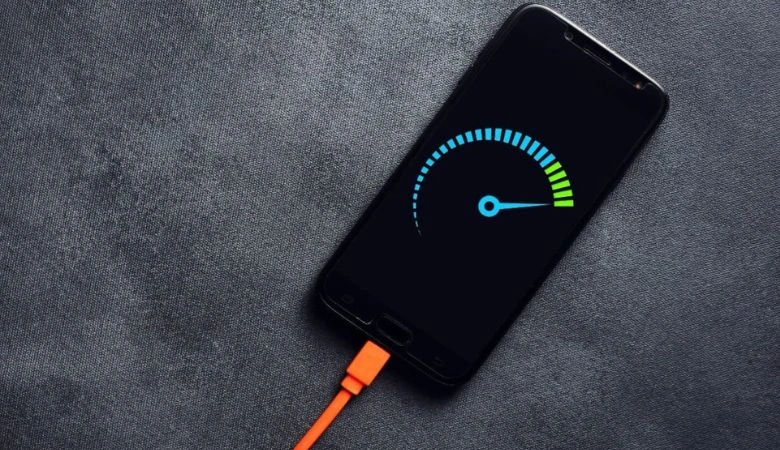
All the innovation in the world means little if your phone can’t last through the day. Fortunately, battery technology has kept pace with power-hungry features. Devices like the OnePlus flagship models impress with rapid charging that powers up to full in under 30 minutes. Meanwhile, Apple and Samsung focus on battery optimization for all-day usage without constant top-ups.
Wireless charging and reverse charging (using your phone to power other devices) have also become standard, adding extra convenience to daily life.
Software Ecosystem: More Than Just the Phone
Beyond hardware, the software experience is crucial. Apple’s iOS offers a tightly integrated ecosystem, ideal for those already invested in Apple devices. Samsung’s One UI and Google’s Pixel software provide Android users with intuitive experiences, frequent updates, and strong customization.
Security updates, cloud integration, and exclusive features such as seamless handoff between devices further elevate the overall user experience.

Innovation Factor: Who’s Pushing Boundaries?
The flagship race isn’t only about refinement — it’s also about bold innovation. Brands like Samsung lead with foldable tech, while Google focuses on AI-driven enhancements, like real-time translation and advanced voice recognition.
Apple remains conservative but consistently delivers polished, user-friendly innovations such as Dynamic Island and
ProMotion displays.
For tech enthusiasts, the winning device may well be the one that dares to try something different.
Conclusion
Choosing the ultimate flagship smartphone isn’t a one-size-fits-all answer. It depends on what you value most: breathtaking camera quality, lightning-fast performance, sleek design, or cutting-edge innovation. Whether you’re loyal to Apple’s ecosystem, excited by Samsung’s adventurous designs, or intrigued by Google’s smart features, today’s flagships offer something for everyone. The true winner? The user who finds the perfect fit for their lifestyle.