


Revisiting Diplomacy: The First Step Toward Dialogue
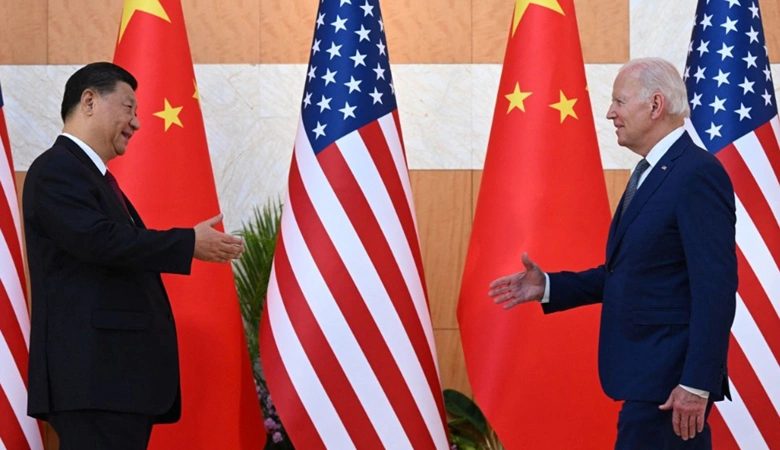
Diplomatic engagement remains the most effective tool to prevent conflict. While India and Pakistan have gone through several rounds of failed talks, diplomacy should not be dismissed as ineffective. Instead, it must be reimagined. Backchannel communications, third-party mediators, and regular bilateral summits can build trust, even when official relations are strained. Historical examples like the Agra Summit or the Lahore Declaration prove that when political will aligns, progress is possible—even if incremental. Reinstating diplomatic ties at full strength, including high commissioners and joint commissions, is essential for reducing misunderstandings and managing crises.
Economic Integration: Peace Through Prosperity
Economic interdependence has served as a peacekeeping mechanism in other global regions, and South Asia could follow suit. Trade between India and Pakistan has declined significantly due to political tensions, but its revival could create mutual economic incentives that outweigh the desire for conflict. Creating special trade corridors, resuming cross-border markets in Kashmir, and investing in joint infrastructure projects could lay the foundation for stability. The shared goal of poverty reduction and economic growth could then reframe the relationship from rivalry to regional partnership.

Cultural and People-to-People Exchanges
While governments clash, people often relate on more human terms. Cultural exchanges—through film, music, literature, and sports—can soften hostilities and promote understanding. Cricket diplomacy and cross-border art festivals have demonstrated how powerful such connections can be. Simplifying visa regimes, promoting academic exchanges, and restoring tourism (especially religious pilgrimage routes) would allow ordinary citizens to build bridges where politicians cannot. Such efforts humanize the "other side" and reduce the dehumanization that war propaganda relies on.

Media Responsibility and Narrative Shift
Media plays a powerful role in shaping public perception. In both India and Pakistan, nationalist narratives often dominate headlines, leaving little space for nuanced dialogue. Reforms in media ethics, cross-border journalism collaborations, and fact-based reporting can reduce sensationalism and foster a more balanced discourse. Encouraging media to highlight peace-building efforts and stories of cooperation—rather than just conflict—can slowly shift public opinion toward reconciliation.

Regional Cooperation and Multilateral Forums
South Asia is part of a broader geopolitical landscape that includes China, Afghanistan, Iran, and the Gulf states. Engaging regional players through organizations like SAARC (South Asian Association for Regional Cooperation) or BIMSTEC can bring pressure and support for peaceful initiatives. Although SAARC has been largely inactive due to Indo-Pak tensions, reviving it with a clear mandate for conflict resolution and regional development could be a turning point. International support—whether from the UN, OIC, or ASEAN—can reinforce these efforts without overshadowing local agency.

Education and Peace Literacy
Long-term peace is impossible without changing mindsets. Introducing peace education in schools, especially in conflict-prone regions like Kashmir, can help the next generation see cooperation as more valuable than enmity. Programs that teach conflict resolution, tolerance, and critical thinking can prepare future leaders for dialogue over aggression. Youth-led initiatives, digital platforms, and interfaith dialogues can also play a role in challenging entrenched hostilities and replacing them with shared goals for a better future.
Conclusion: A Choice, Not a Destiny
The road to war is often paved with fear, pride, and political pressure. But history has shown that nations can—and do—choose peace when the costs of conflict become too high. For South Asia, with its complex past and shared futures, peace is not a utopian dream but a necessary pursuit. India and Pakistan must decide whether to remain trapped in a cycle of violence or to invest in a future defined by dialogue, cooperation, and mutual respect. The tools are available. The question is: do they have the courage to use them?