


The Flashpoint: A Deadly Attack in Kashmir
The immediate trigger for the current conflict was a deadly militant attack in Indian-administered Kashmir. According to Indian officials, a convoy of soldiers was ambushed, resulting in numerous fatalities. The Indian government swiftly accused Pakistan-based groups of orchestrating the assault, claiming cross-border support and intelligence complicity.
Pakistan, as in past episodes, denied involvement and called for restraint. But the scale and symbolism of the attack made diplomatic de-escalation nearly impossible. The Indian public demanded swift retaliation, and within days, military responses began to unfold.
Retaliation and Rapid Escalation
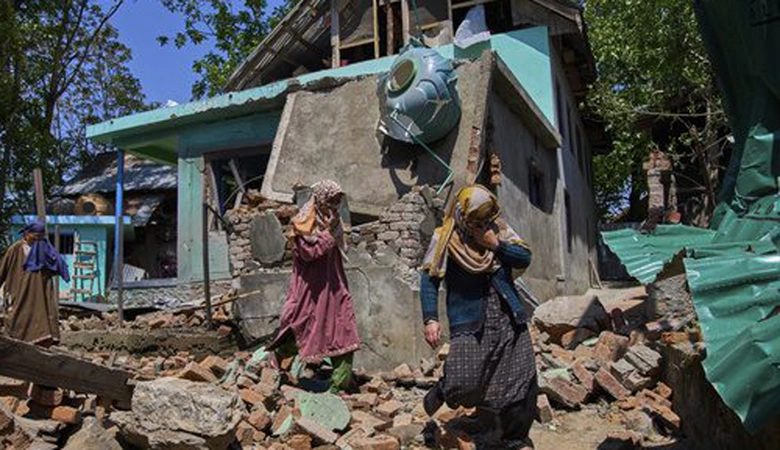
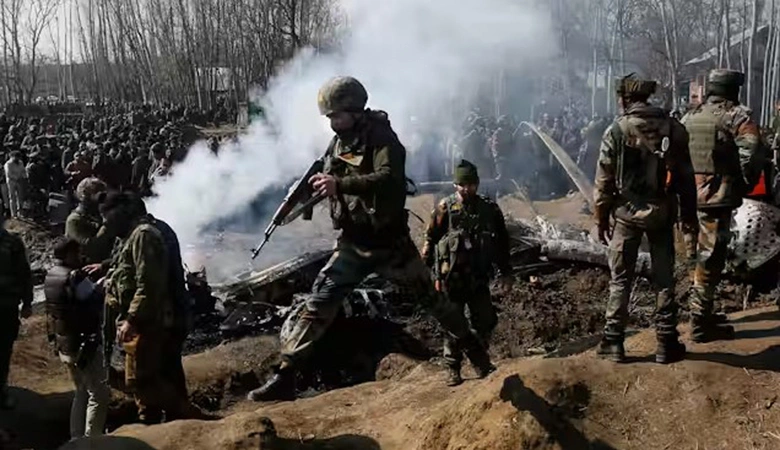
India’s military response came in the form of targeted airstrikes on what it described as militant camps across the Line of Control. Pakistan quickly retaliated, engaging Indian aircraft and launching its own cross-border operations. The rapid exchange of fire—both on the ground and in the air—transformed a single incident into a full-scale conflict.
Each side framed their actions as defensive, yet the rhetoric grew increasingly combative. Civilians near the border regions were evacuated. Airspaces were closed. Military forces were mobilized. The cycle of retaliation overshadowed any immediate calls for peace.
Political Climate Fuels the Fire
Both governments are operating under intense domestic pressure. In India, a wave of nationalism swept across the country, with leaders rallying support through promises of security and decisive action. In Pakistan, the military and government reaffirmed their national defense posture, declaring they would meet aggression with equal force.
This political climate made it nearly impossible for either side to back down without appearing weak. Leaders on both fronts leveraged the crisis for political capital, even as the danger to civilian lives mounted.
Kashmir: The Root of the Crisis
At the core of the conflict lies the unresolved issue of Kashmir. Since the partition in 1947, both nations have laid claim to the region, leading to three wars and countless skirmishes. The Indian government's 2019 decision to revoke Jammu and Kashmir’s special status only deepened the rift, further alienating Pakistan and Kashmir’s Muslim-majority population.
The recent attack and subsequent war reflect not just a new trigger but a decades-old wound that remains unhealed. Until a sustainable political solution is sought, Kashmir will continue to serve as a flashpoint.
Diplomatic Reactions and Global Concern
The international response to the latest war has been swift and urgent. The United Nations, the United States, and other global powers have called for de-escalation. With both countries possessing nuclear weapons, the prospect of the conflict expanding beyond conventional warfare has alarmed diplomats and analysts worldwide.
Behind the scenes, multiple countries have offered to mediate, but with trust at an all-time low, both India and Pakistan remain focused on military objectives rather than negotiation.
The Cost of Conflict
As the war rages on, the human and economic toll is mounting. Civilians in border regions face displacement, fear, and destruction. Infrastructure is damaged, schools are closed, and daily life is paralyzed. Both economies are reeling from the uncertainty, with investor confidence shaken and international trade disrupted.
Beyond the battlefield, the cost of conflict is measured in lives disrupted, communities divided, and the hope for peace further delayed.
A Crisis with Global Implications
While the conflict is geographically contained, its consequences are global. India and Pakistan are both key players in the South Asian region, and instability between them has the potential to affect global supply chains, geopolitical alliances, and international security dynamics.
The war is not just a regional issue—it’s a warning of how unresolved disputes and rising nationalism can spiral into conflict in an already volatile world.
Conclusion
India and Pakistan have found themselves at this crossroads before—each time with higher stakes, deeper wounds, and fewer offramps. The latest conflict is not merely a response to a single event, but the outcome of decades of distrust, unaddressed grievances, and political brinkmanship.
If history is to stop repeating itself, the cycle must be broken not through bombs, but through bold diplomacy, honest dialogue, and lasting solutions. Until then, the flames along the border may die down, but the tensions beneath will continue to smolder.