


Step 1: Define Your Goals
The foundation of any fitness plan starts with understanding your objectives. Are you looking to lose weight, gain muscle, improve endurance, or enhance flexibility? Clearly defining your goals will help you choose the right exercises and measure your progress..

Step 2: Assess Your Current Fitness Level
Understanding where you stand physically is crucial for setting realistic expectations. Evaluate your endurance, strength, and flexibility through simple tests like walking a mile, performing push-ups, or trying basic stretches. This assessment helps you identify areas to focus on while avoiding injury.
Step 3: Choose Activities You Enjoy
TConsistency is the key to any fitness routine, and enjoyment plays a significant role in staying motivated. Whether you prefer running, yoga, dancing, swimming, or weightlifting, selecting activities you like will make it easier to stick to your plan.
Step 4: Determine Frequency and Duration
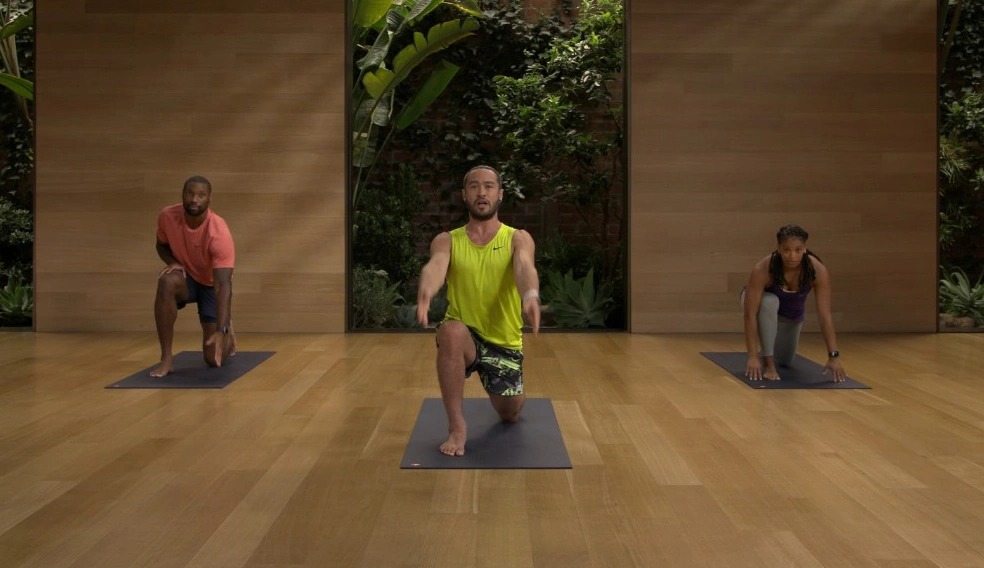
Decide how often and how long you can realistically commit to working out. A balanced routine typically includes 3-5 sessions per week, lasting 30-60 minutes each. Factor in your schedule and adjust as needed to avoid burnout.

Step 5: Incorporate Variety
A well-rounded fitness plan includes different types of exercises to target various aspects of health. Combine cardiovascular activities for heart health, strength training for muscle development, and flexibility exercises for improved mobility. Mixing things up also prevents boredom and reduces the risk of plateaus.

Step 6: Progress Gradually
Start with manageable intensity levels and gradually increase as your fitness improves. This approach minimizes the risk of injury and keeps your body challenged. Track your progress by noting changes in strength, endurance, or body composition over time.

Step 7: Prioritize Rest and Recovery
Rest days are just as important as workout days. Your muscles need time to repair and grow stronger. Include at least one or two rest days per week, and listen to your body’s signals to avoid overtraining.

Step 8: Monitor and Adjust
As your fitness level changes, so should your plan. Reassess your goals and progress every few weeks, making adjustments to intensity, frequency, or exercise types as needed. Staying flexible ensures your plan remains effective and aligned with your evolving needs.

Conclusion
A personalized fitness plan is not one-size-fits-all; it reflects your individuality and empowers you to take control of your health. By considering your goals, preferences, and lifestyle, you create a roadmap that’s enjoyable, sustainable, and effective. Begin your journey today and discover the lasting benefits of a fitness routine tailored just for you.