

Historical Ties and Shifting Loyalties
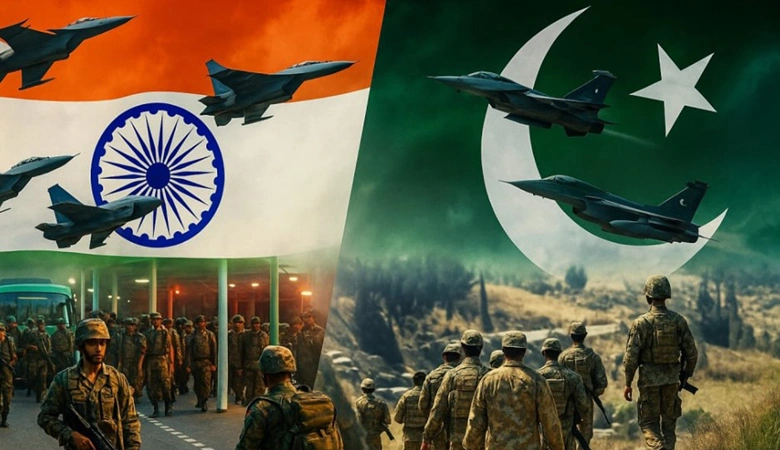
Traditionally, global alignment in South Asian conflicts followed familiar paths. Russia shared strong defense ties with India. China, while officially neutral, leaned toward Pakistan in strategic interests. The United States walked a diplomatic tightrope, calling for peace while arming both sides at different times. But this time, the calculus is changing. India’s growing economic clout and strategic alignment with Western democracies have made it a more critical partner to countries like the U.S., France, and Australia. Pakistan, meanwhile, has tightened its relationships with China and some Gulf nations. The result is a more polarized, fragile diplomatic landscape.
The Quad’s Quiet Signals
India’s role in the Quadrilateral Security Dialogue (the Quad), alongside the United States, Japan, and Australia, is under close scrutiny. While the Quad’s official stance is to promote a “free and open Indo-Pacific,” its silence—or support—during the current conflict is being interpreted as indirect alignment. This war is testing how far members of the Quad are willing to go in backing India without escalating tensions with China, which has its own interests in both Pakistan and the broader region. If the Quad does tilt more openly in India’s favor, it may accelerate global bifurcation between Western-aligned and China-aligned blocs.

China’s Strategic Gamble
China’s role has moved beyond the passive partner it was in earlier decades. With investments in the China-Pakistan Economic Corridor (CPEC) and broader goals tied to the Belt and Road Initiative (BRI), Beijing has a vested interest in supporting Pakistan, at least diplomatically and economically. But open support for Pakistan risks pushing India further into Western strategic arms and might ignite confrontations along the disputed China-India border. China now finds itself balancing its rivalry with India, its alliance with Pakistan, and its global reputation.

Russia's Balancing Act
Russia’s position is more complex. Historically a strong defense partner of India, Moscow now also enjoys growing military cooperation with Pakistan, particularly in counterterrorism. As global polarization sharpens, Russia is attempting to retain influence with both countries. However, its continued war in Ukraine, strained relations with the West, and reliance on China make it harder for Russia to play mediator. Its balancing act is becoming increasingly untenable.
The Middle East’s Subtle Shift
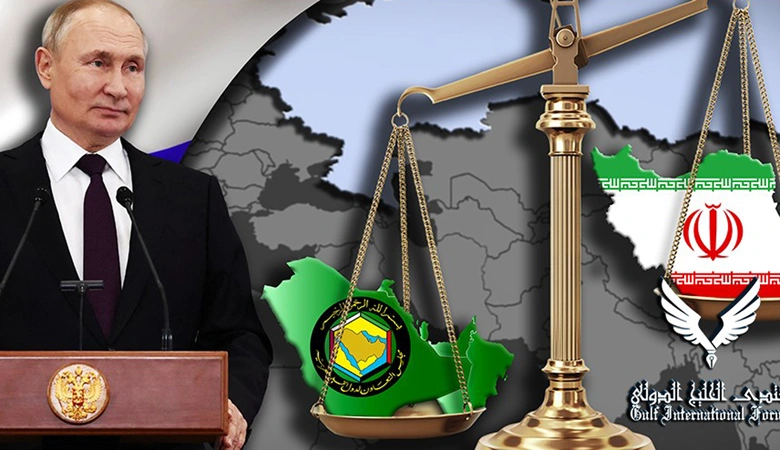
The Gulf states, particularly the UAE and Saudi Arabia, have long tried to act as neutral peace brokers between India and Pakistan. But recent economic partnerships—like India’s involvement in energy projects and strategic connectivity routes—have drawn these countries closer to New Delhi. Meanwhile, Pakistan's traditional support from countries like Turkey and Qatar remains intact. The Middle East is not united in its approach, further complicating the geopolitical picture and fragmenting influence in the region.
Europe’s Quiet Concern
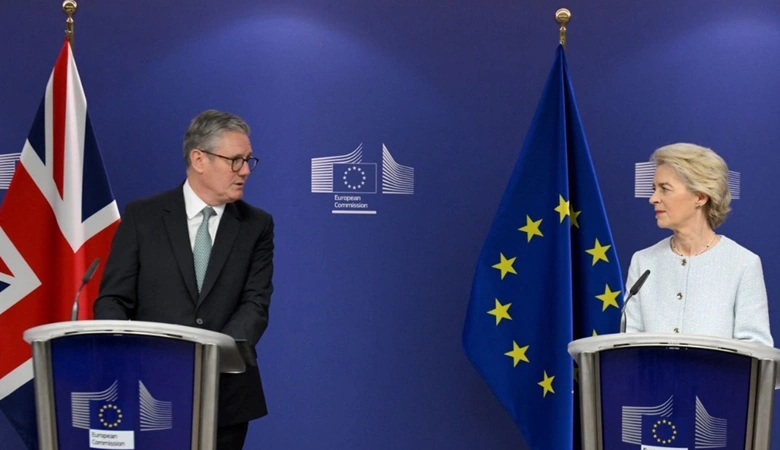
While Europe has historically taken a more muted stance in South Asian affairs, the war has captured the EU’s attention due to its global economic implications. Disruptions in trade routes, the potential use of nuclear rhetoric, and increased refugee flows have made the conflict impossible to ignore. France has reaffirmed its defense ties with India, while the UK, with its historical links to both nations, is attempting cautious diplomacy. The EU collectively continues to call for restraint, but individual member states are aligning according to their strategic interests.
Global Institutions Under Pressure
The conflict has also tested the relevance of global institutions like the United Nations. So far, UN resolutions have failed to curb the escalation. The Security Council remains paralyzed by the veto powers of permanent members who back either India or Pakistan. This diplomatic deadlock reflects the growing inefficacy of multilateral systems to resolve modern conflicts when powerful nations are invested on both sides.
A Reordering of Strategic Partnerships
The longer the conflict continues, the more it reshapes existing alliances. Defense pacts are being reevaluated. Intelligence-sharing networks are shifting. Countries are making hard choices about whom to support—not only based on ethics or legality but economic and strategic self-interest. New partnerships may emerge in unexpected places: smaller countries in Southeast Asia, Africa, and Latin America are watching carefully and aligning themselves based on future prospects and economic dependencies.

Conclusion: A War Beyond Borders
What happens between India and Pakistan no longer stays confined to South Asia. The current war is a litmus test for the global order—one that forces powerful nations to reveal where they stand and why. It challenges the existing web of alliances and opens space for new diplomatic equations. As the battlefield evolves, so too does the world’s geopolitical map. In a war driven by history but fueled by present-day ambitions, the question is not just who will emerge victorious—but who will stand beside them when the dust settles.