

Understanding the Gut Microbiome
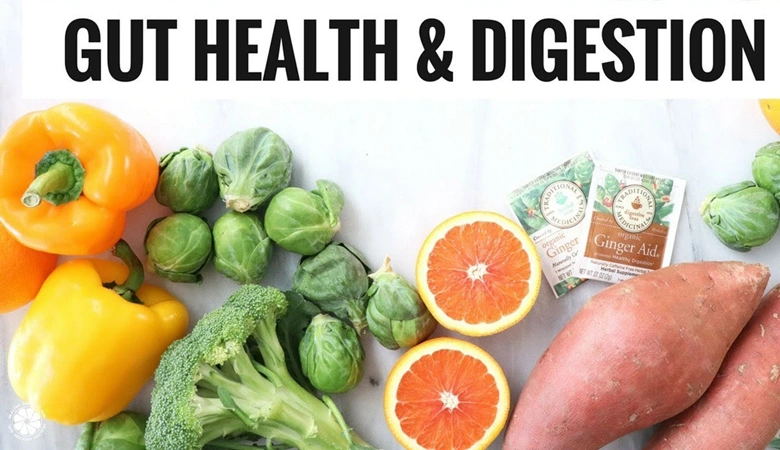
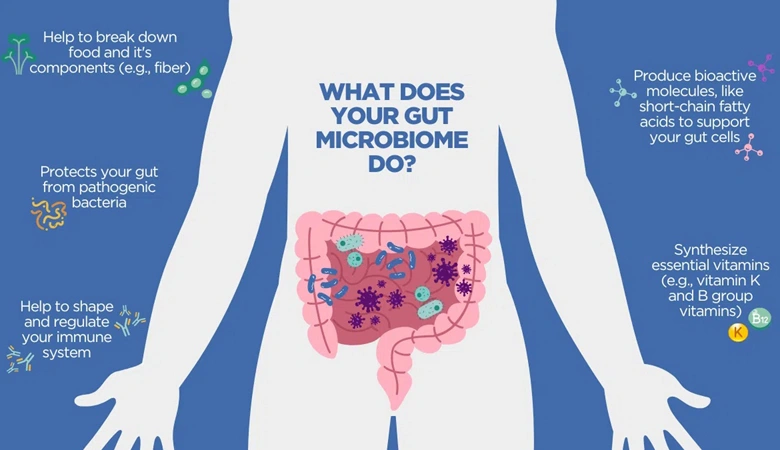
Inside your digestive tract lives a complex community of bacteria, fungi, and other microbes known as the gut microbiome. Think of it as a microscopic ecosystem working behind the scenes. A healthy microbiome is diverse and well-balanced, with more “good” bacteria than harmful ones. These microbes help break down food, produce vitamins, fight off pathogens, and even influence your mental health through the gut-brain connection.
Why Gut Health Matters
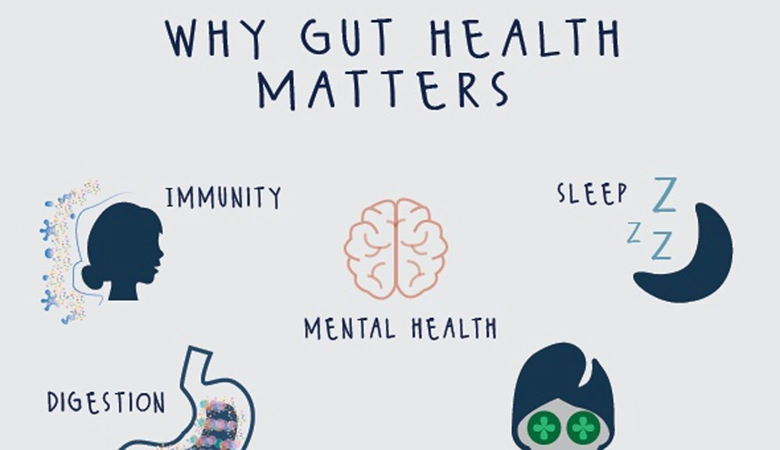
When your gut is out of balance—due to stress, poor diet, or antibiotics—you might experience issues like bloating, fatigue, skin breakouts, mood swings, or a weakened immune system. Emerging research also links poor gut health to chronic conditions like obesity, type 2 diabetes, autoimmune diseases, and depression. In short, if your gut isn’t thriving, your whole body could suffer.
The Diet-Gut Connection
Everything you eat directly impacts your gut. Diets high in processed foods, refined sugar, and artificial additives can harm your microbiome and encourage the growth of bad bacteria. On the flip side, fiber-rich whole foods feed the good bacteria and help your digestive system function properly. What you choose to put on your plate can either heal or harm your gut environment.
Fiber is Your Gut’s Best Friend
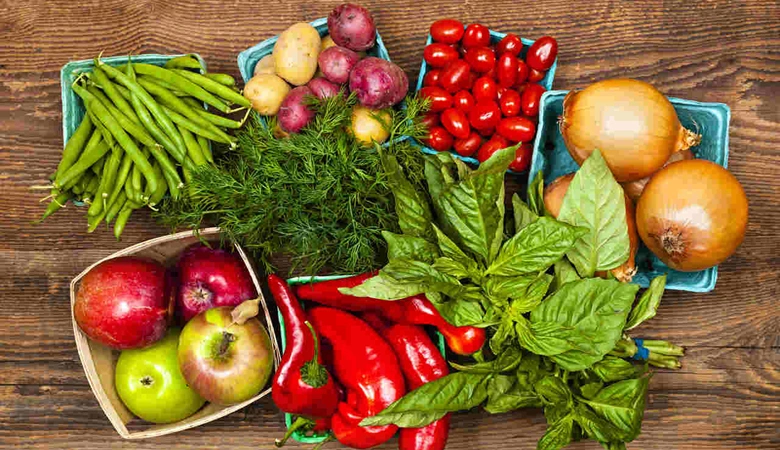
Fiber is fuel for your gut’s beneficial bacteria. Found in fruits, vegetables, legumes, and whole grains, fiber helps regulate digestion and supports microbial diversity. Soluble fiber, in particular, creates a gel-like substance that slows digestion and helps regulate blood sugar, while insoluble fiber keeps things moving through your system. Both types are essential for a happy gut.
Probiotics: The Good Guys You Should Welcome
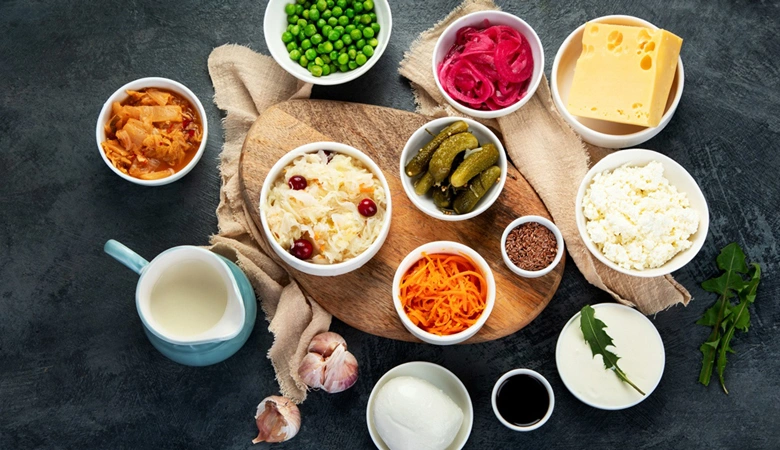
Probiotics are live bacteria found in fermented foods like yogurt, kefir, kimchi, sauerkraut, and miso. These beneficial microbes can help restore balance in your gut, especially after illness or antibiotics. While you can take probiotic supplements, incorporating probiotic-rich foods into your daily routine is a natural and effective way to support your gut flora.
Prebiotics: Food for the Good Bacteria
Prebiotics are non-digestible fibers that feed the good bacteria already living in your gut. Foods like garlic, onions, leeks, asparagus, and bananas are great natural sources. When combined with probiotics, prebiotics help build a strong and stable microbial community—often referred to as a "synbiotic" effect.
Stay Hydrated to Support Digestion
Water doesn’t just quench your thirst—it also aids digestion by helping break down food and move waste through your intestines. Dehydration can lead to constipation and an unhealthy gut environment. Make hydration a habit by sipping water throughout the day and avoiding excessive caffeine or sugary drinks.

Limit Inflammatory Foods
Certain foods—like processed meats, refined sugars, trans fats, and excessive alcohol—can inflame the gut lining and disrupt microbial balance. While occasional indulgence is fine, keeping these foods to a minimum can help reduce bloating, discomfort, and long-term damage.
Listen to Your Gut (Literally)
Your body often sends signals when something isn’t quite right. Frequent digestive issues, fatigue, or skin problems might be signs that your gut needs attention. Start tracking how your body feels after certain meals. Over time, you’ll develop a better understanding of what nourishes or irritates your gut.
Conclusion
Taking care of your gut is one of the most powerful ways to support your overall well-being. Through simple dietary shifts—adding more fiber, staying hydrated, and enjoying fermented foods—you can build a strong foundation for better digestion, immunity, and mental clarity. After all, good health really does start in the gut.