

What Is a Domain Name?
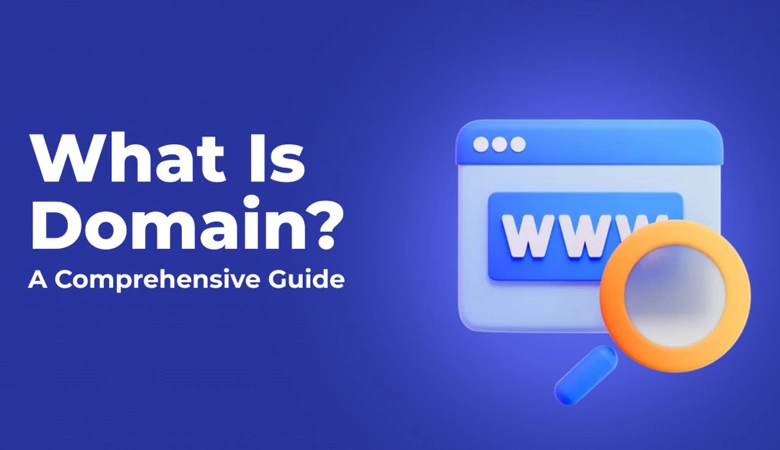
A domain name is your website’s address on the internet. It’s what people type into their browser to find you, like www.yoursite.com. Without a domain, visitors wouldn’t be able to locate your site easily. In simple terms, your domain name acts like the street address of your house. It's how people find where you live online. Every domain is unique and needs to be registered through a domain registrar such as GoDaddy, Namecheap, or Google Domains.
What Is Web Hosting?
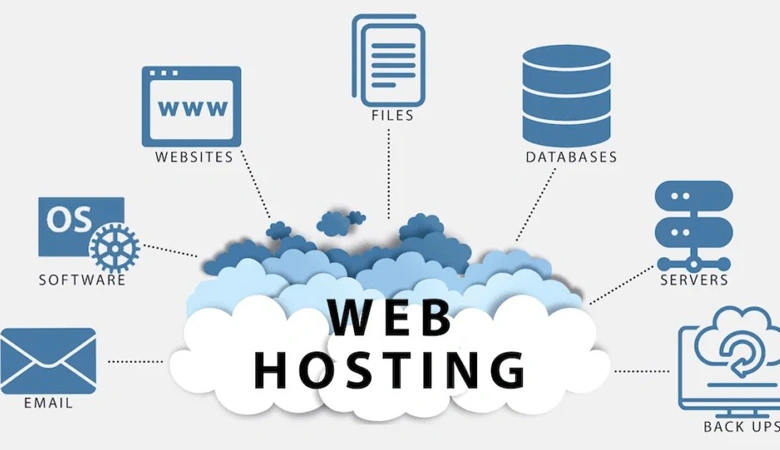
Web hosting, on the other hand, is where your website actually lives. It’s a service that provides the storage space and technology needed to display your website on the internet. This includes all your images, files, text, and design elements. Think of hosting as the actual house where your website "lives." While the domain name points people to your site, the hosting makes sure there’s something there to show when they arrive. Web hosting companies own powerful servers where your website’s files are stored. Some of the popular hosting providers include Bluehost, Hostinger, SiteGround, and DreamHost.
How Domains and Hosting Work Together
Even though they’re different, domains and hosting need to work together for your website to function properly. When someone enters your domain name into their browser, the domain connects to your hosting server. The server then sends the stored website files to the browser so the visitor can see your site. You can buy a domain and hosting from the same company, or you can purchase them separately and connect them using your hosting control panel.
Why You Need Both to Launch a Website
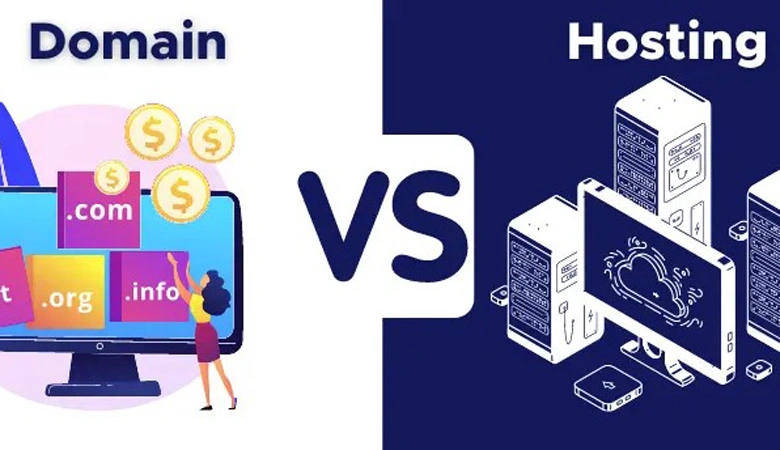
To have a fully functional website, you need both a domain name and a hosting service. A domain without hosting won’t display a website, and hosting without a domain is like a house without an address—nobody can find it. Together, they form the foundation of your online presence. Whether you’re starting a blog, opening an online store, or showcasing a portfolio, you’ll need both components to reach your audience.

Choosing the Right Setup for Beginners
If you’re just starting out, the easiest route is to buy both the domain and hosting from the same provider. Many web hosts offer domain registration as part of their packages—sometimes even free for the first year. Look for providers that offer user-friendly control panels, one-click website builders or WordPress installs, and 24/7 customer support. These features make the setup process much smoother, especially for non-tech-savvy users.

Can You Change Hosting or Domains Later?
Yes, you can. If you buy a domain from one company and decide to switch to another hosting provider later, you can move your domain to point to the new host. Likewise, you can transfer your domain to a different registrar if needed. This flexibility allows you to scale your website as your needs grow, without being locked into one service forever.

Conclusion
In summary, your domain name is your website’s address, and your hosting is its home. Both are essential, and understanding their roles helps you make smarter decisions when launching your website.
By knowing how domain names and web hosting work together, you’re one step closer to creating a professional, functional, and accessible online presence. And once you’ve got these two pieces in place, you’re ready to start building your website and sharing it with the world.