


What Does a Michelin Star Actually Mean?
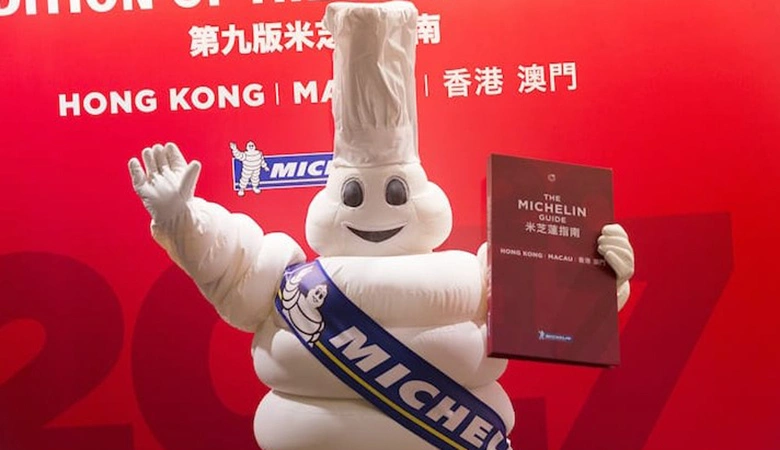
Before diving into the experience itself, it’s important to understand what a Michelin star represents. The Michelin Guide awards stars to restaurants for the quality of their cuisine, mastery of technique, personality of the chef in the dishes, value for money, and consistency across visits. • One star means “a very good restaurant in its category.” • Two stars mean “excellent cooking, worth a detour.” • Three stars? That’s “exceptional cuisine, worth a special journey.” It’s not about luxury or decor—it’s purely about the food.
The Experience: From Service to Atmosphere
Dining at a Michelin-starred restaurant is rarely just about what’s on the plate. From the moment you walk in, you’re often met with impeccable service, carefully curated ambiance, and a sense of being truly cared for. You might find white tablecloths and silent service—or a more modern, casual setting with an open kitchen and an enthusiastic team walking you through the tasting menu. Either way, there’s an attention to detail that goes far beyond the norm. Every dish tells a story, every wine pairing is intentional, and every course builds toward a larger experience.

The Price Tag: Is It Justified?
Let’s be honest—Michelin-starred dining can be expensive. Multi-course tasting menus can range from modestly priced (in lesser-known cities or single-star establishments) to several hundred dollars per person at three-star venues. But what are you paying for? You’re not just paying for ingredients—you’re paying for artistry, experimentation, and the years of training behind each dish. For some, it’s a once-in-a-lifetime splurge. For others, it’s an investment in a memorable culinary journey. Whether it feels “worth it” often depends on your personal values, expectations, and how you define a great meal.

The Food: Flawless or Overthought?
This is where opinions diverge. Some diners are blown away by the creativity, precision, and flavor profiles of Michelin-starred cuisine. Others may find it too experimental or feel like the food is more about form than function. While dishes often look like art, the best Michelin meals also deliver comfort, surprise, and joy with every bite. However, expectations are high—and not every experience will resonate with every diner. It’s worth going in with curiosity rather than comparison.
Are There Michelin-Level Meals Without the Star?
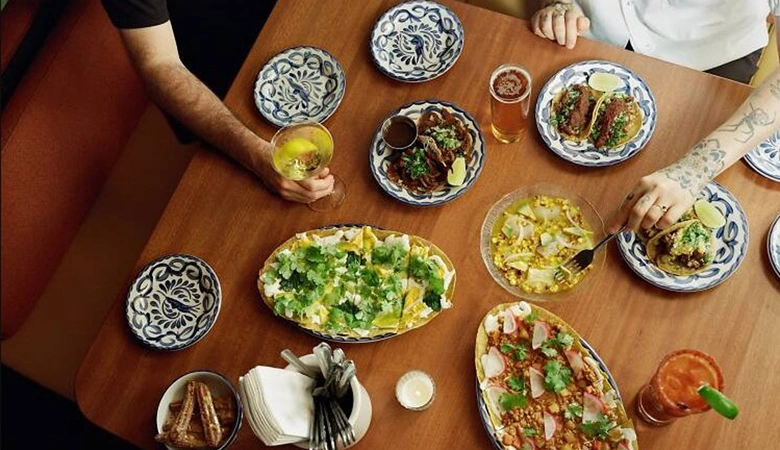
Yes, absolutely. Plenty of extraordinary meals can be found in non-starred restaurants, street food stalls, or home kitchens. Some chefs even reject the star system to maintain creative freedom. That said, a Michelin star is a globally recognized sign of culinary excellence and precision—an assurance of quality, but not the only mark of it.
Who Should Try It (and Who Might Skip It)
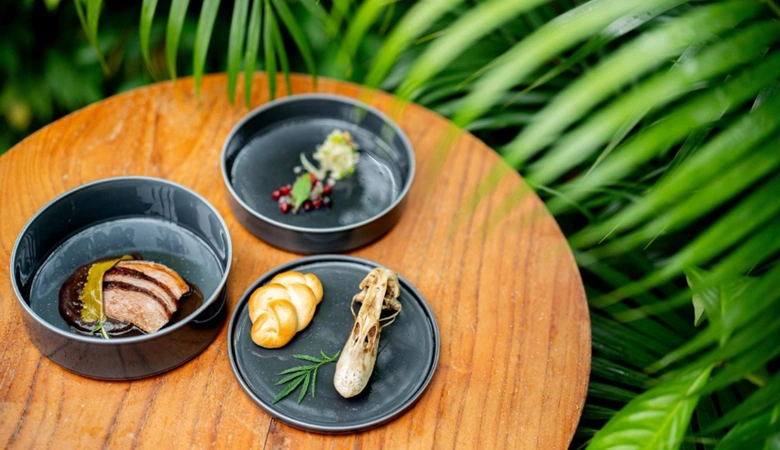
If you’re an adventurous eater, a lover of detail, or someone who finds joy in storytelling through food, a Michelin-starred meal is a must-try. It can be an unforgettable blend of art, science, and flavor. However, if you prefer hearty comfort food, generous portions, and casual vibes, the experience may feel more restrictive than rewarding. The best dining experiences are the ones that speak to your palate—not just your bucket list.
The Final Verdict: Hype or High Art?
Is dining at a Michelin-starred restaurant worth it? It can be—if you're looking for more than just a meal. These restaurants offer something immersive, thoughtful, and often emotional. For some, it's the peak of culinary appreciation. For others, it’s an expensive curiosity. Either way, it’s an experience that teaches you to savor food differently—and that alone might be worth the hype.