
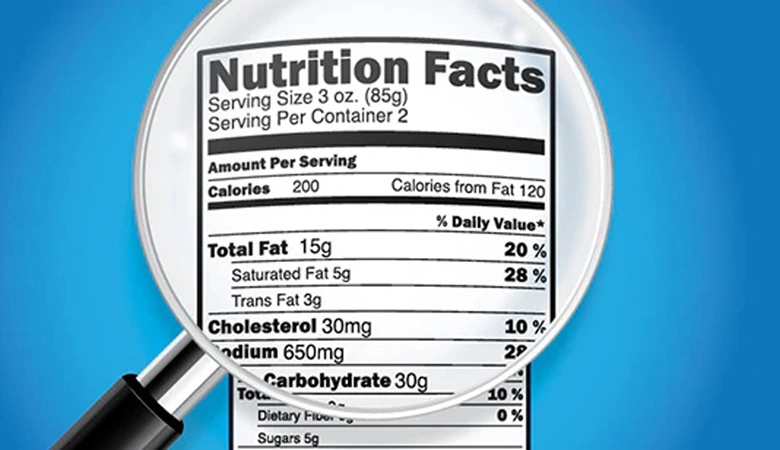

Start with the Nutrition Facts Panel
The nutrition facts panel is your go-to for understanding the overall nutritional value of a product. Start by checking the serving size at the top—it sets the baseline for all the numbers that follow. A product might look low in calories, but if the serving size is unrealistically small, you could be consuming double or triple what’s listed.
Right below that, you'll find key nutrients like calories, fat, carbohydrates, protein, sugar, and sodium. Pay close attention to the added sugars and sodium levels, which are often surprisingly high in processed foods.
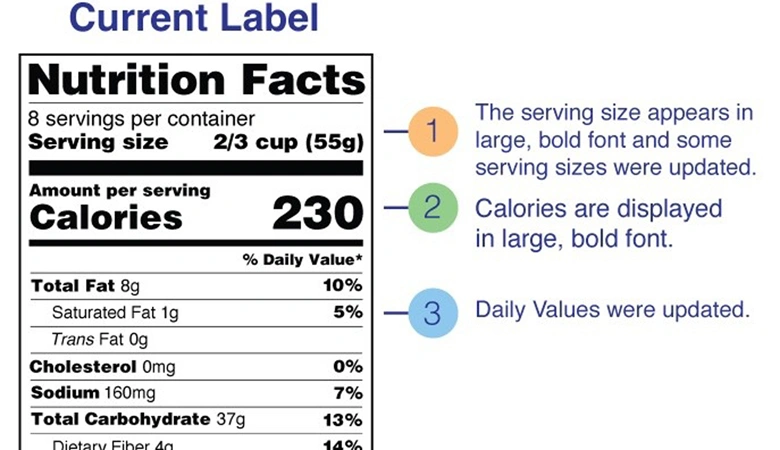
Look Beyond the Numbers
Calories and carbs don’t tell the full story. Understanding where those numbers come from is just as important. For example, 100 calories from a sugary cereal don’t nourish your body the same way 100 calories from oats do. Focus on nutrient-dense foods with fiber, vitamins, and protein rather than just going low-calorie.
Also, note the percent daily values (%DV)—they help you understand how a food fits into a 2,000-calorie daily diet. A good rule of thumb: 5% or less is low, 20% or more is high.
Ingredients: The Real Truth Tellers
Ingredients are listed in order of quantity, from most to least. If sugar, refined flour, or oil shows up at the top, you’re likely looking at a highly processed product. Simpler is better. Look for short lists with ingredients you recognize—like oats, almonds, or olive oil.
Watch out for sneaky names. Sugar alone has dozens of aliases, including high-fructose corn syrup, cane juice, maltose, and dextrose. The more versions of sugar in the ingredient list, the more likely the product is high in it overall.
Don't Be Fooled by Buzzwords
Words like "natural," "multigrain," "light," or "low-fat" can be misleading. They sound healthy but don’t always reflect the true nutritional value. For instance, "natural" isn’t regulated and doesn’t guarantee a product is free from additives or preservatives. "Multigrain" might just mean a mix of refined grains unless it says "whole grain." Check the ingredient list and nutrition facts to back up any health claims made on the front of the packaging.
Allergens and Dietary Preferences
If you have allergies or dietary restrictions, the food label is your best friend. By law, common allergens like milk, eggs, peanuts, tree nuts, wheat, soy, fish, and shellfish must be clearly listed. You’ll often find a “contains” statement below the ingredient list. If you're avoiding gluten, dairy, or animal products, reading the fine print is essential.
Watch Out for Preservatives and Additives
Food labels can also help you avoid artificial preservatives, colorings, and flavorings. While not all additives are harmful, many people choose to steer clear of ingredients like sodium nitrite, MSG, and artificial dyes. Look for clean-label products with whole food ingredients if you're aiming for a more natural diet.
The Bottom Line: Read, Don’t Rely
Food packaging is designed to sell—not to educate. That’s why it’s important to read beyond the marketing and understand what you’re really putting into your body. Once you get into the habit of checking ingredients and nutrition facts, making healthier choices becomes second nature. Eating well starts at the store, and the label is your map. Use it wisely.