

Start with the Right Shade Selection
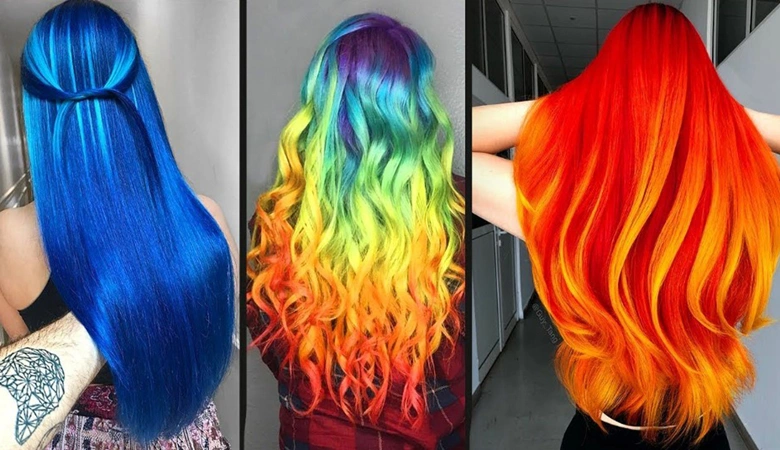
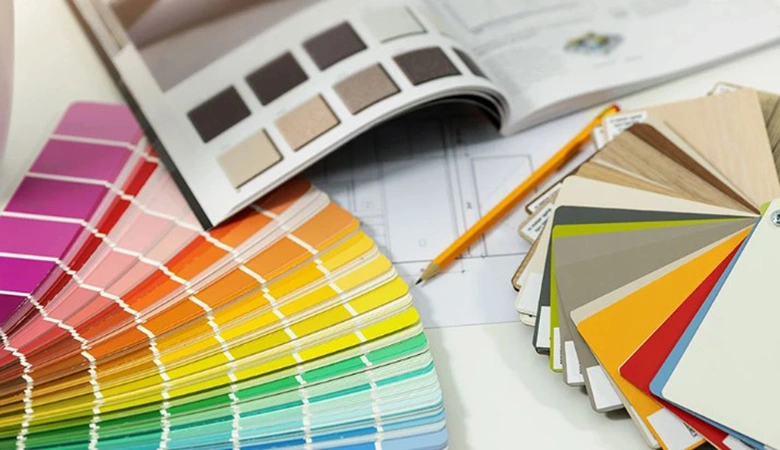
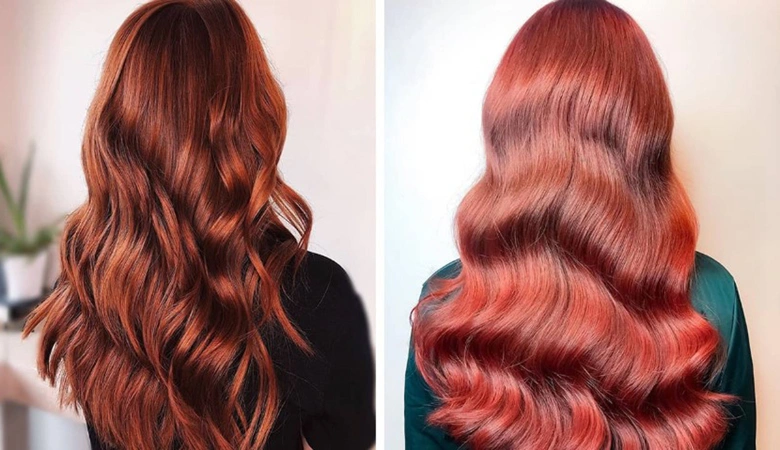
The foundation of successful at-home coloring is choosing the right shade. Experts recommend staying within two shades lighter or darker than your natural hair color for the most flattering and manageable results. If you’re unsure, opt for a slightly lighter tone, as it’s easier to deepen the color later than to correct an overly dark result. Pay attention to undertones — warm, cool, or neutral — to complement your skin tone beautifully.
Prepare Your Hair and Workspace
Healthy hair takes color better and holds it longer. A few days before coloring, skip washing to let natural oils build up and protect your scalp. Gather all necessary tools in advance: gloves, clips, an old towel, petroleum jelly to protect your skin, and a wide-tooth comb for even application. Preparing your space and hair helps ensure a smooth, stress-free process.

Perform a Strand and Patch Test
Before you commit to full application, always perform a strand test to preview the final color result. This helps you adjust timing if necessary and avoids surprises. Equally important is a patch test to check for potential allergic reactions. Apply a small amount of dye to a discreet area of skin and wait 24 hours for any signs of irritation.
Section Your Hair for Precise Application
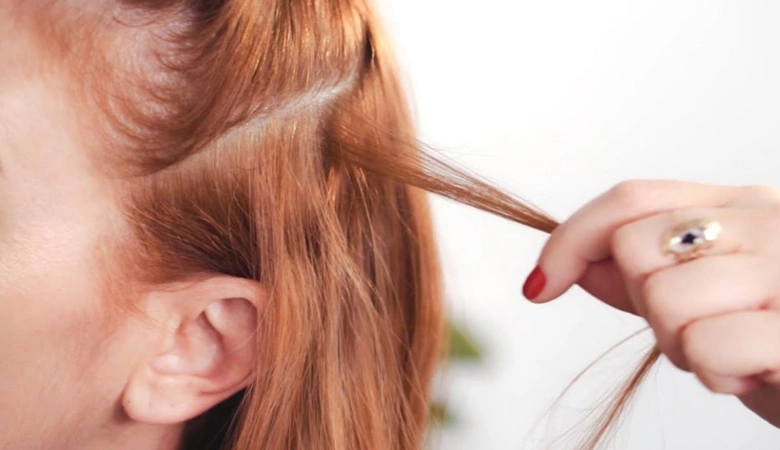
For even, professional-looking coverage, work in small, manageable sections. Divide your hair into four quadrants and secure each with clips. This ensures you don’t miss any areas and allows for better control, especially if you’re working with long or thick hair.
Apply Color with Confidence
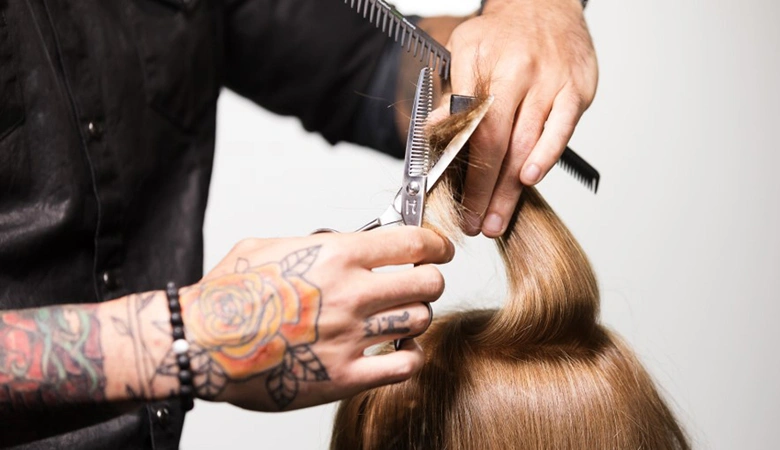
Begin applying the color at the roots, where regrowth is most visible and needs the longest processing time. Use a brush for precision and saturate each section thoroughly. Work methodically from roots to ends, making sure every strand is coated evenly. Take your time — rushing can lead to patchy results.

Mind the Processing Time
Follow the manufacturer’s instructions carefully when it comes to processing time. Leaving the dye on too long can lead to over-processed, dry hair, while rinsing too early may result in uneven or faded color. Set a timer to stay on track, and avoid multitasking during this crucial step.

Rinse and Condition with Care
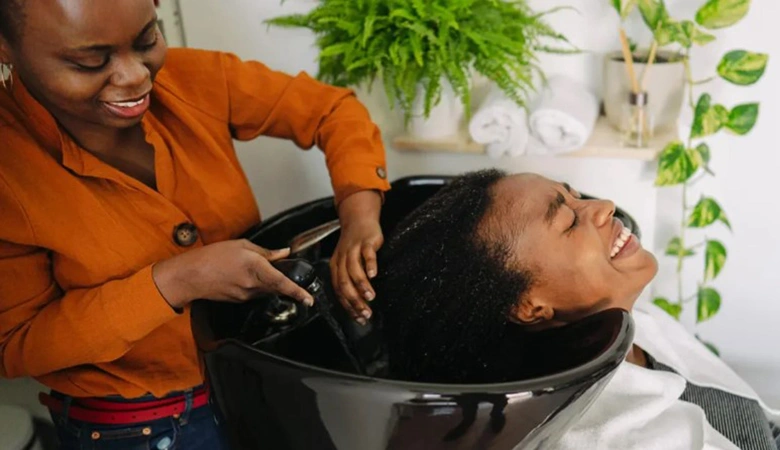
When the time is up, rinse your hair with lukewarm water until the water runs clear. Skip shampooing immediately after coloring, and instead apply the conditioner that comes with your dye kit. This helps seal the cuticle, lock in color, and restore moisture to your strands.
Maintain Your Color for Longevity
To extend the life of your new color, switch to sulfate-free, color-safe shampoos and conditioners. Limit heat styling and sun exposure, both of which can fade color faster. Regular deep conditioning treatments will keep your hair healthy and vibrant between coloring sessions.
Conclusion
Coloring your hair at home doesn’t have to be daunting. With the right preparation, techniques, and aftercare, you can achieve stunning, salon-worthy results from your own bathroom. Take your time, trust the process, and enjoy the creative freedom of DIY hair color. Your perfect shade awaits!