
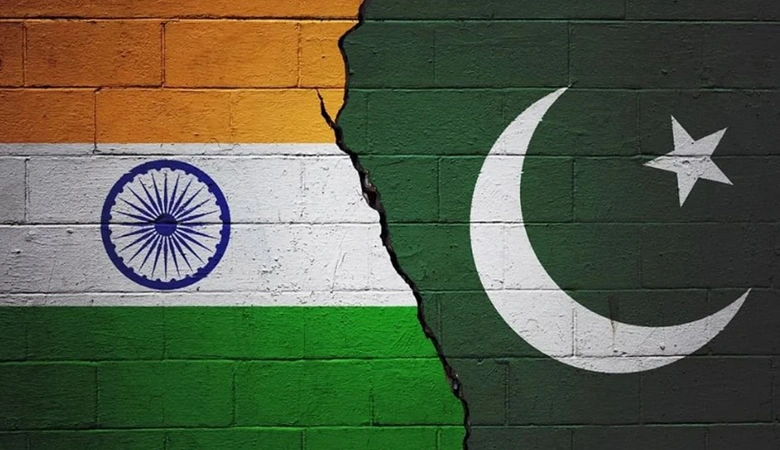

Civilians on the Frontline
Border villages along the Line of Control (LoC) between India and Pakistan often bear the brunt of artillery exchanges and aerial bombardments. These communities—comprised of farmers, herders, and small business owners—suddenly become frontline zones overnight. Families are forced to abandon their homes, sometimes with only minutes to spare. Schools are closed indefinitely. Markets are shuttered. What was once a peaceful countryside becomes a warzone. Generations who have lived on these ancestral lands are uprooted, with little clarity on when—or if—they can return.
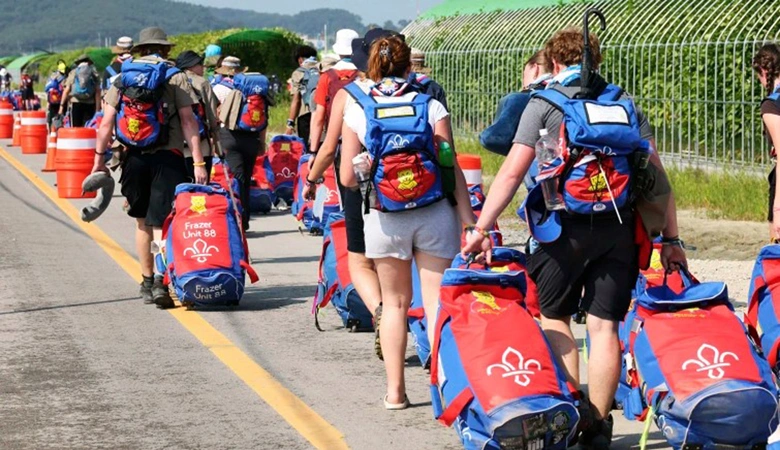
The Crisis of Displacement
With every fresh outbreak of violence, thousands are displaced. Makeshift camps emerge with limited shelter, food, or medical supplies. For women and children, the trauma is especially severe. Access to education, sanitation, and healthcare becomes nonexistent in these chaotic settings. Displacement also brings long-term instability. Children miss years of schooling, families lose their livelihoods, and entire communities are economically crippled. The cycle of poverty deepens with every flare-up of hostilities, and recovery is painfully slow—if it happens at all.
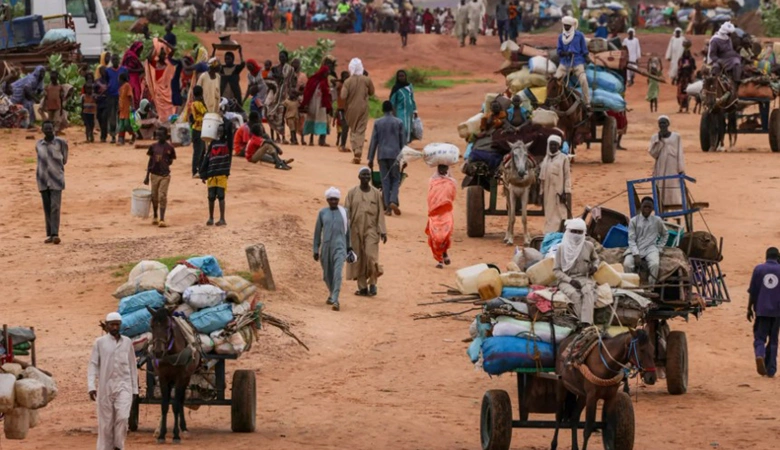
The Psychological Toll
War leaves scars that aren't always visible. In South Asia, generations have grown up in a climate of fear—hearing gunfire at night, watching homes collapse, and losing loved ones without warning. PTSD, anxiety, and depression are widespread in conflict zones, but often go untreated due to the stigma around mental health and lack of services. Children are particularly vulnerable. Many grow up associating the sound of aircraft with danger, and their drawings often depict scenes of violence rather than joy. Without intervention, the trauma of war can affect cognitive development and emotional stability well into adulthood.

Impact on Health and Infrastructure
War decimates infrastructure. Hospitals are overwhelmed or inaccessible, water supplies are often contaminated, and roads become impassable due to bomb damage. In rural areas, pregnant women and the elderly are unable to reach medical help. In cities, emergency rooms overflow with casualties from both sides. The breakdown in basic services during times of conflict causes preventable deaths from malnutrition, untreated infections, and exposure. In many cases, it is not bullets that kill, but the collapse of systems that people rely on to survive.

The Forgotten Voices of Kashmir
The epicenter of much of the India-Pakistan conflict is Kashmir, a region whose people have been trapped in a decades-long struggle between two nations. Kashmiris live under intense militarization, facing curfews, internet shutdowns, and frequent lockdowns. For them, the war is not a distant event—it is an everyday reality. Voices from Kashmir often go unheard in the global narrative. Their suffering, aspirations, and hopes for peace are routinely overshadowed by geopolitical strategy. Yet, it is in their stories that the full human cost of the conflict becomes clear.
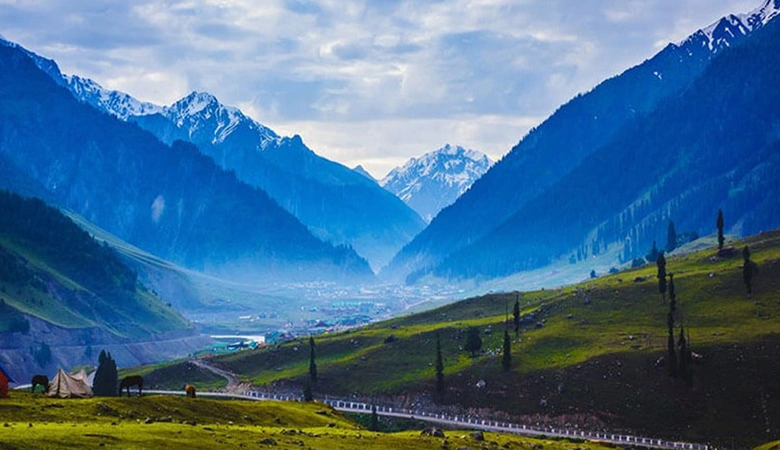
Women and War: The Invisible Sufferers
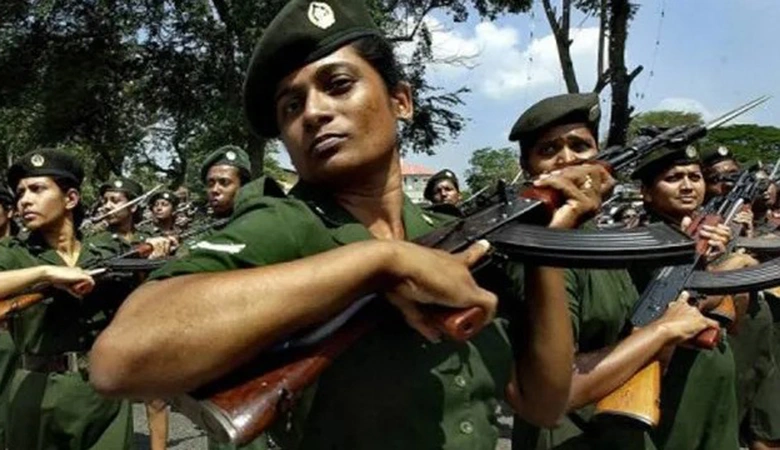
War amplifies gender-based vulnerabilities. In conflict zones, women face heightened risks of sexual violence, exploitation, and trafficking. Widowhood becomes common, and many women are forced to become sole breadwinners without access to employment or support systems. Despite these challenges, women are often at the forefront of rebuilding communities and advocating for peace. Their resilience and leadership are critical, yet they remain largely excluded from formal peace processes between India and Pakistan.
The Role of Media and Misinformation
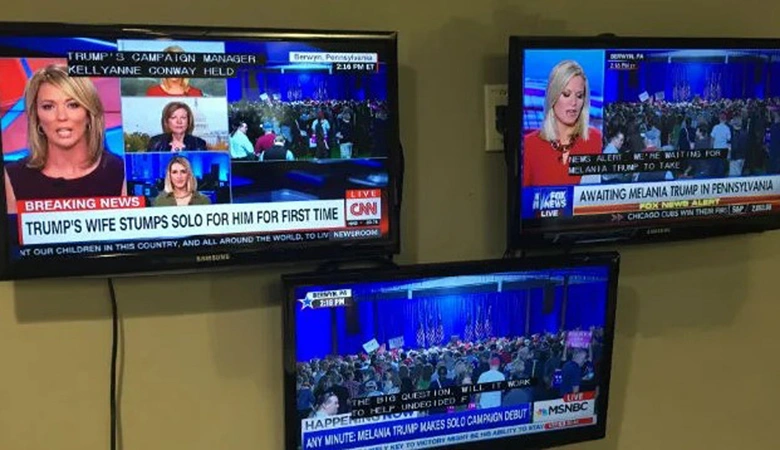
Media plays a powerful role in shaping public perception during wartime. However, coverage often emphasizes heroism and patriotism over human suffering. Casualties are turned into numbers; real lives reduced to brief soundbites. Worse, misinformation spreads quickly during conflicts, fueling hatred and deepening divides. Civilians on both sides become victims of propaganda—some vilified as traitors, others hailed as martyrs—while the real complexities of their experiences are lost.
Can Humanity Prevail Over Politics?
History shows that peace is possible—even between bitter rivals. The people of India and Pakistan share cultural ties, familial connections, and centuries of shared history. At the grassroots level, there are countless stories of compassion, where strangers have helped each other across borders during crises. True peace will require political courage, but also an acknowledgment of the human cost of war. Every bomb dropped, every shot fired, and every moment of silence from the international community deepens wounds that take generations to heal.
Conclusion: War’s Deepest Wounds Are Not on Maps
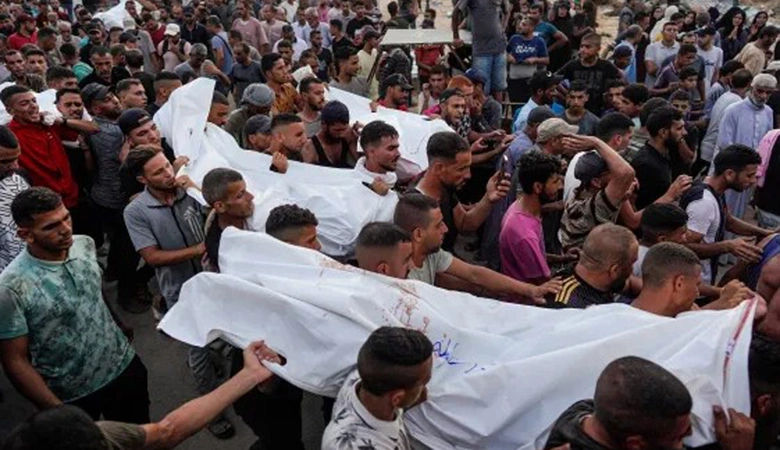
Borders can be redrawn, but broken lives cannot be so easily repaired. The India-Pakistan conflict is not just a matter of politics or national security—it is a humanitarian crisis that continues to affect millions. In the race to claim moral or military superiority, the voices of the voiceless are often forgotten. Until those stories take center stage, and until leaders listen not to war drums but to cries for peace, the region will remain trapped in a cycle where the greatest casualties are always human.