

The Timeless Allure of Ancient Civilizations
In ancient Egypt, beauty was not only admired but deeply symbolic. Egyptians valued symmetry and associated it with perfection and divinity. Both men and women adorned themselves with elaborate eye makeup made from kohl, believing it offered spiritual protection. Skin was kept smooth and moisturized, reflecting not only aesthetic preference but also health and hygiene in the desert climate. Meanwhile, in ancient Greece, the ideal beauty was rooted in proportion and balance. Fair skin was highly prized, symbolizing wealth and status, as it suggested a life sheltered from outdoor labor. Greek sculptures and artwork immortalized these ideals, portraying flawless, harmonious figures that remain iconic today.

The Medieval and Renaissance Pursuit of Pale Perfection
As Europe entered the medieval period, pale skin continued to dominate beauty ideals. It was a visible sign of nobility, as working outdoors led to sun-darkened skin. Women often used lead-based powders to lighten their complexions, unaware of the toxic effects. Hair was plucked from the hairline to create a higher forehead, which was seen as a mark of intelligence and grace. The Renaissance, however, began to embrace fuller figures and rosy cheeks. Beauty was linked to fertility and prosperity, and artists like Botticelli celebrated these traits in their famous paintings. This era marked a turning point where natural beauty and sensuality were intertwined with artistic expression.

The Age of Enlightenment and Extravagance
The 18th century in Europe, particularly in France, saw beauty standards become grand and theatrical. Powdered wigs, heavily rouged cheeks, and extravagant fashion dominated the era. Both men and women participated in this elaborate display, using beauty as a statement of wealth and sophistication. Beauty routines became rituals of status, reflecting the opulence of the aristocracy. At the same time, naturalism began to emerge as a counter-movement, where a more understated elegance gained popularity, especially among intellectual circles.

The Victorian Obsession with Modesty
The Victorian era marked a return to modesty and restraint. Women were expected to embody purity and virtue, with delicate features, pale skin, and demure expressions. Makeup was considered scandalous and reserved for stage performers or those on the fringes of society. Instead, natural beauty was emphasized, with women pinching their cheeks or biting their lips to create a subtle flush without artificial means. This period reinforced strict gender roles and expectations, tying beauty closely to moral character.

The Roaring Twenties and the Rise of Rebellion
The 1920s introduced a dramatic shift. After World War I, women began challenging traditional norms, adopting shorter hairstyles like the bob and embracing bold makeup. Red lips, smoky eyes, and daring fashion choices symbolized liberation and the modern woman. The flapper era celebrated youthful energy and freedom, marking a pivotal moment in beauty history where self-expression took center stage.

The Mid-Century Icons of Glamour
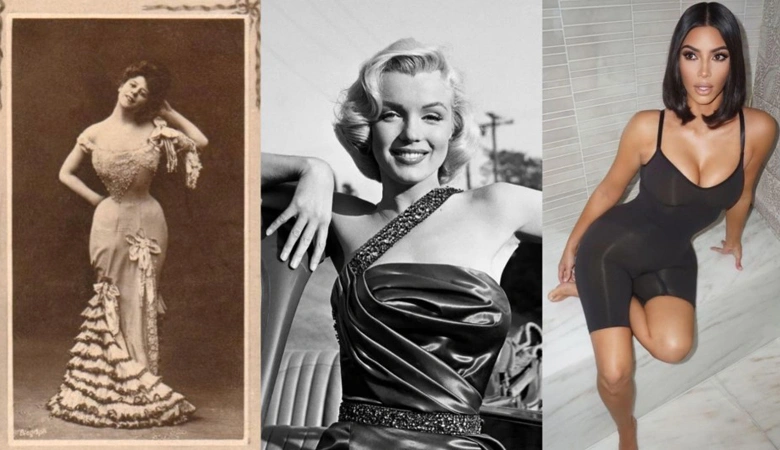
The mid-20th century saw the rise of Hollywood glamour. Figures like Marilyn Monroe and Audrey Hepburn set new beauty benchmarks with their distinctive looks — from voluptuous curves and platinum blonde hair to elegant brows and timeless red lipstick. Media influence grew stronger, shaping global beauty ideals through film and magazines. This era also marked the beginning of the beauty industry's boom, with cosmetics becoming more accessible and widely embraced.

The Modern Era of Diversity and Inclusivity
Today, beauty standards are more diverse and inclusive than ever before. While social media and celebrity culture still play influential roles, there is a growing celebration of individuality. Skin tones, body shapes, and natural features once marginalized are now finding representation and admiration worldwide. Movements advocating for body positivity, natural beauty, and age inclusivity are reshaping the conversation. Brands are embracing models of all backgrounds, and consumers are demanding authenticity over perfection. While challenges remain, the progress toward broader acceptance of beauty in all forms is undeniable.

Conclusion
From ancient rituals to modern revolutions, the journey of beauty standards reveals much about our collective history and values. Each era has left its mark, shaping how we perceive and define beauty today. As we continue to move forward, the growing embrace of diversity and individuality promises a future where beauty is not confined by narrow ideals but celebrated in every unique expression.