
The Immediate Impact: Trauma and Displacement
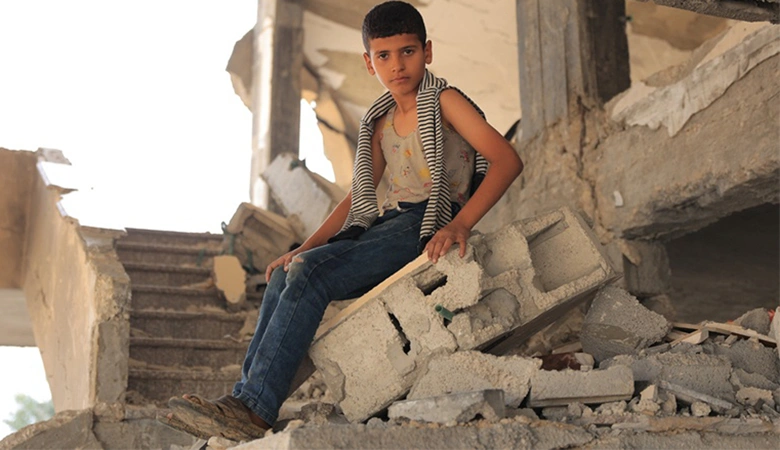
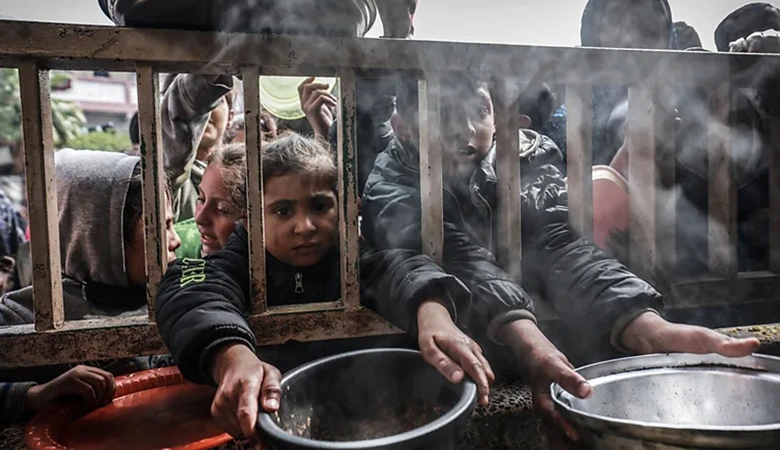
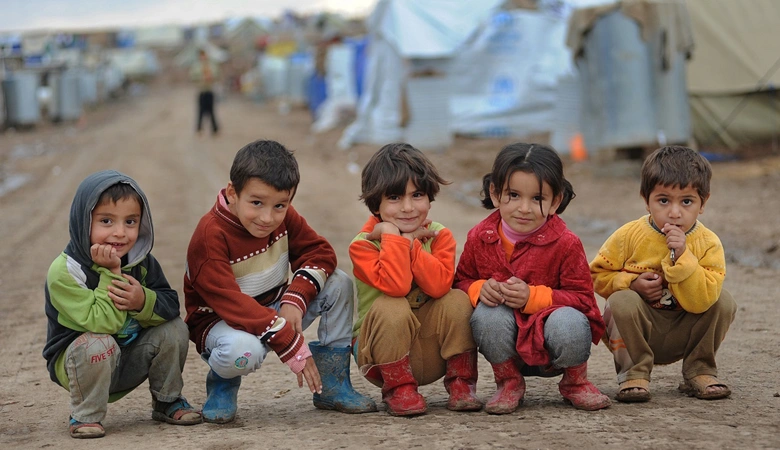
Children who live in conflict zones often face a brutal mix of immediate and long-term consequences. Families are displaced, homes destroyed, and schools closed. For many children, displacement means not only losing their homes but also their sense of stability. Parents, struggling to keep their families safe, may find it harder to provide the nurturing environment needed for healthy development.
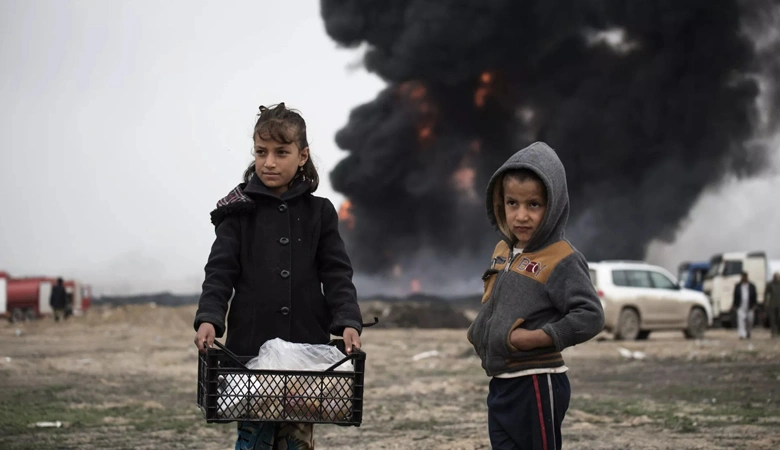
Children in border regions like Kashmir face regular disruptions due to violence. The sound of artillery, airstrikes, and bombs becomes part of the daily landscape. For them, the threat of violence is constant, and normal activities like play or study are often impossible./p>
Story One: A Child's Nightmare in Kashmir
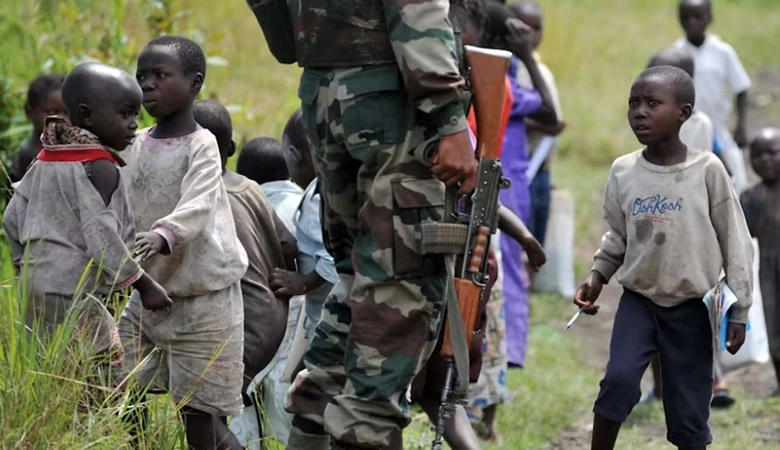
Ayesha, a 10-year-old from a village in Kashmir, recalls the day her home was destroyed by cross-border shelling. "We were having lunch when the blast hit. I was thrown to the ground. My father was injured," she says. "Afterwards, everything was broken, and we had nowhere to go." Ayesha now lives in a refugee camp with her mother and younger brother. Their lives have been reduced to uncertainty. The emotional scars are deep, and Ayesha’s fear of the loud noises outside is palpable.
Psychological Wounds: The Silent Battle
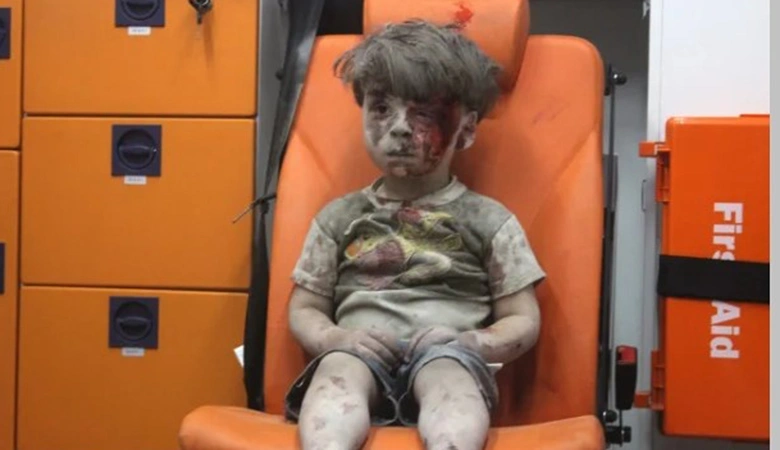
While the physical wounds of war are visible—broken homes, injured bodies—the psychological toll on children is often invisible, but no less severe. Studies show that children in war zones are highly susceptible to mental health issues such as anxiety, depression, and post-traumatic stress disorder (PTSD).
Fear becomes their constant companion. Children are afraid of the sounds of bombs, the sight of soldiers, and even the fear that their parents might be harmed. This persistent anxiety alters brain development and can stunt emotional growth.
Story Two: Living with Fear in Pakistan
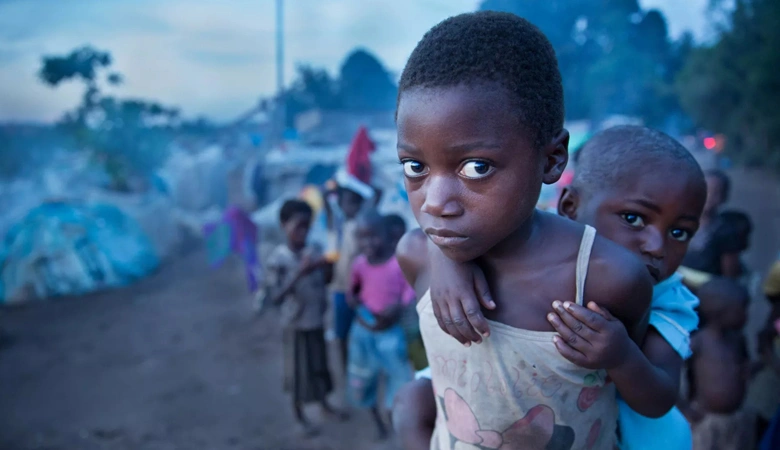
Ali, a 14-year-old from Pakistan’s Punjab region, speaks of the deep anxiety he lives with. "I don’t sleep well at night. Every time I hear a plane, I think it’s going to drop bombs," he says. Ali’s school was destroyed during an airstrike, and while his family survived, his classmates were not so fortunate. Ali’s emotional trauma remains untreated, and he struggles to concentrate in class, unable to escape the haunting memories of explosions and death.
Disrupted Education: A Lost Future
Education is another casualty of war. Children in conflict zones often miss out on schooling for months or even years. Schools become shelters, military posts, or are destroyed in the crossfire. For many, the dream of a future built on education fades as war creates barriers to even basic learning.
In regions affected by conflict, the infrastructure for education is either non-existent or severely damaged. Without proper schooling, children grow up with limited prospects for a better life, creating a cycle of poverty and unrest that perpetuates the conflict itself.
Story Three: An Education Interrupted
Ravi, a 12-year-old boy from India’s border region, used to look forward to going to school each day. Now, his school has been shut down indefinitely due to the ongoing violence. "I want to become a doctor," he says, "but now I don’t know when I will even get to finish my studies." Ravi's story is not unique—thousands of children across both India and Pakistan face similar disruptions to their education, robbing them of the tools they need to build a better future.
The Cycle of Hatred: Growing Up in the Shadow of War
For children who grow up amid conflict, the cycle of hatred can seem unbreakable. They hear propaganda, see violence, and experience loss—forming worldviews shaped by bitterness and division. In areas where both sides of the conflict teach their children to view the "enemy" as a threat, children often inherit a legacy of mistrust that can last a lifetime.
The narratives that shape their beliefs about the other side can perpetuate stereotypes and fuel future conflict. A generation raised in fear and hatred is less likely to embrace peace, and more likely to perpetuate the cycle of violence.
Seeking a Future: Stories of Resilience
Despite the odds, there are countless examples of children in conflict zones showing resilience. Despite losing everything, they manage to adapt, rebuild, and dream of a better future. Some become advocates for peace, speaking out against the violence that has defined their lives.
Others turn to creative outlets like art or music to express their pain, working through the trauma in ways that provide them with some measure of healing. Many young people are also taking on roles as peacemakers, working alongside local organizations to help build bridges between divided communities. These children, who have experienced the worst of war, are now showing the world that it is possible to fight for a better future, even when the past is filled with pain.
Story Four: Young Peacemakers
Sania, a 16-year-old girl from Jammu, has spent years in refugee camps, but instead of growing bitter, she has become involved in local peace initiatives. "I want to help other children who are scared and lost like I was," she says. "War has taken so much from us, but we can still make peace." Sania’s story is one of many, where children who have experienced conflict firsthand are stepping forward to try and heal their broken communities.
Conclusion
The children living in the conflict zones between India and Pakistan face unimaginable challenges—violence, displacement, fear, and lost futures. Yet, in every tragedy, there is a glimmer of hope. If the world truly wants to end the cycle of violence, it must first protect the most vulnerable—the children.
These children deserve more than survival; they deserve a chance to thrive, to learn, and to grow in a world free from war. The international community must work together to provide education, psychological support, and humanitarian aid to ensure that the youngest victims of conflict have the opportunity to rebuild their lives and futures.