

The Convenience of Voice Technology
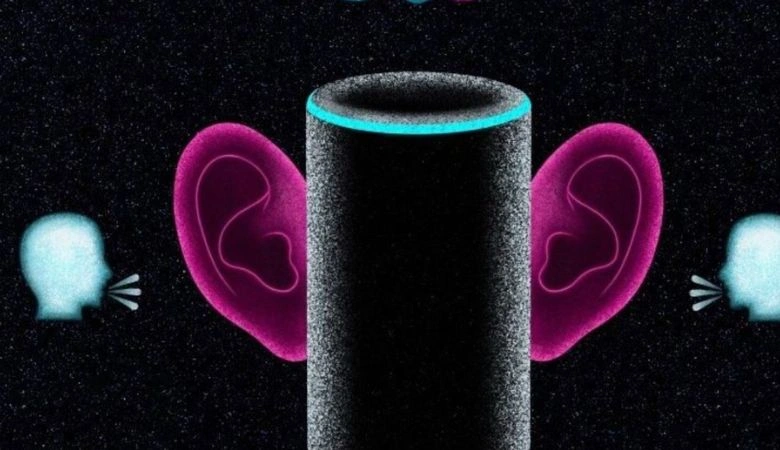
Voice assistants thrive on convenience. With simple voice commands, users can play music, check the weather, or control smart home devices without lifting a finger. This hands-free interaction has made them indispensable for many, seamlessly integrating into homes, cars, and even workplaces.
How Voice Assistants Actually Work
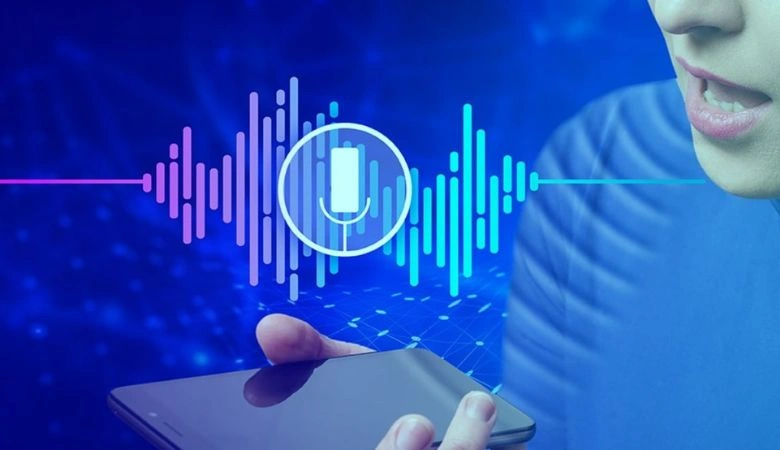
Understanding how these devices function helps demystify their role. Voice assistants are designed to "wake up" only when they hear their specific trigger phrase, like “Hey Siri” or “Alexa.” Until that moment, they continuously listen to audio snippets in their environment but, in theory, do not record or process data until activated. Once they hear the wake word, they begin processing your request and send it to cloud servers for response.
Privacy Concerns Come to Light
Despite assurances from tech companies, privacy concerns persist. There have been reported instances where voice assistants mistakenly activate, capturing conversations without user intent. These accidental activations raise questions about how much data is collected and who has access to it. In some cases, snippets of audio have been reviewed by human staff for quality control, sparking further debate.
Data Usage and Storage Practices
What happens to the voice data after you give a command? Many companies store recordings to improve their services, personalize user experiences, and train AI models. While users often have options to delete their data, not everyone is aware of these settings. Transparency about data storage policies remains a crucial concern in the conversation about voice assistant privacy

Balancing Innovation with Privacy
Tech companies continue to balance innovation with user privacy. Efforts include providing clearer privacy settings, allowing users to review and delete their voice history, and developing on-device processing to reduce reliance on cloud servers. However, as voice technology becomes more sophisticated, vigilance is needed to ensure these safeguards keep pace.
How Users Can Protect Themselves
Taking proactive steps can help safeguard privacy. Regularly reviewing device settings, muting microphones when not in use, and deleting stored voice data can minimize risks. Being informed about the capabilities and limitations of your voice assistant empowers you to make safer choices.

Looking Ahead: The Future of Voice Assistants
The future of voice technology looks promising, but it must evolve responsibly. As AI advances, voice assistants are expected to become even more intuitive and context-aware. However, maintaining user trust will depend heavily on how well privacy concerns are addressed. Ethical design and transparent communication will be key to sustaining the growth of this technology.
Conclusion: A Double-Edged Sword
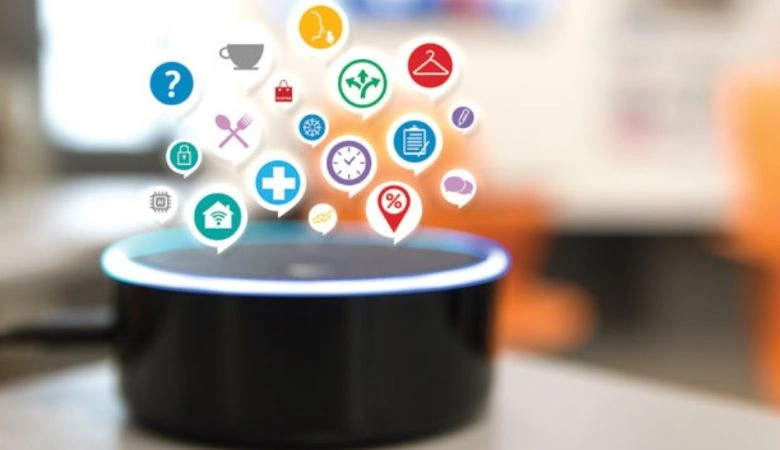
Voice assistants offer remarkable convenience, but not without trade-offs. While they make our lives easier, they also open new doors to privacy risks. Understanding how these devices work and how data is managed is essential for making informed decisions. As users, staying alert and informed is our best defense in an increasingly connected world.