
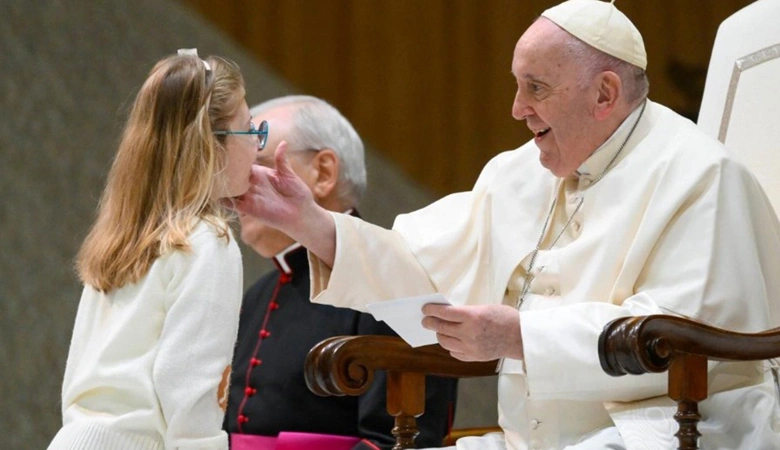

A Pontiff Who Understands the Pulse of the Present
From the very beginning, the new Pope has spoken a language that resonates—not just theologically, but emotionally and socially. He acknowledges the doubts, frustrations, and questions many young people carry. Rather than ignoring or dismissing them, he leans in with empathy. In his messages and actions, he presents faith not as a fixed set of rules, but as a living dialogue with the world—a way of finding meaning, purpose, and belonging.
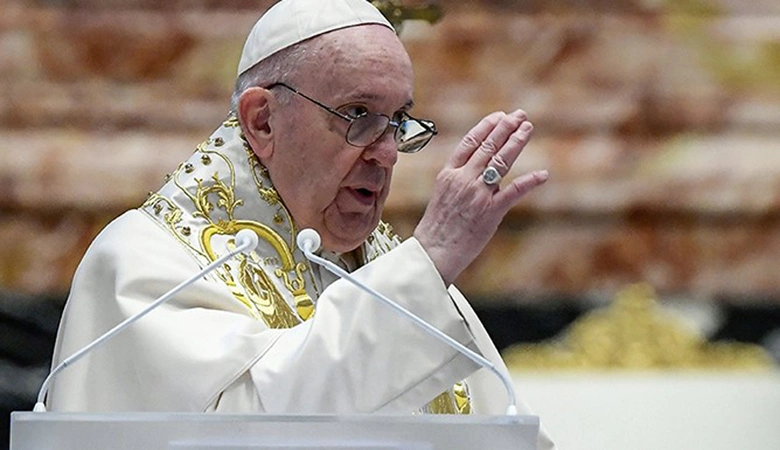
Simplicity That Speaks Volumes
Unlike traditional ecclesiastical formality, this Pope has adopted a more personal and humble approach. His lifestyle choices, like choosing modest housing and using plain language, send a clear signal to the youth: authenticity matters. His willingness to admit the Church’s failings and call for reform shows a vulnerability that younger generations find both refreshing and necessary. It reflects the kind of leadership they’re longing for—grounded, honest, and human.

Engaging with the Issues That Matter
What makes this papacy especially powerful for younger audiences is its focus on the issues that matter most to them. Climate change, social justice, economic inequality, and mental health are not sidelined—they’re at the heart of his teachings. He has passionately urged action for the environment, condemned violence and discrimination, and spoken out on behalf of the voiceless. Through this, he redefines faith not as retreat, but as engagement—an active force for good in the world.

A Church That Listens
Perhaps the most striking change has been his commitment to listening. The Pope has invited young people to speak openly about their dreams, fears, and frustrations. He has initiated synods that include youth voices and pushed for a more inclusive, participatory Church. In doing so, he is reshaping how the institution sees itself—not as a distant authority, but as a community that grows with its members.
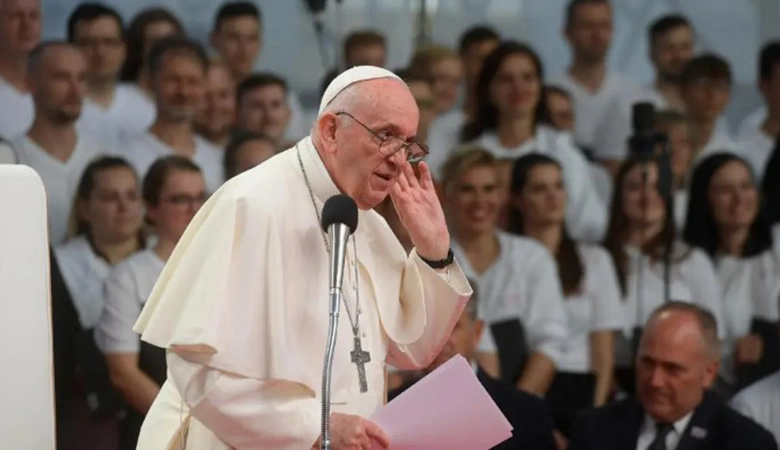
Technology Meets Theology
The digital age demands new methods of connection, and the Pope has embraced this reality. His presence on social media and digital platforms has made his messages more accessible than ever before. He uses these tools not for self-promotion, but to share encouragement, spark reflection, and inspire action. In this way, he meets young people where they are—not only in churches, but in their phones, feeds, and conversations.

Faith as Freedom, Not Fear
One of the most compelling aspects of his message to youth is the idea that faith is not meant to restrict, but to liberate. He speaks of love over judgment, hope over fear, and mercy over punishment. This framing appeals deeply to a generation wary of institutional hypocrisy and rigid ideology. It repositions Catholicism as a space of openness, where questioning is welcome and compassion is paramount.

Planting Seeds for the Future
The full impact of this Pope’s relationship with the younger generation will unfold over time, but already, signs of renewal are visible. Youth-led initiatives, renewed interest in volunteerism, and creative expressions of faith are emerging across the globe. He is not forcing revival, but gently guiding it—planting seeds through example, humility, and vision. In his eyes, young people are not the future of the Church—they are its present.

Conclusion: A Bridge Between Tradition and Tomorrow
The new Pope has not abandoned tradition, but he has breathed new life into it. By embracing change, listening to youth, and focusing on real-world impact, he has made faith feel relevant again. For a generation searching for purpose, justice, and truth, he offers something rare: not just a message, but a movement. In reimagining the Church through their eyes, he is not only reviving their hope—but rekindling the soul of faith itself.