
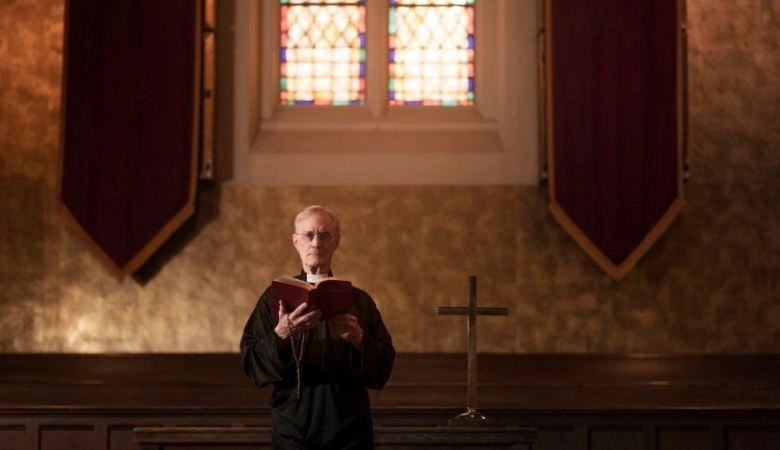

The Weight and Wonder of Tradition
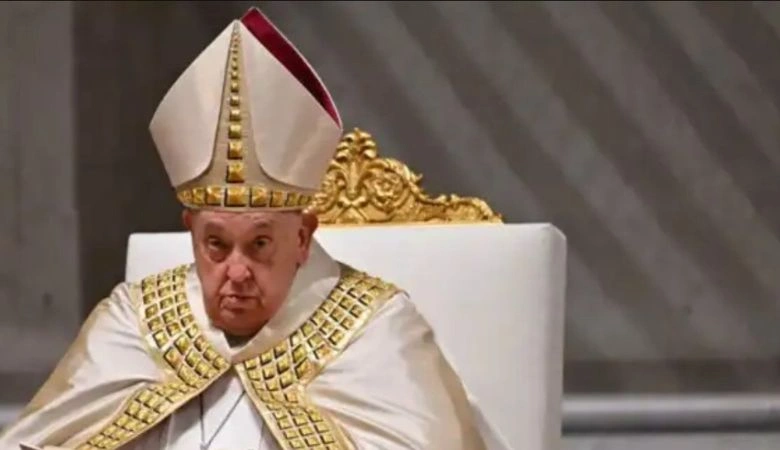
Every Pope inherits a legacy that spans two millennia—a lineage of faith, doctrine, and discipline that has shaped much of the world's moral and spiritual history. The new Pope enters a role defined by this gravity. He wears the white cassock not simply as a uniform of office, but as a living link to centuries of belief. Yet, what makes this moment extraordinary is not just his respect for that tradition, but the way he approaches it—with reverence, but not rigidity.
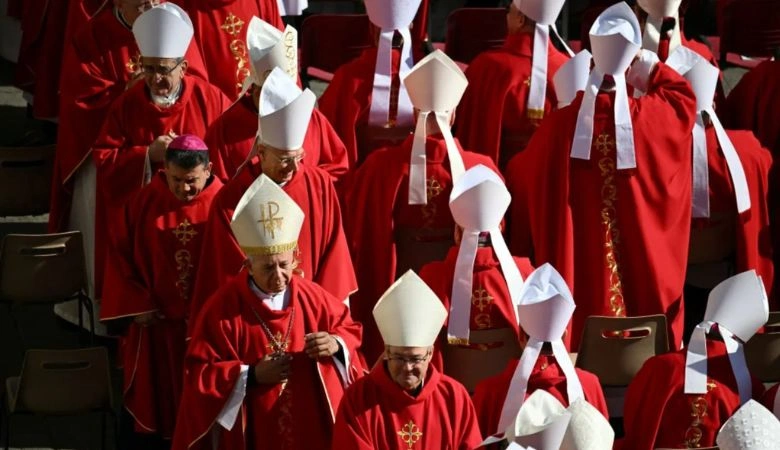
A Voice of Gentle Disruption
From the very start, the Pope's tone has been noticeably different. He speaks less like a sovereign and more like a servant. He does not seek to erase the Church’s past but dares to question how that past must evolve to meet today’s human needs. In a tone marked by humility and courage, he offers what many see as “gentle disruption”—a call not for rebellion, but for reflection and renewal. Through his homilies and public gestures, he is reshaping how tradition and transformation can coexist.
Reaching the Margins, Reviving the Mission
One of the defining themes of this Pope’s journey is his deep concern for those on the margins—economically, socially, spiritually. He has washed the feet of prisoners, visited refugee camps, and spoken out against systemic injustice. These acts are not mere optics; they represent a shift in emphasis, bringing the Church closer to its original mission of being a sanctuary for the vulnerable. In doing so, he reawakens the moral force of Catholicism—not as a fortress, but as a field hospital for the wounded.
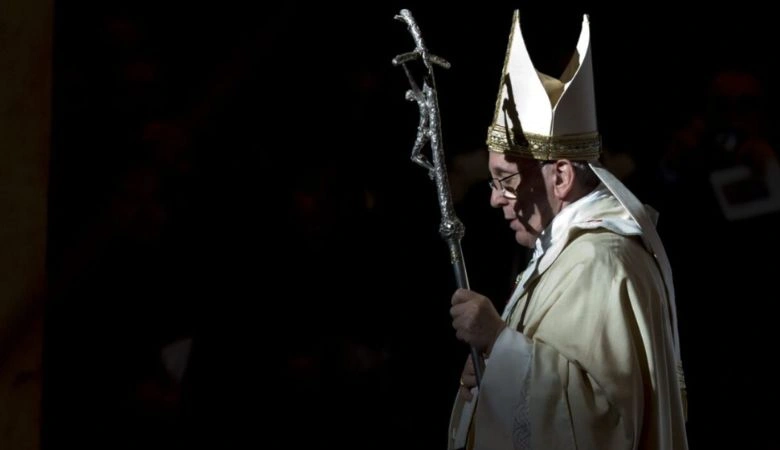
Reform from Within
Internally, the Pope has taken steps that reflect a desire to modernize without abandoning the essence of the Church. He has advocated for transparency in financial practices, addressed the Church’s accountability on abuse scandals, and encouraged open discussion on controversial topics like inclusion, gender, and the role of the laity. His approach does not seek to dilute doctrine but to deepen its relevance—to show that holiness can walk hand-in-hand with honesty.
Tradition as a Foundation, Not a Fence
Perhaps the most radical aspect of his leadership is his understanding of tradition itself. For him, tradition is not a static museum piece but a living foundation—something that supports growth, rather than restricting it. He often reminds the faithful that the Church’s strength lies not in resisting the world, but in responding to it with truth and compassion. His interpretation of tradition invites creativity, courage, and above all, conscience.
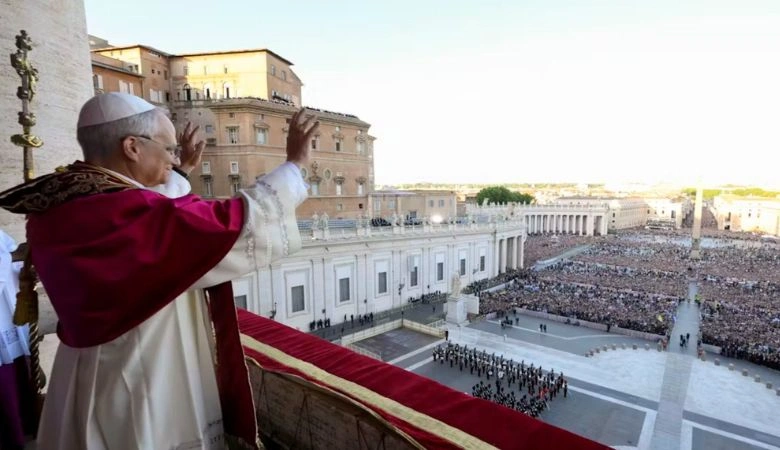
A Journey Guided by Hope
What binds this papal journey together is hope—not a naive optimism, but a deep, enduring confidence in the power of grace. Whether addressing youth disillusioned with religion, or elders longing for spiritual clarity, he offers a message rooted in the dignity of every person. His vision is not about restoring a golden age, but about building a more merciful, just, and inclusive Church—one that walks with the world rather than standing apart from it.
A Pope for This Time
In many ways, the new Pope has emerged as a leader uniquely suited for the challenges of this era. His ability to bridge tradition with transformation allows him to speak to both the old and the young, the devout and the doubtful. His leadership is not performative—it is pastoral. And in a time when trust is rare and fear is common, he embodies the kind of presence that inspires confidence, healing, and movement forward.
Conclusion: The Ongoing Journey
The path the new Pope walks is not easy. It is marked by tension—between heritage and progress, authority and openness, structure and spirit. But in walking this path, he shows what is possible when a leader chooses integrity over image, dialogue over division, and hope over hesitation. His journey is still unfolding, but already it offers a powerful truth: that tradition and transformation need not be enemies. Together, they can guide the Church—and the world—toward a more compassionate future.