
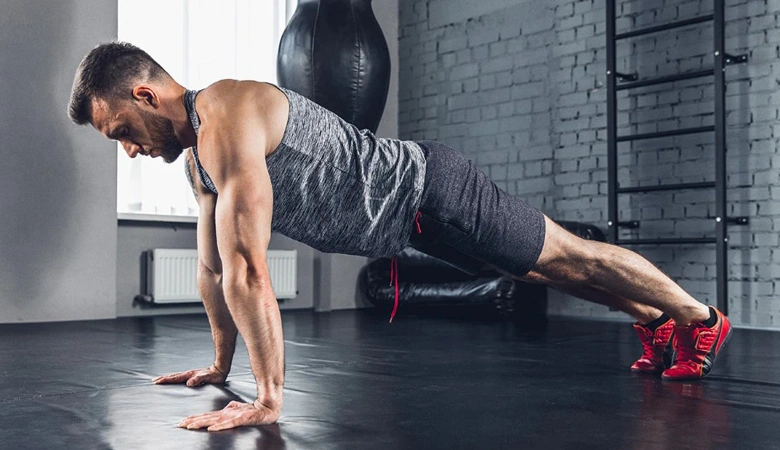

1. Squats – Strengthen Your Lower Body
Squats mimic the movement of sitting and standing, making them a foundational functional exercise. Stand with feet shoulder-width apart, bend your knees and lower your hips back like you’re sitting in a chair, then rise back up. This move strengthens the quads, glutes, and core, all of which are essential for daily movements.
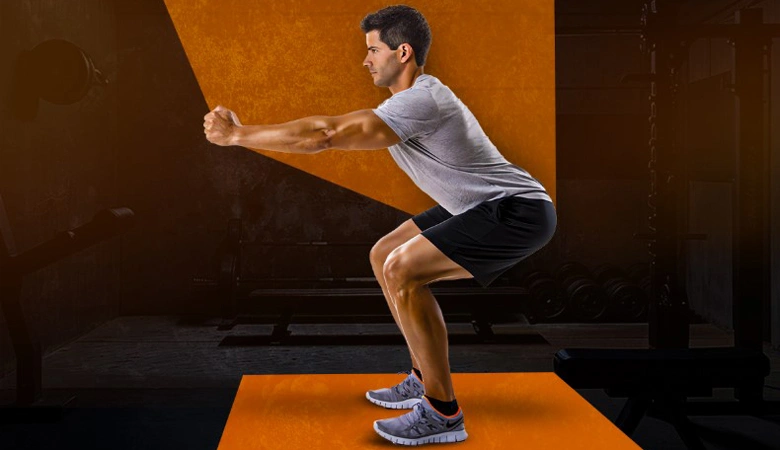
2. Lunges – Improve Balance and Stability
Lunges help build strength and improve balance in the legs and core. Step one foot forward, lower your hips until both knees are bent at a 90-degree angle, then return to standing. Switch legs. Lunges also activate the hip flexors and improve overall stability, which is crucial for walking and climbing stairs.
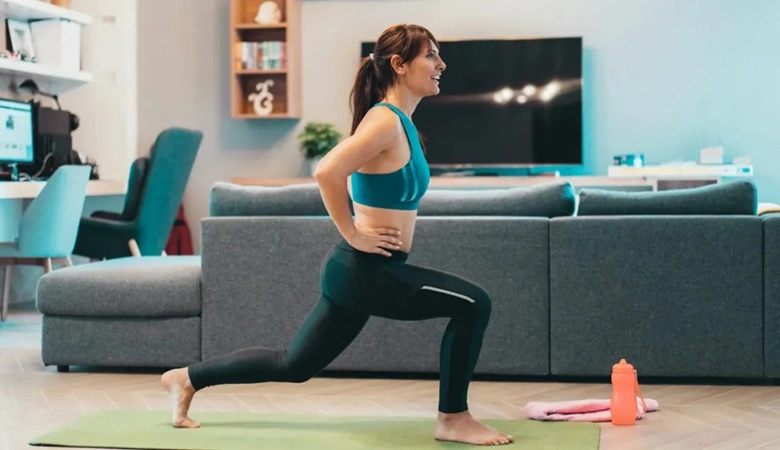
3. Push-Ups – Build Upper Body and Core Strength
Push-ups are an excellent way to strengthen the chest, shoulders, arms, and core. Start in a plank position with hands slightly wider than shoulder-width apart. Lower your chest to the ground, keeping your body in a straight line, then push back up. Push-ups help you build functional upper-body strength for tasks like lifting and carrying.
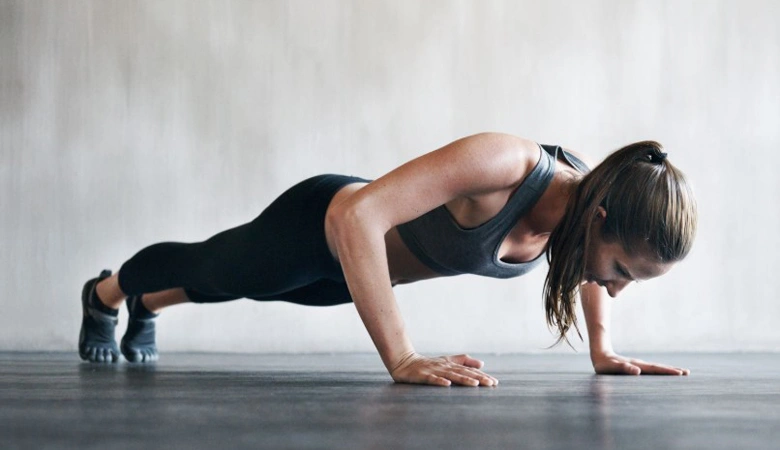
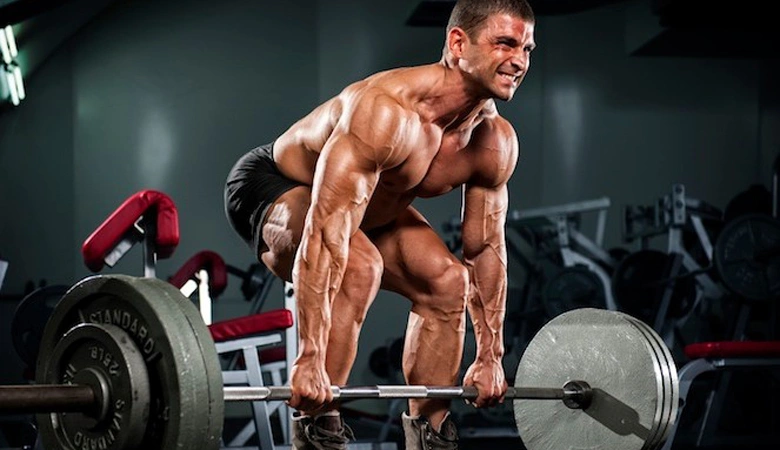
4. Deadlifts – Target Your Hamstrings and Lower Back
Deadlifts are essential for building strength in the posterior chain (hamstrings, glutes, and lower back). Stand with your feet shoulder-width apart, bend at the hips (not the waist), and lower your torso while keeping your back flat. Stand back up by engaging your glutes and hamstrings. This move simulates picking objects up from the ground safely.
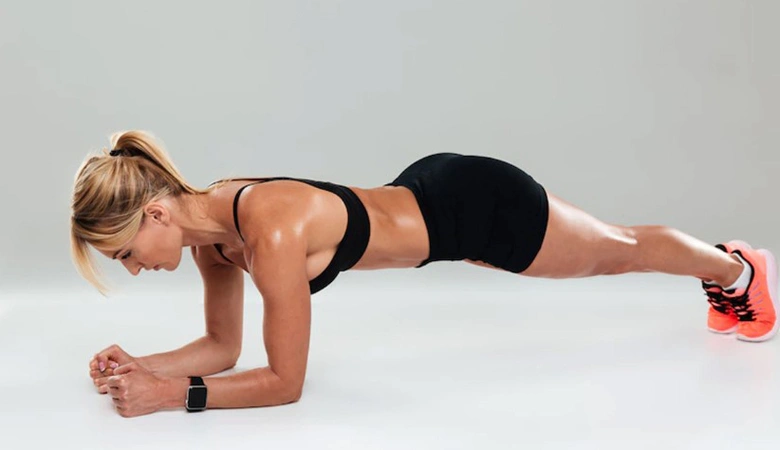
5. Planks – Enhance Core Strength and Stability
Planks engage the entire core and improve stability in the lower back. Start in a forearm plank position, keeping your body in a straight line from head to heels. Hold the position while maintaining proper form. Strong core muscles are crucial for tasks that involve bending or twisting, like lifting heavy objects or carrying groceries.
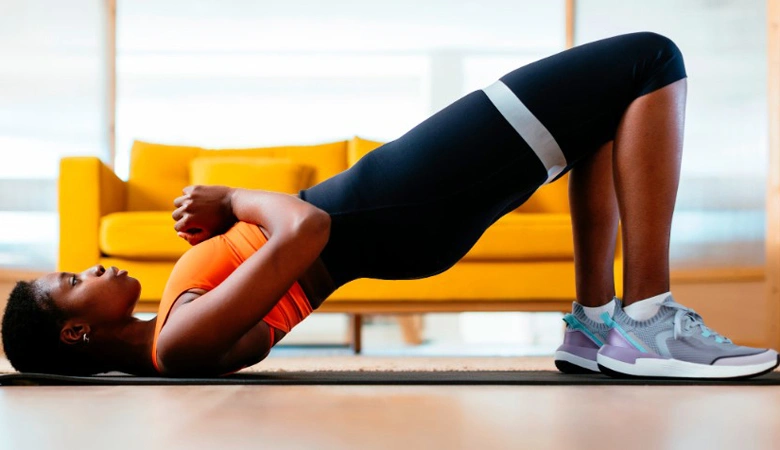
6. Glute Bridges – Strengthen Glutes and Lower Back
Lie on your back with knees bent and feet flat on the floor. Press your heels into the ground and lift your hips toward the ceiling, squeezing your glutes at the top. This exercise helps activate the glutes and lower back muscles, improving your ability to stand, walk, and climb stairs.
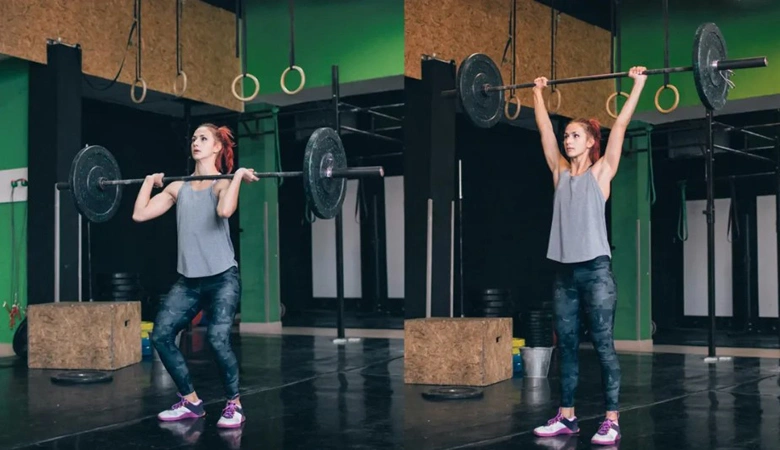
7. Overhead Press – Build Shoulder and Arm Strength
Hold weights or a resistance band at shoulder height, then press them overhead until your arms are fully extended. Slowly lower the weights back to shoulder height. This move strengthens the shoulders, arms, and upper back, improving your ability to lift objects overhead safely.
8. Step-Ups – Increase Lower Body Strength and Stability
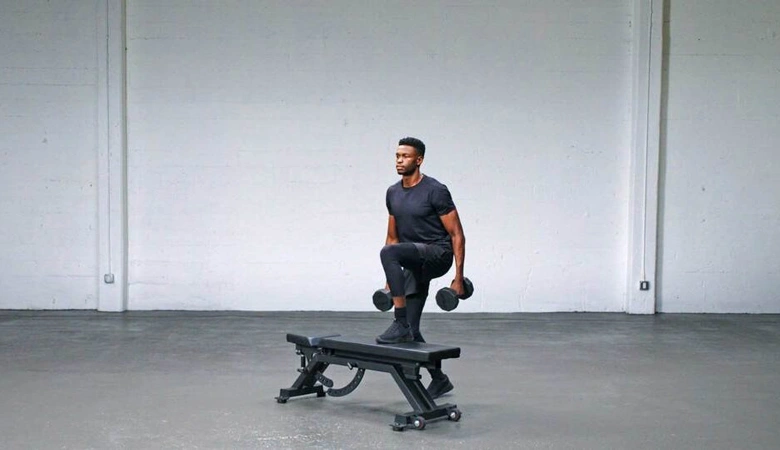
Find a stable platform or step, and step up with one leg, then bring the other leg up to meet it. Step down one leg at a time. Step-ups mimic real-life movements like climbing stairs, which improves leg strength, coordination, and balance. This move is great for building functional leg strength and endurance.
9. Rotational Movements – Improve Core Flexibility
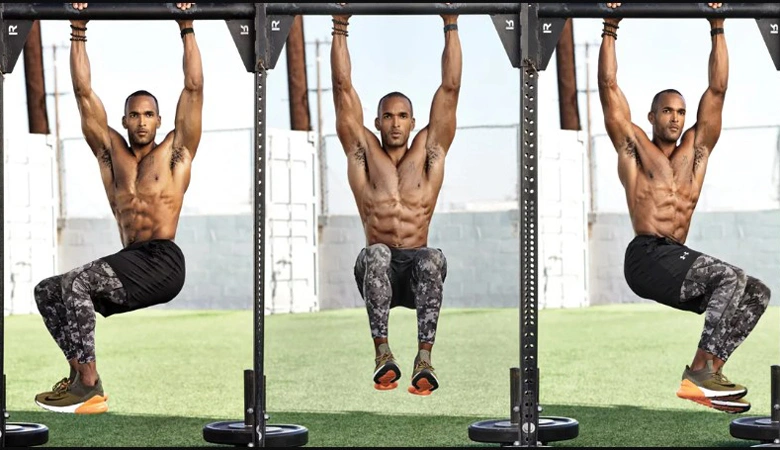
Rotational movements, such as Russian twists or medicine ball twists, help improve your ability to rotate your torso effectively. Sit on the floor with your knees bent and lean back slightly. Twist your torso from side to side, engaging the core. Rotational exercises improve functional flexibility for movements like reaching and turning.
10. Farmer’s Carry – Build Grip Strength and Posture
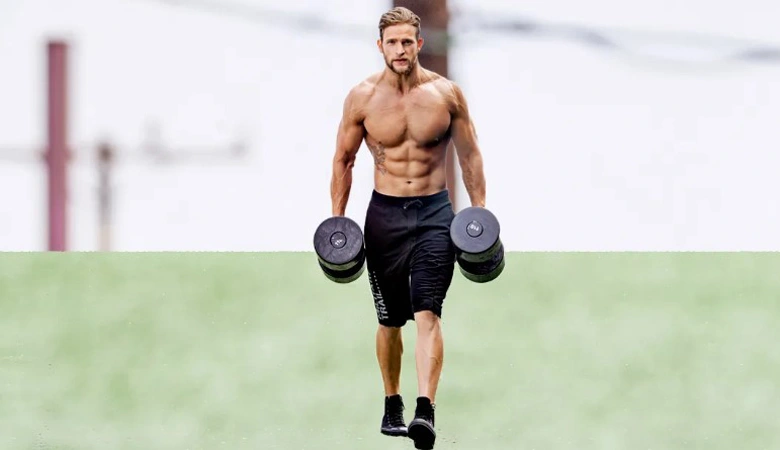
Hold a heavy weight (like a dumbbell or kettlebell) in each hand and walk a certain distance while maintaining good posture. This move strengthens your grip, core, and shoulders, simulating the motion of carrying heavy bags or boxes. It also teaches you to maintain stability while walking, a crucial skill for daily activities.
Final Thought
Functional fitness exercises are key for improving how your body performs in daily life. By incorporating these 10 moves into your routine, you’ll not only become stronger but also more efficient in carrying out everyday tasks. The best part? They require little to no equipment, making them easy to practice anywhere. Start small, and as you get stronger, increase the intensity. Your body will thank you in the long run.