

It’s Not a Taste—It’s a Sensation
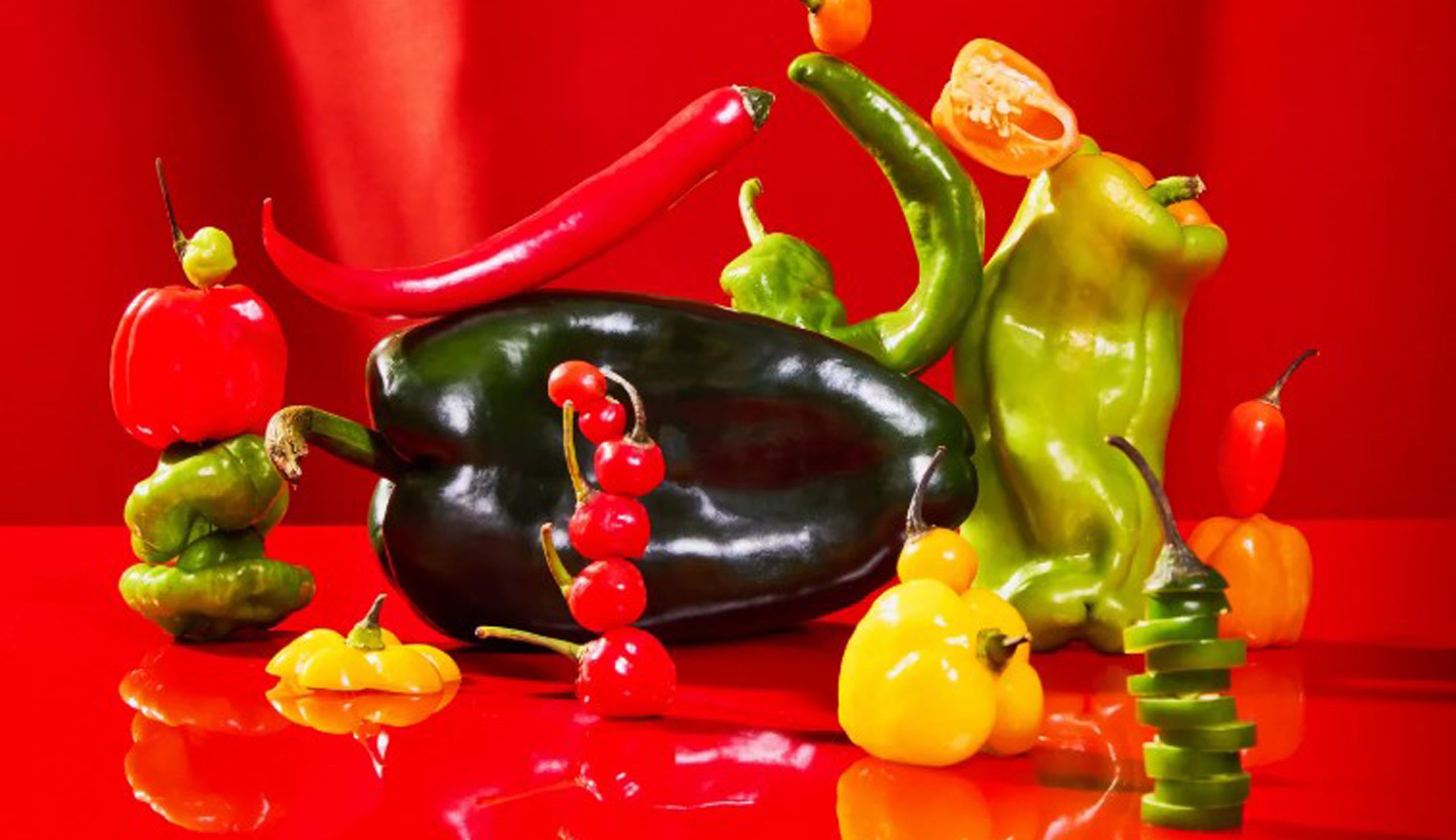
First things first: spiciness isn’t technically a taste like sweet or sour. It’s a pain signal. The main culprit? Capsaicin, a compound found in chili peppers. When it touches your tongue, it binds to pain receptors (specifically the TRPV1 receptors) that usually detect heat. Your brain gets tricked into thinking you're literally burning, even though there’s no real damage being done.
Your Body Reacts Like You’re in Danger
When you eat something spicy, your body’s fight-or-flight mode kicks in. Heart rate increases. You sweat. Endorphins—your brain’s natural painkillers are released to counteract the discomfort. These feel-good chemicals are the same ones triggered by exercise or laughter, which explains the weird euphoria some people feel after a spicy meal.
The Burn Can Become Addictive
Thanks to that endorphin rush, some people actually get hooked on spicy food—not just for the flavor, but for the way it makes them feel. It’s a bit like a rollercoaster: scary in the moment, but exhilarating afterward. This thrill-seeking behavior is one reason spicy challenges and extreme hot sauces have such cult followings.
Spiciness as a Cultural Badge of Honor
Across the globe, spicy food is often tied to culture, identity, and pride. In places like India, Mexico, Thailand, and Korea, chili heat is woven into everyday dishes and family traditions. Growing up eating spicy food builds tolerance over time—what might make one person sweat bullets is simply “mild” to another. Sharing a love of spice can even become a form of bonding.
There’s a Reason Spice Keeps Food Safer
Spices don’t just add flavor—they have natural antimicrobial properties. Historically, in hot climates where food spoils faster, cultures gravitated toward spice-heavy cooking as a way to preserve freshness and kill bacteria. That explains why some of the world’s spiciest cuisines come from tropical regions.
Your Tolerance Isn’t Fixed
Good news: if you want to enjoy spicier food, you can train your body to handle the heat. Just like building muscle, building spice tolerance takes repetition. Start with milder peppers and gradually increase intensity. Over time, your pain receptors become less sensitive, and your brain stops freaking out quite as much.

The Cool-Down Myth: Water Won’t Help
Reach for milk, not water, when your mouth’s on fire. Capsaicin is oil-soluble, so water just spreads the burn around. Dairy contains casein, a protein that binds to capsaicin and helps wash it away. A spoonful of yogurt, glass of milk, or even ice cream can help douse the flames.
Final Thought: The Pleasure in the Pain
Spicy food is a paradox—painful, but pleasurable. It makes us sweat, cry, and gulp milk like it's a life raft, yet we keep coming back for more. The science of spiciness blends biology, psychology, culture, and adventure. Whether you're a mild salsa fan or a ghost pepper warrior, the burn is real—and so is the love.