
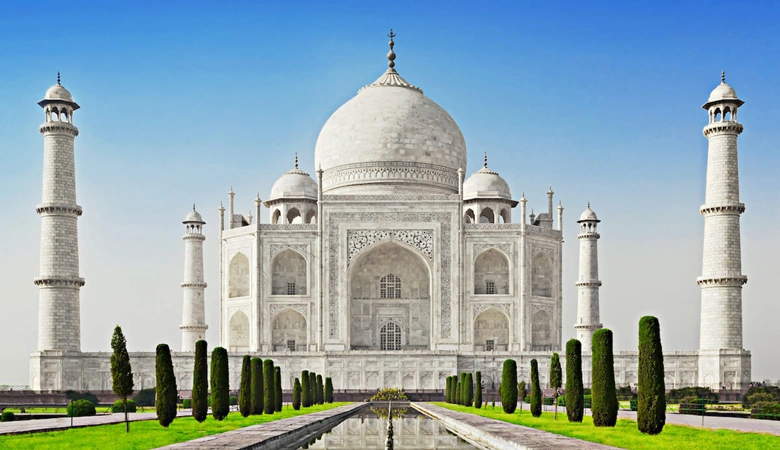

The Great Wall of China – A Legacy of Strength and Strategy
Spanning mountains, valleys, and deserts, the Great Wall is one of the most iconic heritage sites in the world. Constructed over centuries to defend Chinese kingdoms from northern invasions, this monumental structure stretches more than 13,000 miles. Walking along its winding path offers not just awe-inspiring views but a deep appreciation for the perseverance of ancient civilizations.

The Historic Centre of Rome, Italy – The Heart of an Empire
Rome isn’t just a city—it’s an open-air museum. From the Colosseum to the Roman Forum, every step echoes with stories of emperors, gladiators, and thinkers. The blend of ancient ruins and Renaissance architecture makes Rome a timeless destination where history is both preserved and alive.

Angkor Archaeological Park, Cambodia – A Spiritual Wonder
Angkor Wat may be the crown jewel, but this UNESCO World Heritage Site includes dozens of ancient temples spread across a vast jungle landscape. Built by the Khmer Empire, these stone masterpieces blend religious devotion with intricate design. Exploring Angkor feels like uncovering the soul of a long-lost kingdom.
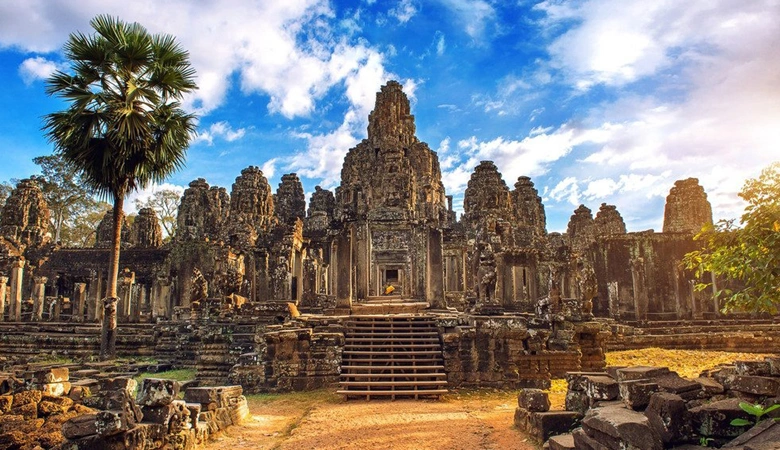
The Acropolis of Athens, Greece – Where Civilization Began
Atop a rocky hill in Athens stands the Acropolis, a symbol of democracy, philosophy, and artistic excellence. The Parthenon and surrounding structures represent the birthplace of Western culture. As the sun sets over marble columns, you can feel the weight of history that shaped the modern world.

The Alhambra, Spain – A Fortress of Beauty and Power
Located in Granada, the Alhambra is a stunning fusion of Moorish artistry and medieval architecture. Once a royal palace of the Nasrid dynasty, its courtyards, fountains, and tiled halls reflect a golden era of Islamic culture in Europe. The intricate designs and peaceful gardens make it one of the most visually captivating heritage sites on Earth.
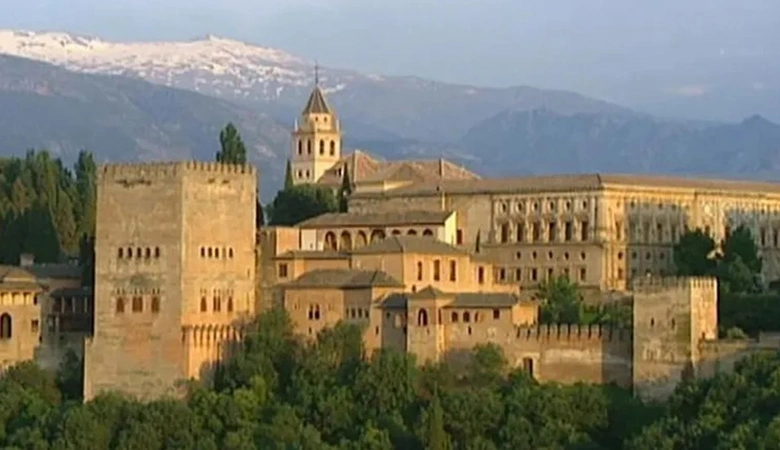
Stonehenge, England – Mystery Beneath the Sky
Shrouded in legend and mystery, Stonehenge stands as one of the world’s most puzzling ancient sites. The massive stones arranged in a perfect circle date back over 4,000 years. Whether a celestial calendar, a burial ground, or something else entirely, Stonehenge invites endless curiosity and wonder.

The Historic Sanctuary of Machu Picchu, Peru – An Incan Legacy
Perched high in the Andes Mountains, Machu Picchu was hidden for centuries before being rediscovered in 1911. This ancient city reflects the sophistication of Incan engineering and connection to nature. Its terraces, temples, and views above the clouds make it one of the most breathtaking heritage sites in the world.
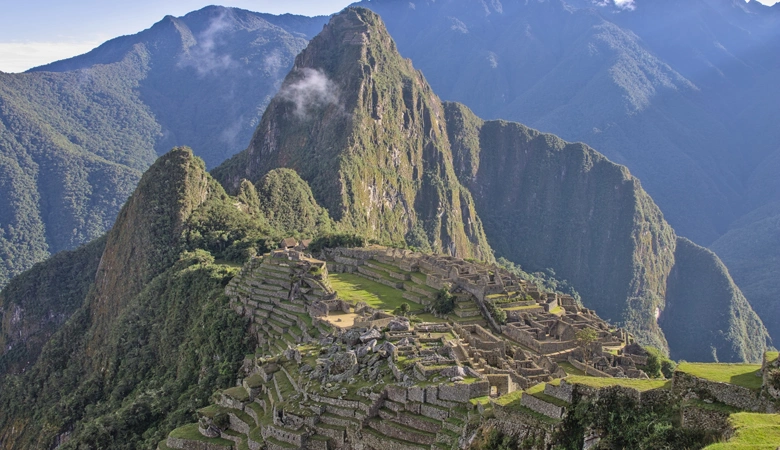
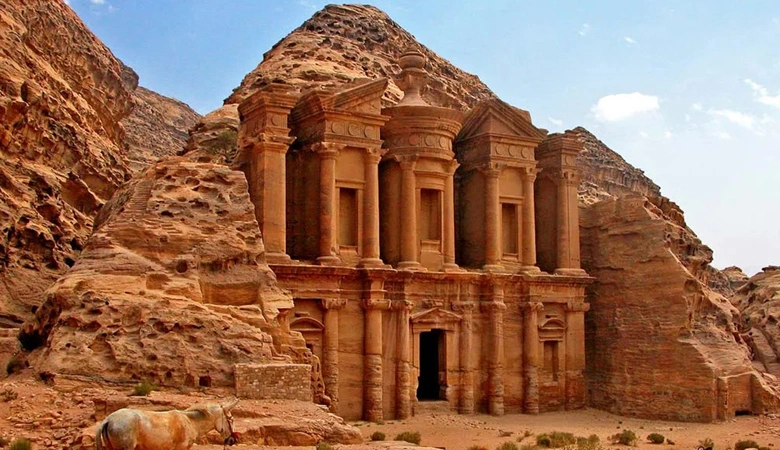
Petra, Jordan – A City Carved into Stone
Once a major hub of trade and culture, Petra is now one of the world’s most famous archaeological sites. Known as the "Rose City" for its pink-hued sandstone cliffs, its rock-cut temples and tombs reveal a complex, once-thriving civilization. Entering through the narrow Siq and seeing the Treasury unfold is an experience like no other.
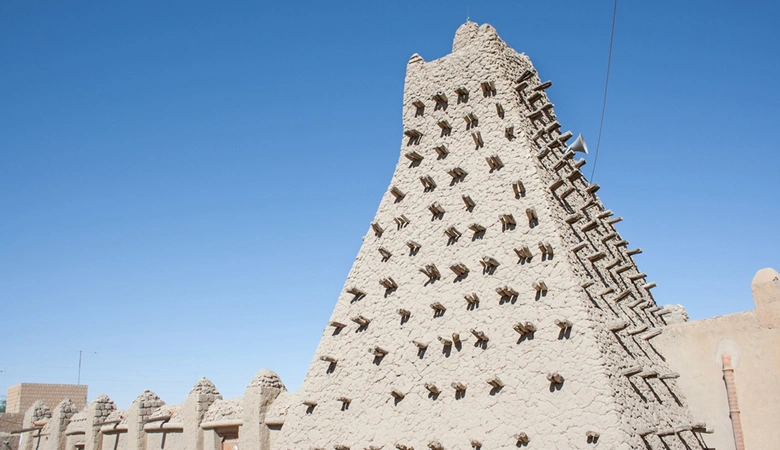
Timbuktu, Mali – A Center of Learning and Culture
In the heart of the Sahara, Timbuktu was once a vital center of Islamic scholarship and trade. Its ancient mudbrick mosques and libraries once held thousands of manuscripts. Though remote and challenged by time, Timbuktu stands as a testament to Africa’s rich intellectual and cultural heritage.
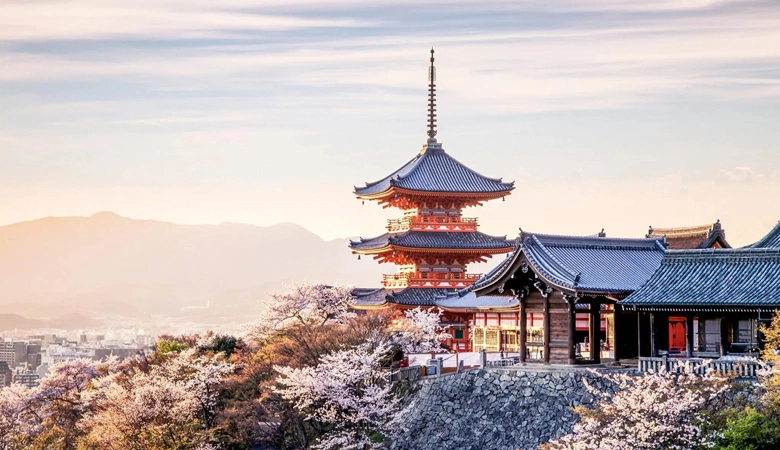
Kyoto’s Historic Temples, Japan – Preserving Tradition
Kyoto, Japan’s ancient capital, is home to over 2,000 temples and shrines. From the golden brilliance of Kinkaku-ji to the quiet elegance of Ryoan-ji’s zen garden, these sacred sites preserve the beauty, spirituality, and serenity of traditional Japanese culture. Walking Kyoto’s temple paths feels like entering another era entirely.
Why These Heritage Sites Matter
Each of these destinations tells a unique chapter of humanity’s story—one that blends power, art, faith, and survival. Preserved through time, these heritage sites aren’t just historical—they’re emotional and personal. They give us a connection to the people who came before us and a sense of how far we’ve traveled.