
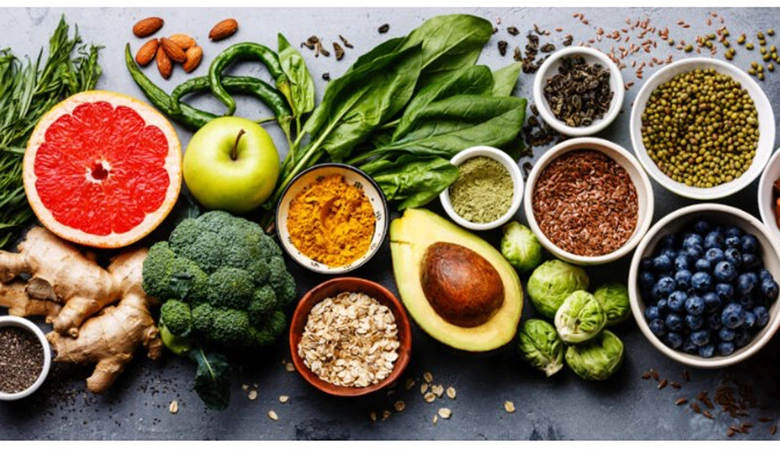

Start with Whole, Minimally Processed Foods
Focus on foods that are as close to their natural state as possible. Fresh fruits, vegetables, lean meats, legumes, nuts, and whole grains should form the base of your meals. These foods provide more nutrients and keep you fuller for longer.
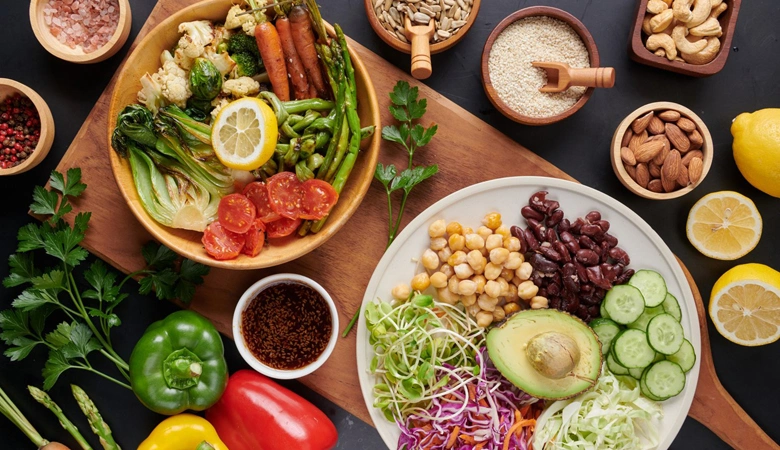
Learn to Read Food Labels
Understanding nutrition labels helps you make smarter choices. Look for hidden sugars, unhealthy fats, and excessive sodium. The fewer ingredients a product has—and the more of them you recognize—the better.
Stay Hydrated Throughout the Day
Water is essential for digestion, metabolism, and energy. Aim for at least 6–8 glasses a day. If you struggle with plain water, add lemon slices, cucumber, or herbs for natural flavor.

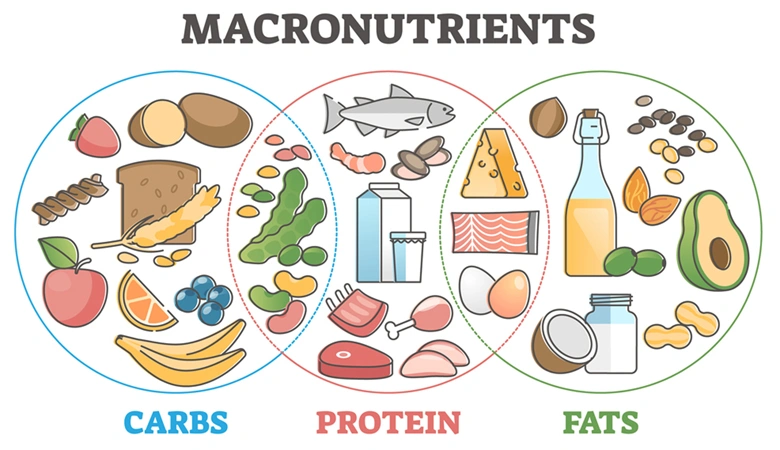
Balance Your Macronutrients
Each meal should include a source of protein, healthy fat, and complex carbs. This combo keeps blood sugar steady, boosts satiety, and helps with energy and recovery—especially if you’re working out.
Don’t Skip Meals, Especially Breakfast
Eating regular meals helps stabilize blood sugar and prevents overeating later in the day. Start your day with a nutritious breakfast that includes protein, fiber, and healthy fats for lasting energy.

Watch Your Portions, Not Just Your Ingredients
Even healthy foods can lead to weight gain if eaten in large quantities. Use smaller plates, listen to your hunger cues, and learn the difference between a snack and a full meal.
Limit Liquid Calories
Sodas, juices, and fancy coffees can be packed with sugar and empty calories. Choose water, herbal teas, or black coffee most of the time. If you want something sweet, make it intentional—not habitual.
Plan Ahead and Prep When You Can
Meal prep doesn’t have to be complicated. Even prepping a few healthy snacks or lunches for the week can help you avoid fast food and impulsive eating. It’s a small habit that adds up fast.
Be Mindful, Not Obsessive
Mindful eating means slowing down, savoring your food, and listening to your body. Avoid eating out of boredom, stress, or habit. It’s not about being perfect—it’s about being present.
Give Yourself Time to Learn and Adjust
Nutrition is a lifelong journey, not a 30-day sprint. You’ll make mistakes, have cravings, and hit plateaus. That’s okay. Stay consistent, stay curious, and celebrate small wins along the way.
Conclusion
The best diet is the one you can stick to—and enjoy. Start small, stay consistent, and remember that healthy eating isn’t about restriction—it’s about nourishment. These 10 simple tips will set you on the right path, no matter where you’re starting from.