

Driving Digital Infrastructure Development
One of the most significant contributions of Big Tech to global economies is the acceleration of digital infrastructure. Cloud computing, data centers, and advanced networking solutions provided by companies like Amazon Web Services (AWS) and Microsoft Azure form the backbone of modern digital services. These investments enable businesses of all sizes to scale operations, enhance connectivity, and enter global markets with unprecedented ease. As more regions embrace digital transformation, Big Tech is often at the helm, laying the groundwork for future growth.

Revolutionizing Employment and Skill Demands
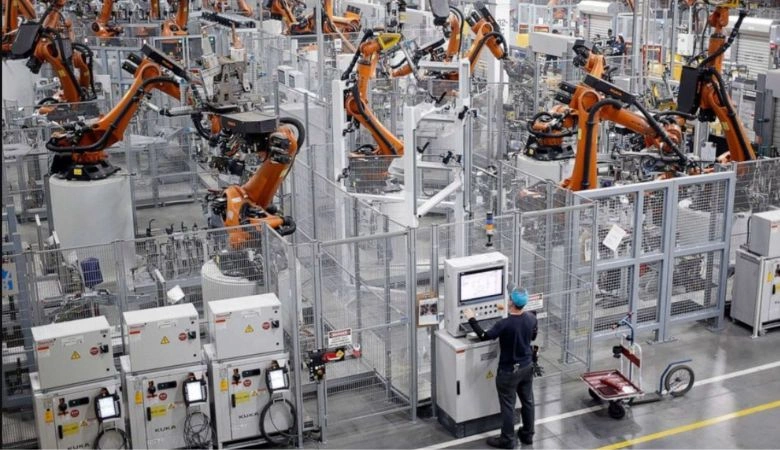
Big Tech has dramatically altered labor markets worldwide. On one hand, it has created millions of high-paying jobs in areas like software development, data analysis, cybersecurity, and artificial intelligence. On the other hand, automation and artificial intelligence are reshaping traditional roles, leading to new demands for upskilling and reskilling the workforce. Governments and educational institutions are increasingly partnering with tech giants to prepare workers for the digital economy, ensuring sustainable employment opportunities.
Fueling Innovation Ecosystems
Innovation is at the heart of Big Tech's strategy. These companies heavily invest in research and development, fostering ecosystems that encourage startups and technological breakthroughs. By funding incubators, accelerators, and academic partnerships, Big Tech is nurturing a culture of innovation that extends well beyond their own headquarters. Regions that collaborate with these tech leaders often see a ripple effect, with local businesses benefiting from cutting-edge tools and mentorship.
Redefining Global Trade and Commerce
E-commerce platforms like Amazon and Alibaba have revolutionized how goods and services are exchanged globally. Small and medium-sized enterprises (SMEs) now have access to international markets that were once out of reach. Digital marketplaces reduce barriers to entry, streamline logistics, and empower entrepreneurs to compete on a global scale. This democratization of commerce is reshaping trade patterns and fueling economic growth in emerging markets.

Influencing Policy and Regulation
As Big Tech's economic influence grows, so does its involvement in shaping policy and regulation. These corporations are key stakeholders in discussions around data privacy, cybersecurity, taxation, and antitrust issues. Governments worldwide are grappling with how to balance innovation with accountability, ensuring that Big Tech’s power is exercised responsibly. The outcome of these debates will significantly impact the future of global economic governance.
Transforming Consumer Behavior
Big Tech has fundamentally changed how consumers interact with products, services, and brands. Personalized advertising algorithms, seamless digital payment systems, and AI-driven recommendations have created a new, highly customized consumer experience. This transformation is not only boosting sales but also redefining marketing strategies and customer expectations across industries.

Conclusion: Architects of the New Economy
Big Tech companies have become architects of the new global economy. Through infrastructure development, job creation, innovation, and influence over policy and consumer behavior, these corporations are driving profound economic shifts. As their reach continues to expand, understanding their role in shaping our economic future is essential for businesses, policymakers, and consumers alike. The coming years will reveal just how deeply Big Tech will embed itself into the fabric of the global economy.