


What Is Web Hosting?
At its most basic, web hosting is a service that allows your website to be accessed on the internet. All the text, images, files, and code that make up your site need to be stored somewhere. Web hosting companies provide that storage on special computers called servers. When someone types your website’s domain name into their browser, the server sends them the right data to display your site. Without hosting, your website wouldn’t be visible to the world—it would just sit on your computer.

How Web Hosting Works
Here’s a simple breakdown: 1. You build a website using a website builder, content management system (like WordPress), or custom code. 2. You buy a domain name (your web address, like www.yoursite.com). 3. You purchase a hosting plan from a provider. 4. Your website files are uploaded to the hosting provider’s server. 5. When someone visits your domain, their browser connects to the server and loads your site. This entire process happens in seconds, and most hosting companies make it easy—even for complete beginners.

Types of Web Hosting
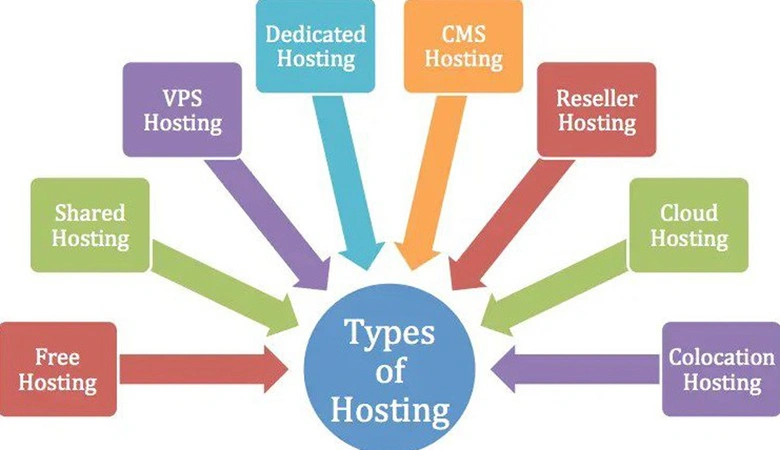
While there are several kinds of hosting, here are the most common ones beginners should know:
Shared Hosting
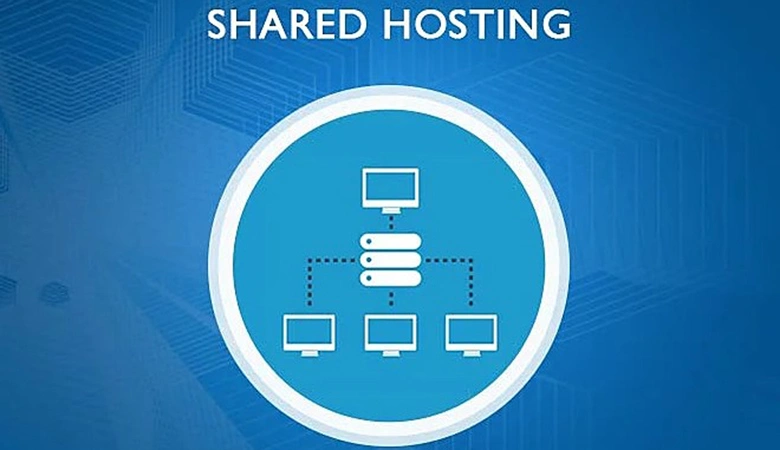
Perfect for small websites and beginners. Your site shares server space with other websites, making it affordable and easy to manage. It's ideal for blogs, portfolios, or small business websites.
VPS Hosting
Virtual Private Server (VPS) hosting offers more resources and customization. It’s a step up from shared hosting and is great if your site gets more traffic or needs specific configurations.

Dedicated Hosting
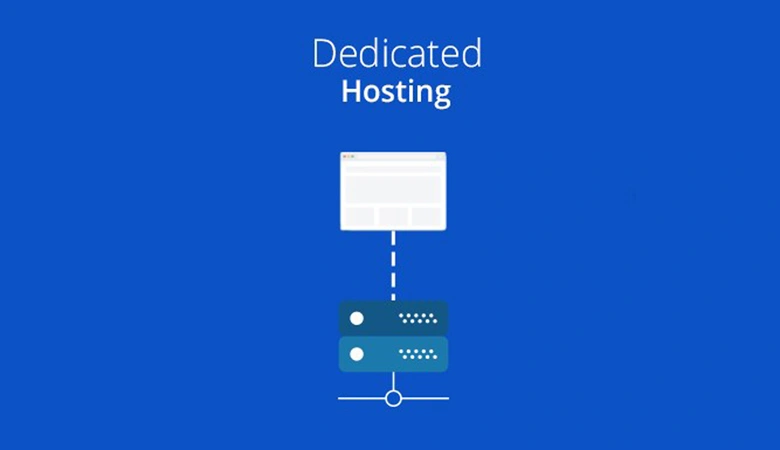
In this setup, you get an entire server to yourself. It’s powerful but usually only necessary for large websites or businesses with high traffic demands.
Cloud Hosting
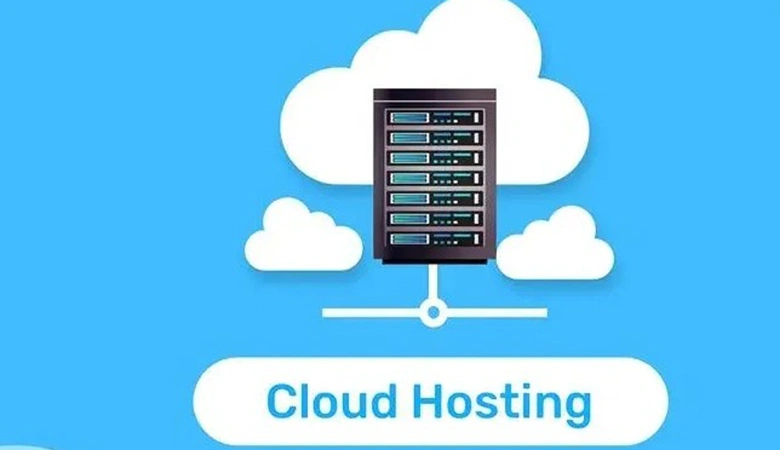
Cloud hosting spreads your site’s data across multiple servers. This helps with speed, reliability, and scalability. It’s flexible and becoming a popular choice for modern websites.
Why You Need Web Hosting
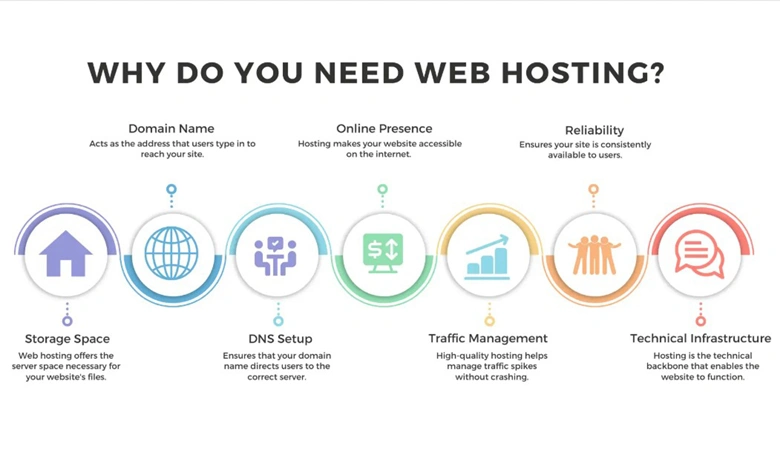
Even the best-designed website won’t function without hosting. Here’s why web hosting is essential: • It makes your website accessible 24/7. Hosting ensures anyone can visit your site anytime. • It gives you storage space. All your website content—images, text, files—needs a secure place to live. • It improves speed and performance. Good hosting ensures fast loading times, which keeps visitors happy. • It offers support and security. Most hosting companies provide tools to protect your site from threats and offer customer support when you need help.
Choosing the Right Web Host
When looking for a hosting provider, consider these key factors: • Ease of use: Look for providers with user-friendly dashboards. • Reliability: A good host guarantees uptime (your site stays online) of 99.9% or more. • Support: 24/7 customer support is a lifesaver, especially for beginners. • Scalability: Choose a host that can grow with your site’s traffic and needs. Some well-known web hosting providers include Bluehost, SiteGround, Hostinger, and GoDaddy.

Getting Started with Web Hosting
Here’s what to do when you’re ready: 1. Pick a domain name and register it. 2. Choose a hosting plan that suits your website’s size and goals. 3. Set up your site using a website builder or install WordPress (many hosts offer one-click installs). 4. Upload your content and publish your site. Most web hosting providers offer bundled services—so you can get your domain, hosting, and even a free email address all in one place.

Final Thoughts
Web hosting might sound complicated at first, but once you understand the basics, it’s actually pretty straightforward. It’s the foundation of every website you see online. Whether you're creating a personal blog, launching an online store, or building a portfolio, choosing the right hosting is the first big step toward making your site live.