
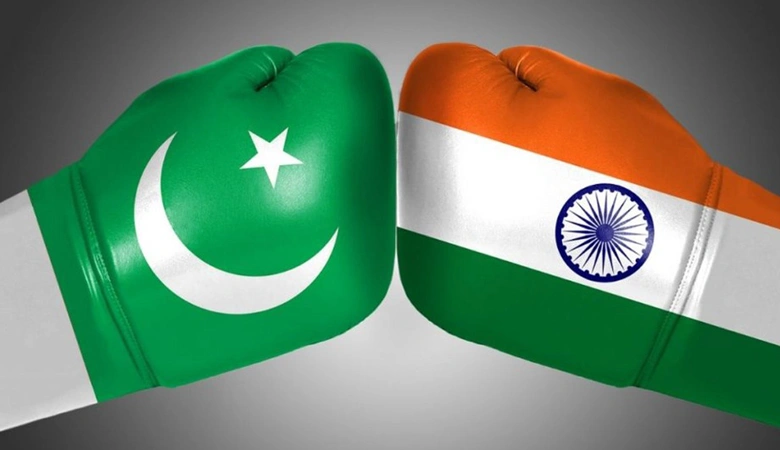

The Promise of Peace: When Dialogue Reemerged
There have been moments when the two rivals appeared ready to chart a new course. The Kartarpur Corridor, inaugurated in 2019, was hailed as a rare instance of cooperation. Backchannel communications reportedly resumed quietly, and even informal contact between military officials signaled an interest in restoring calm along the Line of Control. Earlier, initiatives like the Lahore Declaration of 1999 and the Agra Summit of 2001 briefly rekindled diplomatic hope. However, the pattern has always followed a familiar trajectory: talks begin, expectations rise, and then a disruptive event sends the process into reverse.
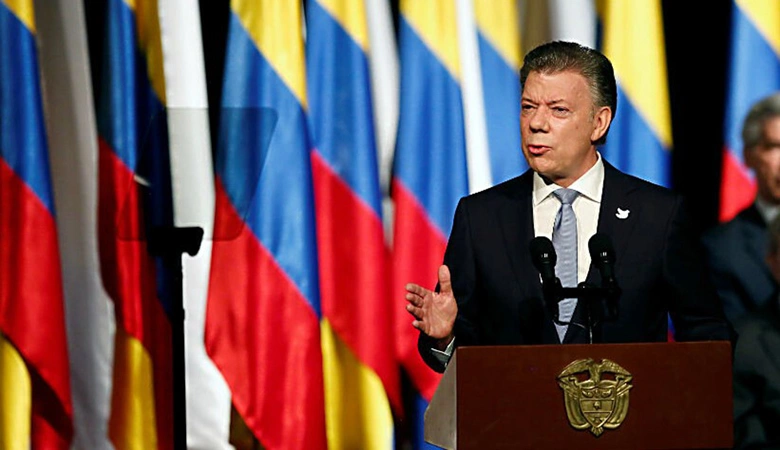
Flashpoints That Shattered Progress
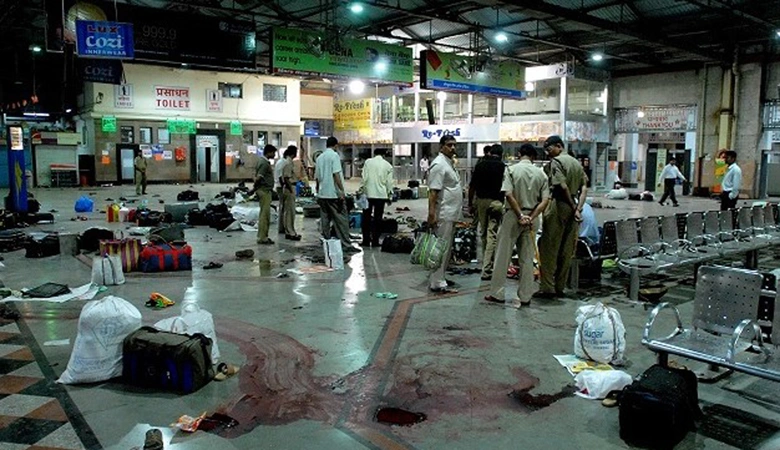
The most common disruptors of dialogue have been acts of cross-border violence or terrorist attacks. Events such as the 2001 Indian Parliament attack, the 2008 Mumbai attacks, and the 2016 Uri attack rapidly shifted the political mood from negotiation to confrontation. In each case, India accused Pakistan-based militant groups of orchestrating the violence, leading to a breakdown in talks and, in some instances, military retaliation. Most recently, the Pulwama attack in February 2019—claimed by the Pakistan-based group Jaish-e-Mohammed—brought bilateral relations to a dangerous low. India responded with airstrikes in Balakot, followed by aerial skirmishes, effectively shutting the door on diplomacy.
Domestic Politics and the Death of Dialogue
Internal political dynamics in both countries have also played a role in undermining diplomatic efforts. In India, peace overtures are often politically risky, with governments wary of appearing weak on national security. In Pakistan, the military’s significant influence over foreign policy—particularly regarding India—limits the civilian leadership's freedom to negotiate. Elections further complicate matters. Politicians on both sides have frequently used nationalism and anti-rival rhetoric to rally domestic support, making genuine diplomatic breakthroughs politically unpalatable.
Media Narratives and Public Sentiment
The media landscape in both countries has added fuel to the fire. News channels often amplify nationalist sentiment and reduce complex issues to aggressive soundbites. After major incidents, the media tends to demonize the other side, shaping public opinion in a way that makes compromise seem like capitulation. This polarization hardens attitudes and makes it harder for leaders to justify renewed engagement. Without public support, diplomacy becomes a lonely and politically expensive endeavor.

International Silence and Missed Opportunities
The global community has mostly taken a hands-off approach, urging restraint but avoiding deep involvement. While countries like the U.S. or organizations like the UN have occasionally offered to mediate, both India and Pakistan have shown limited interest in third-party intervention—India especially has maintained a firm stance on bilateralism. The absence of sustained international pressure or incentives for peace has allowed diplomatic windows to close quietly, without consequences for failure or rewards for progress.
The Human Toll of Failed Diplomacy
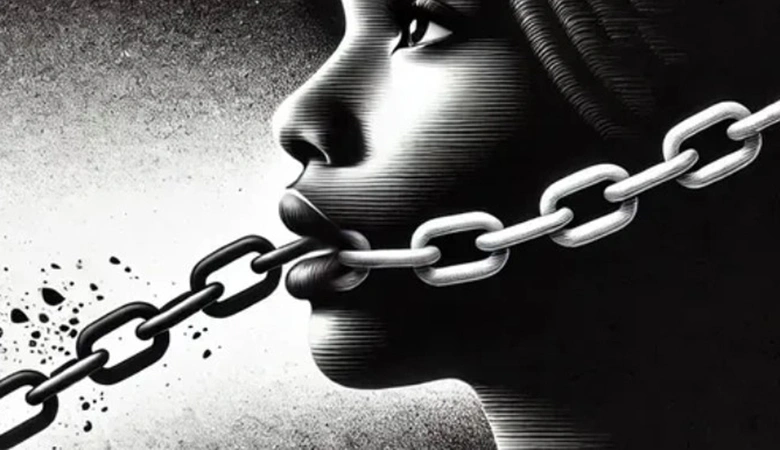
While governments play the blame game, civilians continue to pay the price. Border residents live in fear of sudden shelling. Families divided by conflict see no chance of reunification. Economies lose out on trade opportunities, and youth in both countries grow up in a culture of hostility rather than understanding. Kashmir, the epicenter of the dispute, remains militarized and politically paralyzed. The region’s people, caught in a geopolitical tug-of-war, suffer under cycles of violence and curfews, with little hope for peace.
The Way Forward: Rebuilding Trust Brick by Brick
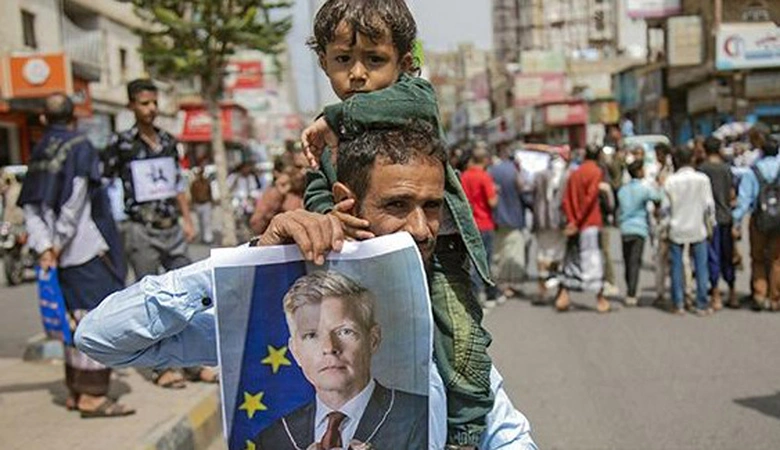
Diplomacy may have failed in the past, but it remains the only sustainable path to peace. Future efforts must go beyond high-level summits and include consistent backchannel dialogue, confidence-building measures, and a genuine commitment to de-escalation. Small steps—such as reopening trade routes, resuming people-to-people contacts, or reducing troop presence along sensitive borders—can slowly rebuild trust. Without such efforts, each breakdown in diplomacy only makes the next attempt harder.

Conclusion: Dialogue Interrupted, But Not Dead
The failure of diplomacy between India and Pakistan is not final—it is a pause, not an end. As long as both countries share borders, history, and the threat of mutual destruction, dialogue will remain not just desirable, but essential. But peace requires more than words. It needs political courage, public support, and a willingness to view each other not just as threats, but as neighbors with a shared future. Until then, talks will continue to turn into tensions—and the people of South Asia will continue to wait for peace that never fully arrives.