


Rome as a Global Pulpit
Though seated in Vatican City, the Pope speaks to all of humanity. His first homily, gestures, and chosen name carry powerful symbolism. These initial acts often set the tone for his pontificate. Whether addressing war, inequality, climate change, or the plight of migrants, the Pope's words resonate in parliaments, refugee camps, and households across continents. His ability to make Rome feel near to every corner of the world is part of the Church's enduring influence.

Uniting a Fragmented Faith
Across the globe, Catholicism is diverse—shaped by culture, language, and local history. The new Pope faces the challenge of unifying this varied body of believers under a shared mission. By emphasizing compassion, inclusivity, and dialogue, he can reconnect communities divided by ideology or wounded by controversy. His leadership may help reignite faith in regions experiencing spiritual fatigue while strengthening it in places where devotion remains strong but isolated.

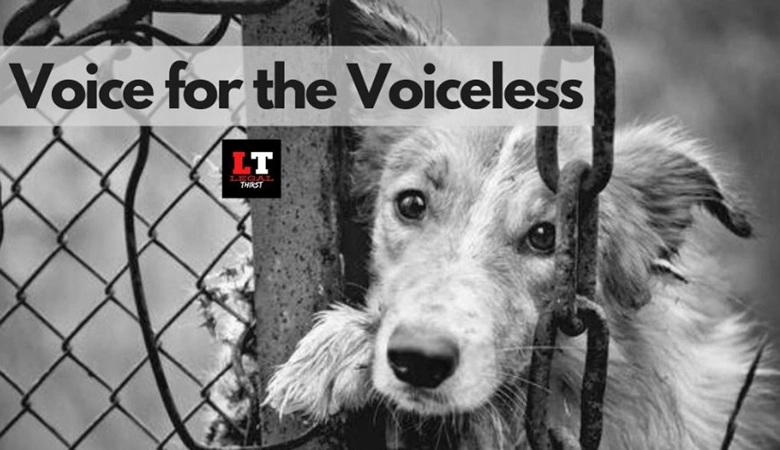
A Voice for the Voiceless
The moral authority of the papacy gives the Pope a unique platform to speak on behalf of those silenced or ignored. Whether advocating for indigenous peoples, displaced families, or victims of modern slavery, the Pope becomes an advocate without political ambition. His visits to conflict zones or impoverished nations are never just symbolic—they are reminders that the Church must walk with those on the margins. This radical empathy defines his global mission of renewal.
Leading by Example in a Modern Age
In a world skeptical of institutions, authenticity matters more than ever. The new Pope’s character—his humility, his openness, and his personal choices—can either reinforce or restore credibility. Rejecting extravagance, choosing simpler settings, or embracing those of different faiths sends a clear message: leadership is service, not dominance. These quiet decisions speak louder than decrees, inviting others to lead lives of simplicity, conscience, and compassion.

Reimagining the Church’s Role in the 21st Century
The global Church cannot remain static in a rapidly evolving world. The new Pope is called to rethink outdated structures, engage with youth, and respond to scientific and ethical dilemmas with clarity and courage. His ability to modernize without severing tradition is central to global renewal. From digital evangelization to interreligious diplomacy, he embodies a Church that listens, adapts, and acts.

Bridging Faiths and Cultures
In an era often marked by religious conflict, the Pope’s efforts toward interfaith dialogue carry significant weight. His gestures of solidarity with Muslims, Jews, Buddhists, Hindus, and even non-believers open channels of peace and mutual understanding. These bridges are vital not just for theological discourse but for healing the fractures in our shared global humanity.

The Ripple Effect of Papal Hope
When the Pope speaks, the world listens. But more importantly, when he inspires, the world moves. From nuns in Nigeria to activists in Brazil, from priests in Myanmar to schoolchildren in France, his words and example catalyze action. Schools are built, environmental efforts are mobilized, and broken communities begin to heal. This is the essence of papal renewal—not through commands, but through awakened conscience.

A Global Shepherd in Uncertain Times
In times of global turbulence—pandemics, wars, and moral crises—the Pope stands as a calm and consistent moral presence. His messages do not promise easy answers but offer something deeper: rooted hope. As a global shepherd, he guides not only Catholics but also a watching world that yearns for direction, meaning, and peace.

Conclusion: A Vatican Vision for a Renewed World
From Vatican balconies to digital screens around the world, the new Pope is more than a figurehead—he is a force for change. Through humility, courage, and vision, he leads the Church and the world toward a renewed sense of purpose. In this new chapter of the papacy, hope travels fast and far, breathing life into faith and transforming lives on a global scale.