

The Origins of the Conflict
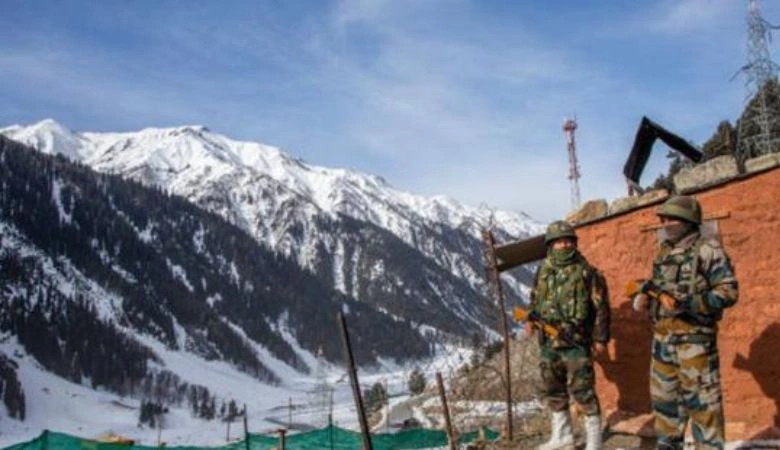
At the time of partition, princely states had the choice to join either India or Pakistan. Although Kashmir was a Muslim-majority region, its Hindu ruler, Maharaja Hari Singh, acceded to India in return for military support against an invasion by Pakistani tribal militias. This led to the First Indo-Pak War in 1947–48 and the eventual division of Kashmir along what became the Line of Control (LoC).
The United Nations intervened with a ceasefire and a promise of a plebiscite—a vote by the people of Kashmir to decide their future. That plebiscite never happened, leaving the conflict frozen but unresolved. Both India and Pakistan continue to claim Kashmir in full, but each controls only parts of the territory.
Wars That Failed to Resolve
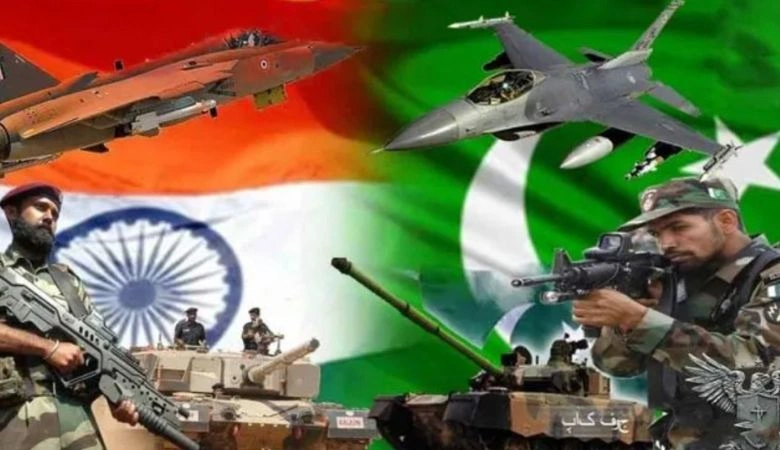
Kashmir has been the central trigger for multiple wars: 1947, 1965, 1999, and countless skirmishes in between. Each military episode ended in a ceasefire, but none delivered a political solution. Instead, the wars deepened mistrust and reinforced military posturing.
The 1999 Kargil War, in particular, highlighted how even nuclear deterrence cannot fully prevent conventional conflicts in Kashmir. Meanwhile, the people of the region continue to live under heavy militarization, with their lives dictated by security measures and cycles of unrest.
Nationalism and the Kashmir Narrative
In both countries, Kashmir has become more than a territorial claim—it is a nationalist emblem. In India, Kashmir represents sovereignty, unity, and secularism. In Pakistan, it symbolizes the unfinished agenda of partition and solidarity with a Muslim-majority population.
This emotional and political weight means that policy around Kashmir is often driven by domestic politics rather than diplomacy. Leaders in both countries have used Kashmir to rally support, marginalize opposition, and justify military expenditure. The result is a hardening of positions that makes compromise politically risky, even when strategically desirable.
The Revocation of Article 370: A Tipping Point
In August 2019, India revoked Article 370 of its constitution, which had granted Jammu and Kashmir special autonomy. This move was seen in Pakistan as a unilateral and provocative action that changed the status quo without consultation or consensus. It led to diplomatic downgrades, increased cross-border firing, and renewed international concern.
The revocation also intensified unrest in Kashmir itself. A communications blackout, mass detentions, and restrictions on civil liberties followed—fuelling further alienation among the region’s population. Far from calming the situation, the move has added another layer of complexity to an already volatile conflict.
Regional and Global Ramifications
Kashmir is no longer just a bilateral issue—it has global implications. The region lies between three nuclear-armed powers: India, Pakistan, and China. The China-Pakistan Economic Corridor (CPEC), which runs through parts of Pakistan-administered Kashmir, has made the conflict more entangled with China’s strategic interests.
Meanwhile, international actors, including the United States, Russia, and the United Nations, have often called for restraint but failed to drive a lasting solution. Most countries tread carefully, recognizing both India’s growing geopolitical clout and the potential for wider instability if the conflict escalates.
The Human Cost Behind the Headlines
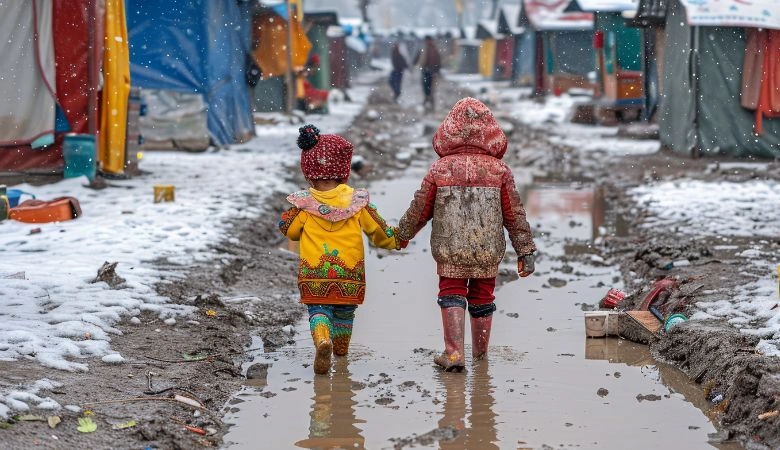
Amid diplomacy, doctrine, and deterrence, the human cost often goes overlooked. Generations of Kashmiris have grown up under the shadow of occupation, insurgency, and military lockdowns. Curfews, internet shutdowns, and security operations are part of everyday life. The mental health impact, economic stagnation, and educational disruptions are profound and ongoing.
Youth disenfranchisement, lack of political voice, and the rise of militant recruitment have only worsened the cycle of violence. The longer the political deadlock persists, the more the human toll accumulates.
A Path Forward: Diplomacy Over Dominance
There can be no military solution to the Kashmir dispute. While strong rhetoric may win votes and temporary control, it does not resolve the root causes of the conflict. What is needed is sustained dialogue, backed by political courage and international support for peace-building measures.
Confidence-building steps such as resumption of trade across the LoC, easing of travel restrictions, and joint humanitarian efforts could help rebuild trust. But none of this is possible without a genuine shift in the political will on both sides—a recognition that the costs of conflict outweigh the illusions of victory.
Conclusion: The Core Still Burns
Kashmir remains the unhealed scar of South Asia. Despite modern weapons, globalized economies, and international diplomacy, it continues to ignite passions, provoke wars, and endanger peace. As long as the people of Kashmir are treated as pawns in a larger political game, the region will remain a spark capable of igniting greater fires.
To change course, both India and Pakistan must look beyond historical grievances and current political gains—and toward a shared vision for regional peace. Until then, Kashmir will stay at the core—not just of their rivalry, but of their unfinished histories.