

From Authority to Approachability
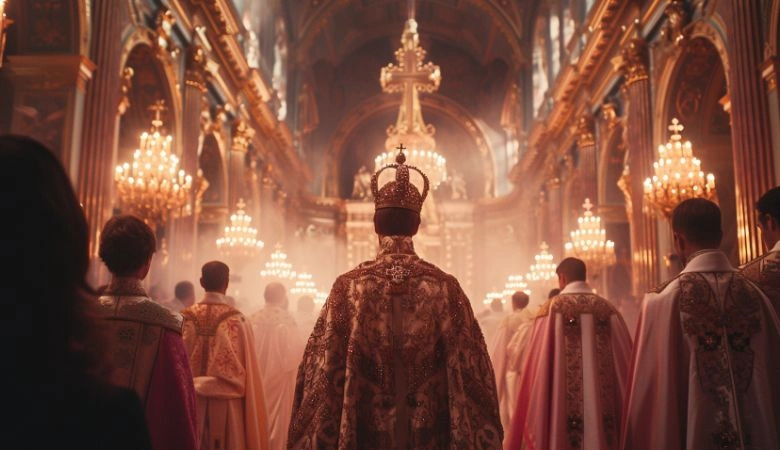
One of the most noticeable changes brought by this Pope is his deeply personal and approachable leadership style. He has traded grandeur for simplicity, choosing modest living quarters, using plain language in his addresses, and emphasizing personal connection over protocol. This break from traditional formality has made the papacy feel more accessible and relevant—especially to those who have felt alienated from religious structures.
Rather than standing above the faithful, he walks among them. His ability to connect with people not through power, but through presence, has restored a sense of spiritual intimacy.
Listening as Leadership
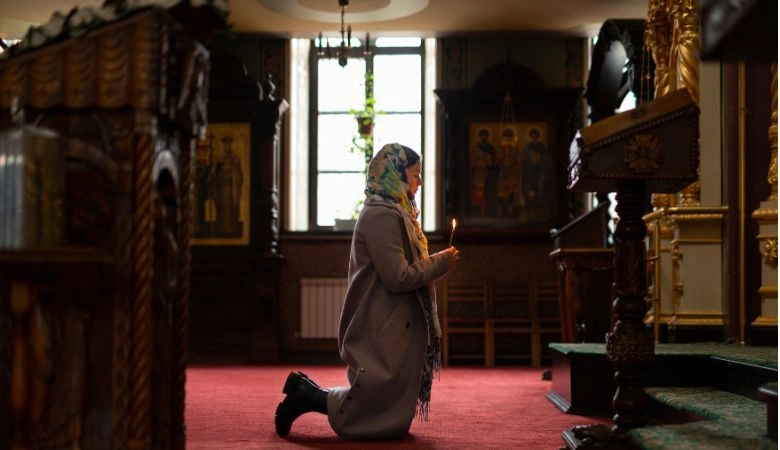
Unlike leaders who lead with decrees, this Pope leads by listening. He has opened spaces for dialogue within the Church—inviting voices from diverse backgrounds, cultures, and perspectives. He has encouraged young people, women, and lay communities to speak freely about their experiences with faith, modern life, and the future of the Church.
This collaborative spirit has turned passive observance into active participation. By making people feel heard, he has reignited engagement where silence once reigned.
Speaking to the Wounds of the World
This Pope has not shied away from the urgent and painful issues of our time. He has spoken courageously about the refugee crisis, poverty, racial injustice, climate change, and the moral failures within the Church itself. His leadership is not confined to spiritual matters alone—it extends to the ethical questions that shape our global conscience.
In doing so, he shows that faith must not be isolated from reality. Instead, it must become a living force that responds to suffering, fosters justice, and heals division.
A Renewed Focus on the Margins
Time and again, the Pope has turned his attention to the margins of society. Whether visiting impoverished neighborhoods, comforting the sick, or meeting with prisoners, his actions communicate a core message: that dignity belongs to all, especially the overlooked and forgotten.
He invites the Church to return to its roots—not as an institution of privilege, but as a sanctuary for the vulnerable. This renewed focus has not only revived the Church’s moral credibility but also inspired a more inclusive vision of community and care.
Reigniting Faith Through Simplicity
For many, especially younger generations, religious life can feel outdated or inaccessible. But this Pope’s quiet authenticity and humble witness have reignited curiosity—and in many cases, commitment. He presents faith not as dogma, but as a way of living with hope, meaning, and purpose.
By prioritizing relationship over rules and compassion over condemnation, he offers a faith that feels not only possible but deeply needed in today’s uncertain world.

A Spirit of Unity in a Time of Division
At a time when politics and religion often deepen divisions, the Pope’s message stands out: unity through mercy, not uniformity. He calls for cooperation between faiths, for peace between nations, and for reconciliation within fractured communities. His words and actions reflect a belief that the human family can rise above its differences to find common ground rooted in love.
This inclusive spirit has reawakened the idea that the Church can be a global voice of conscience, not just for Catholics but for all of humanity
Conclusion: A Papacy of the Heart
More than just a spiritual leader, the new Pope has become a symbol of the world’s longing for goodness. His papacy represents not only a new chapter in Church history but a revival of its soul. By choosing proximity over pomp, listening over lecturing, and mercy over judgment, he has become what many now call “a Pope for the people.”
In him, countless individuals—believers and skeptics alike—are discovering that faith can be compassionate, leadership can be humane, and hope can be renewed.