
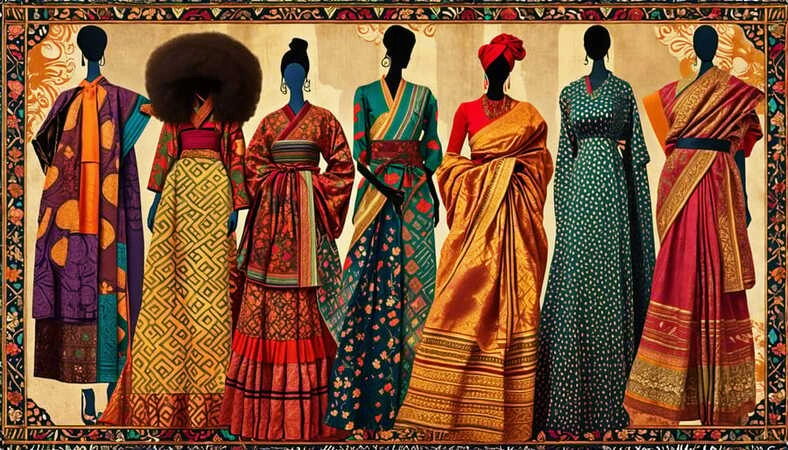

Cultural Symbols in Modern Fashion
Fashion has always been a visual language, telling stories beyond trends and textiles. Today, cultural symbols are making a powerful statement in modern fashion, weaving heritage, identity, and artistry into every stitch. From runways to streetwear, let’s explore how these meaningful motifs are influencing what we wear and how we connect to the world around us.
Step 1: The Origins of Symbolic Fashion
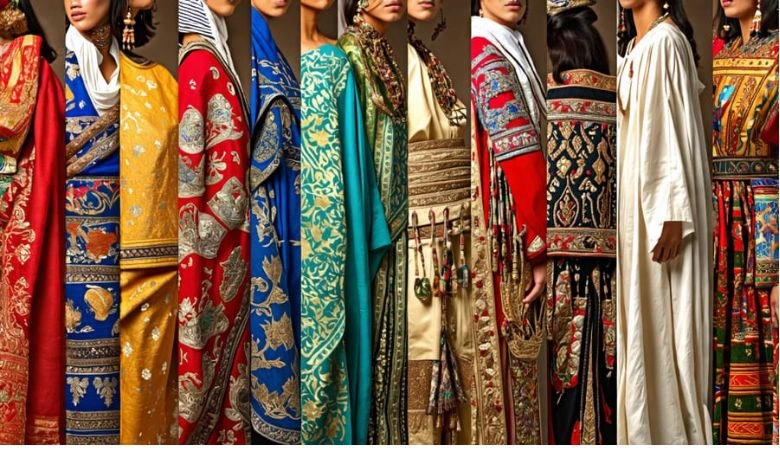
Cultural symbols in fashion are nothing new. For centuries, communities worldwide have used motifs, patterns, and colors to represent beliefs, status, or origins. Think of the intricate embroidery of Eastern Europe, African tribal prints, or the regal silks of East Asia. These designs carry deep meaning, passed down through generations.
Step 2: Reviving Tradition in Contemporary Design
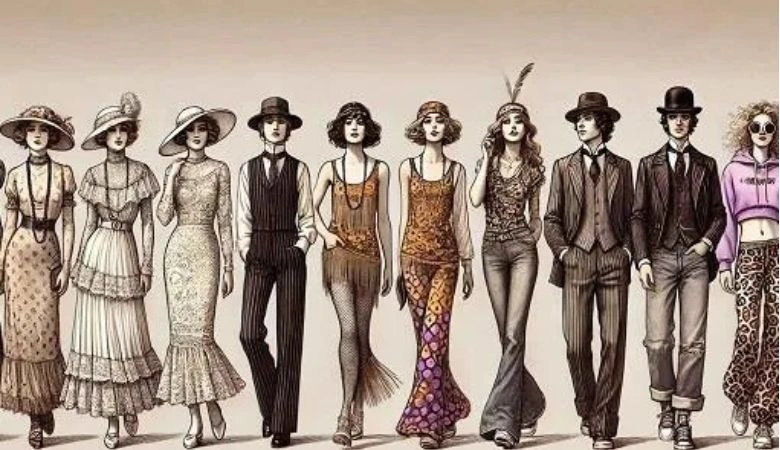
Modern designers are increasingly turning to these traditional elements for inspiration. Rather than simply replicating, they reinterpret cultural motifs in fresh ways. This revival not only keeps cultural heritage alive but also makes it accessible to new audiences who may not be familiar with the origins.
Step 3: A Platform for Storytelling
Cultural symbols transform clothing into a canvas for storytelling. A jacket adorned with Japanese cranes, for instance, signifies longevity and good fortune, while indigenous beadwork might narrate tales of community and resilience. Wearing such pieces allows both designers and wearers to honor their stories and spark meaningful conversations.
Step 4: Globalization and the Fusion of Cultures
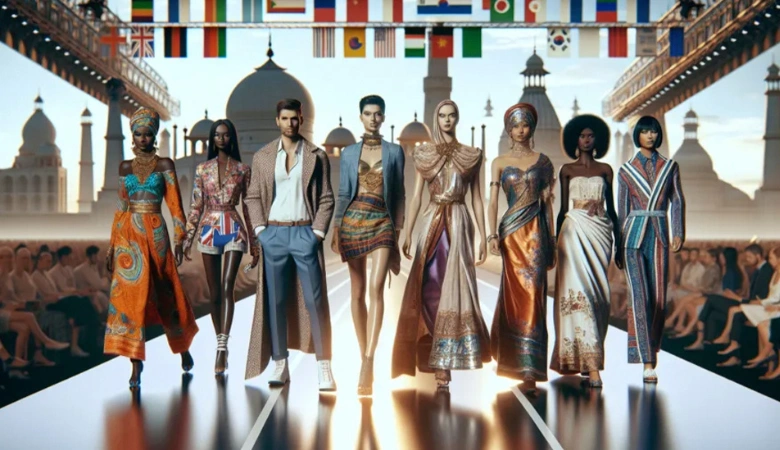
In today’s interconnected world, fashion effortlessly blends symbols from diverse cultures. Designers create collections that merge elements from Africa, Asia, Europe, and the Americas, reflecting our global society. This fusion celebrates unity but also calls for respect and understanding of the origins behind each symbol.
Step 5: The Fine Line Between Appreciation and Appropriation
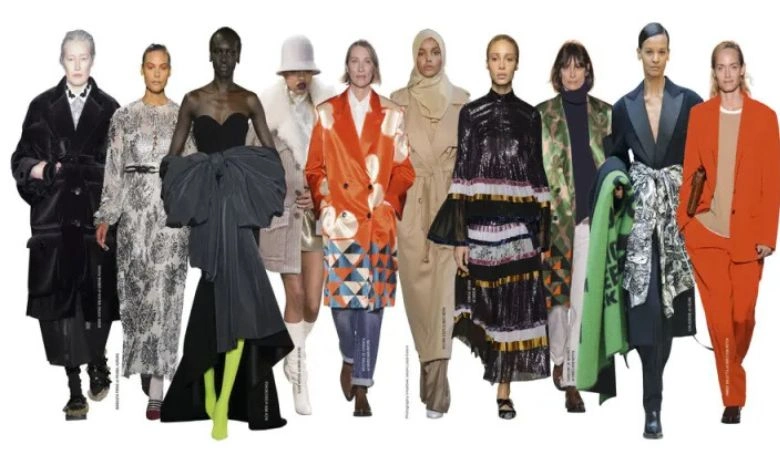
With cultural symbols gaining popularity, the risk of cultural appropriation rises. Responsible fashion involves respecting the significance of these motifs, crediting their origins, and collaborating with artisans from the respective cultures. Thoughtful representation ensures that fashion uplifts rather than exploits heritage.
Step 6: Celebrity Influence on Cultural Symbolism
Celebrities and influencers often play a major role in spotlighting cultural fashion. When stars wear garments featuring cultural symbols at global events, it raises visibility and sparks curiosity about their meanings. However, their choices can either positively promote cultural pride or, if handled carelessly, lead to backlash.
Step 7: Empowering Communities Through Craftsmanship
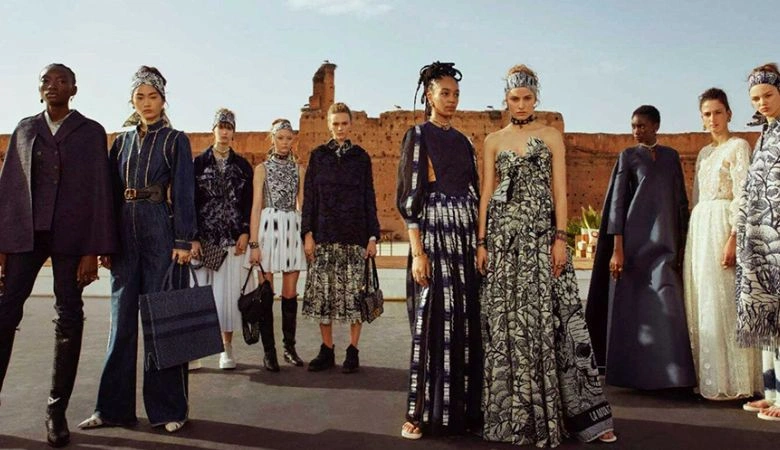
Many designers work directly with traditional artisans to incorporate authentic craftsmanship into modern designs. This collaboration not only ensures accuracy but also provides economic empowerment to the communities preserving these cultural practices.
Step 8: Sustainability and Cultural Preservation
Embracing cultural symbols often goes hand-in-hand with sustainable fashion. Many traditional methods use natural dyes, hand-weaving, and slow fashion principles. By valuing these techniques, the fashion industry supports eco-friendly practices and the preservation of cultural knowledge.
Step 9: Cultural Symbols as Personal Identity Markers
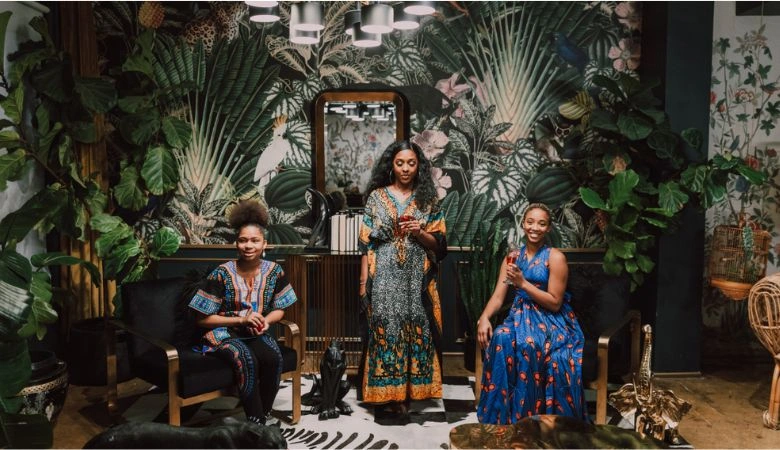
For many individuals, wearing culturally significant fashion is a way to celebrate their roots and express personal identity. Whether it’s a Scottish tartan scarf or a sari-inspired dress, these choices create a powerful connection between personal style and cultural heritage.
Step 10: The Future of Cultural Symbolism in Fashion
As the fashion world becomes more inclusive, expect to see even greater emphasis on meaningful design. Emerging designers from diverse backgrounds are redefining what it means to blend heritage with innovation, ensuring that cultural symbols continue to thrive in the spotlight.
Final Thoughts
Cultural symbols in modern fashion go beyond aesthetic appeal; they represent stories, identities, and histories. When embraced with respect and understanding, they enrich the fashion landscape and build bridges across cultures. As we step into the future, let’s celebrate the beauty of wearing meaning on our sleeves—quite literally.