
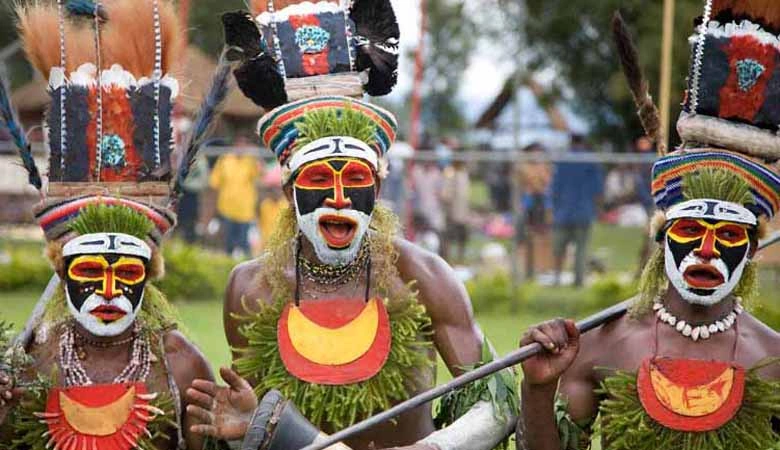

The Japanese Philosophy of Minimalist Beauty
In Japan, beauty is deeply tied to the concept of wabi-sabi, the appreciation of natural simplicity and imperfection. Skincare routines often focus on purity and hydration, with practices like double cleansing and gentle exfoliation rooted in tradition. Ingredients such as rice water and green tea are cherished for their soothing properties. Beyond skincare, Japanese beauty embraces a minimalist makeup aesthetic, celebrating natural features with subtle enhancements.

India's Holistic Approach to Radiance
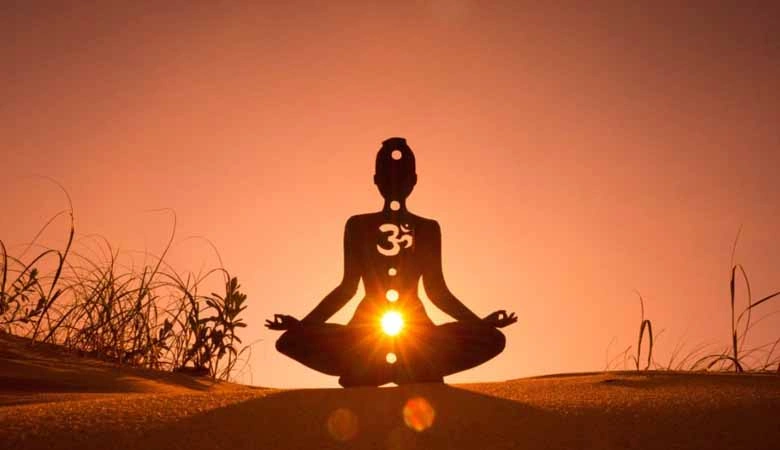
Indian beauty rituals have always emphasized a holistic connection between inner wellness and outer glow. Ayurvedic practices play a central role, with treatments that balance the body’s energies using herbs, oils, and spices. Turmeric masks, known for their brightening and anti-inflammatory properties, are a staple in bridal ceremonies. Haircare rituals like oiling with coconut or amla oil are passed down through generations, nurturing both the scalp and spirit.
The Timeless Beauty of the Middle East
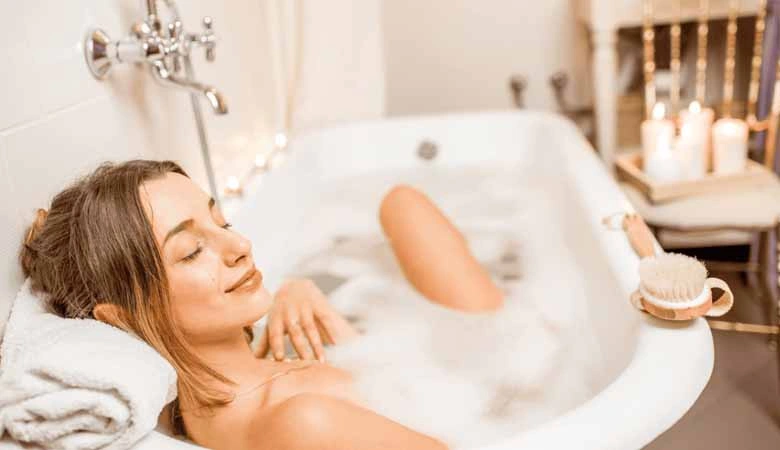
Middle Eastern beauty traditions are rich with luxurious, natural ingredients. For centuries, women have used hammam baths for deep cleansing and relaxation, followed by exfoliation with black soap and kessa mitts. Argan oil, often called “liquid gold,” is prized for nourishing skin and hair. Kohl eyeliner, with its bold and defining lines, is not only a cosmetic staple but also carries cultural significance, believed to protect against the evil eye.

African Beauty: A Celebration of Nature
Across the diverse cultures of Africa, beauty rituals often honor the natural environment. Shea butter, sourced from the nuts of the shea tree, is a treasured moisturizer. In East Africa, qasil powder — made from ground leaves — is used as a gentle facial cleanser and mask. Intricate hairstyles, adorned with beads and cowrie shells, are more than just adornments; they tell stories of heritage, status, and community belonging.

France’s Effortless Elegance
French beauty is famously effortless, focusing on glowing skin and understated makeup. Rather than masking imperfections, the French embrace a natural look that radiates health and vitality. Skincare is paramount, with multi-step routines featuring micellar water, thermal spring sprays, and lightweight serums. Beauty, in the French philosophy, is about caring for yourself daily, indulging in simple pleasures like a gentle facial massage or a spritz of fragrance.
The Ritual of Self-Care in Korea
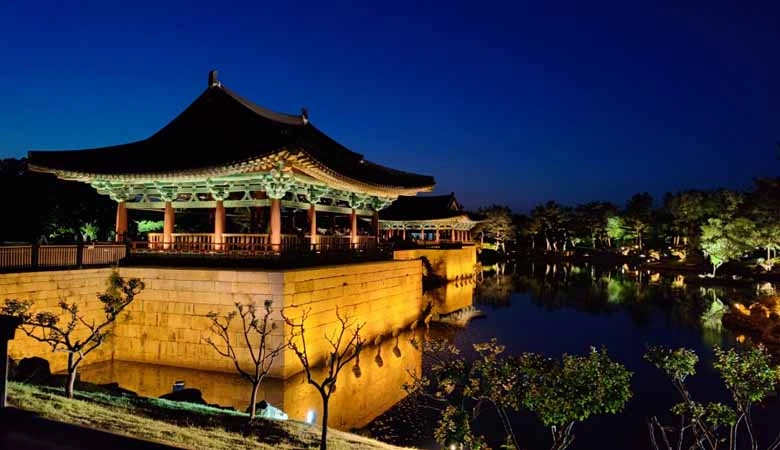
Korean beauty, or K-beauty, has gained global admiration for its innovative and meticulous routines. Yet at its heart, it remains a cultural ritual of self-care and respect for one’s skin. Multi-layered hydration, nourishing essences, and sheet masks are standard practices aimed at achieving the coveted "glass skin." These rituals extend beyond vanity, representing a meditative moment of relaxation and care.
South America’s Botanical Wisdom
In South America, beauty rituals draw heavily from the region’s rich biodiversity. Amazonian oils, like pracaxi and maracuja, are celebrated for their restorative properties. Indigenous communities have long used clay masks to detoxify and refresh the skin. Hair treatments infused with exotic fruits and plant extracts maintain shine and strength, all while honoring the natural abundance of their environment.

Conclusion
Beauty rituals around the world tell stories of culture, connection, and care. They remind us that beauty is not a one-size-fits-all concept but a vibrant tapestry woven from history, tradition, and nature. As we learn from these diverse practices, we’re inspired to see beauty not just as an external pursuit, but as a deeply personal, cultural, and holistic experience. Embracing global beauty wisdom enriches our own rituals and brings us closer to understanding the universal language of self-love.