

Recovery and Muscle Growth
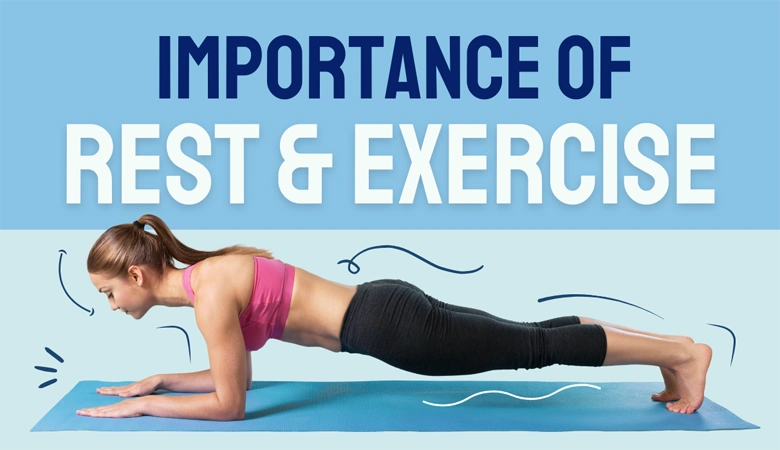
Exercise, especially strength training, causes microscopic tears in muscle fibers. During rest, your body repairs these tears, resulting in stronger and more resilient muscles. Without sufficient rest, the repair process is incomplete, which can lead to fatigue, decreased performance, and even injury over time.

Preventing Overtraining
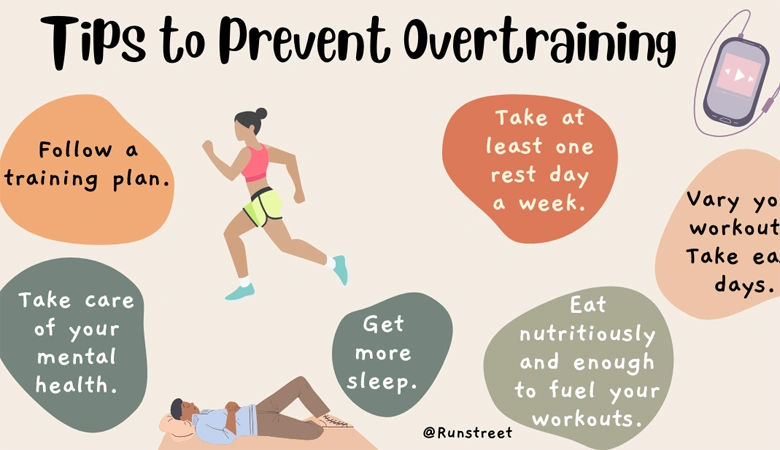
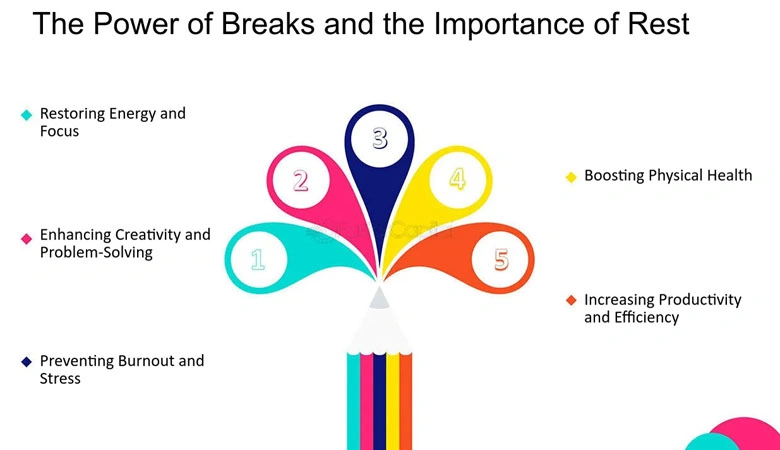
Overtraining occurs when your body doesn’t have enough time to recover between workouts. This can lead to symptoms such as persistent soreness, irritability, decreased performance, and increased susceptibility to illness. Incorporating rest days into your schedule ensures that your body has time to recuperate, preventing burnout and maintaining long-term progress.
Enhancing Performance
Rest days give your muscles, joints, and nervous system the chance to recharge. This recovery period not only restores physical energy but also helps improve focus and motivation. When you return to your workouts, you’re likely to perform better, lift heavier, and train harder.

Supporting Mental Health
Physical activity has numerous mental health benefits, but too much can lead to mental fatigue. Taking time to rest helps reduce stress, improve sleep quality, and promote overall mental well-being. It also provides an opportunity to reassess your fitness goals and reconnect with your motivations.
Active Rest vs. Full Rest
Rest doesn’t always mean complete inactivity. Active rest—light activities like walking, yoga, or stretching—can promote blood flow, reduce stiffness, and speed up recovery without putting undue strain on your body. Full rest days, on the other hand, are crucial when your body feels particularly fatigued or after intense training sessions.
Tips for Integrating Rest Into Your Routine
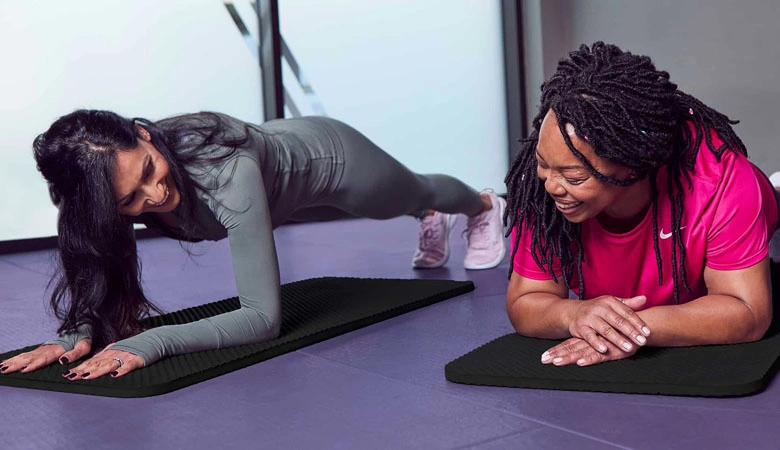
• Listen to your body. Pay attention to signs of fatigue or soreness and adjust your schedule accordingly.
• Plan rest days strategically. Aim for at least one or two rest days per week, depending on your fitness level and workout intensity.
• Prioritize sleep. Quality sleep is one of the most effective forms of recovery, as it’s when your body performs most of its repair work.
Conclusion
Rest is not a sign of weakness or a hindrance to progress—it’s an integral part of a successful fitness journey. By prioritizing rest alongside your workouts, you’ll not only avoid injuries but also enhance your performance, mental health, and overall well-being. Balance is key to achieving sustainable fitness results.